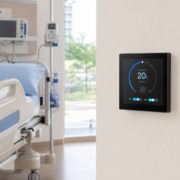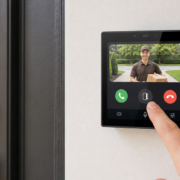
Can the Display Size of an ESP32 Control Panel Be Customized?
Is it possible to customize the display size of an ESP32 control panel? The answer is affirmative. ESP32-based smart control panels offer flexible display options and are extensively deployed across smart homes, hotel automation, building control, industrial IoT, and human-machine interface applications. Different use cases necessitate varying screen dimensions and display characteristics.
Manufacturers can tailor ESP32 control panels by modifying the display module, touch panel, PCB architecture, and firmware interface to produce solutions ranging from compact wall-mounted switches to expansive smart home terminals.
What display size options are available for ESP32 control panels?
ESP32 control panels can incorporate various touchscreen dimensions:
Compact Touch Panels (2.4–4 inches)
Ideal applications:
- Intelligent wall switches
- Room management controllers
- Sensor information displays
- Basic IoT control interfaces
Key benefits:
- Minimal physical footprint
- Reduced energy requirements
- Convenient wall mounting capability
Common use cases:
- Illumination management
- Climate adjustment
- Blind operation
Standard Touch Panels (5–7 inches)
Ideal applications:
- Intelligent home control systems
- Hospitality room management
- Commercial workspace control solutions
Key benefits:
- Enhanced user interaction
- Increased interface design area
- Compatibility with sophisticated LVGL graphical interfaces
Typical operational features:
- Heating, ventilation, and air conditioning regulation
- Illumination configuration
- Surveillance monitoring
- Connected device operation
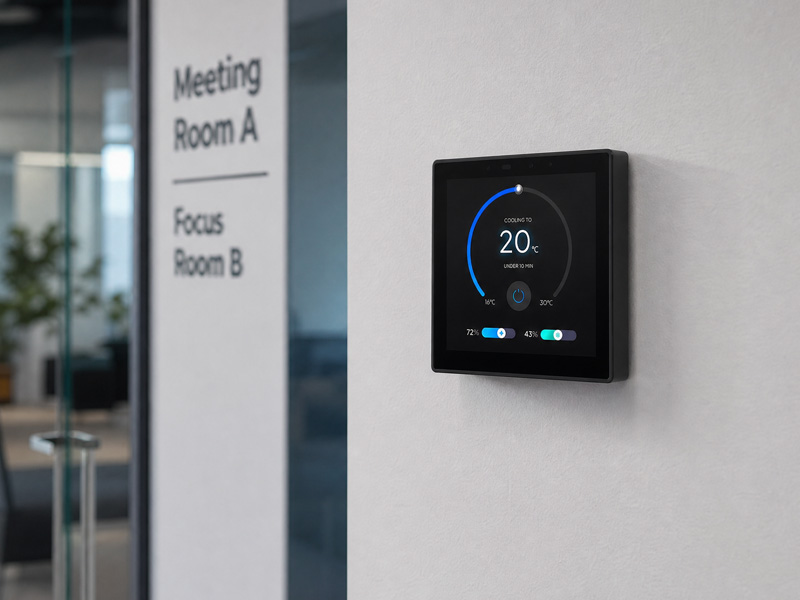
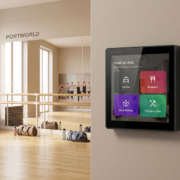
smart home control panel
Large-Scale Touch Panels (8–10 inches and larger)
Ideal applications:
- Intelligent building administration
- Enterprise-level automation
- Sophisticated human-machine interface systems
Key benefits:
- Expansive information presentation
- Comprehensive multi-purpose control interface
- Enhanced data visualization capabilities
Common implementations:
- Centralized building management facilities
- Conference room control systems
- Power consumption optimization platforms
Which Components Require Customization?
Modifying the display dimensions extends beyond mere screen replacement. Numerous hardware and software components necessitate corresponding modifications.
1. LCD Display Module
The display can be tailored according to:
- Screen dimensions
- Display resolution
- Connection interface type
- Light output intensity
- Visual perspective range
Standard technical characteristics:
- IPS technology display
- Capacitive touch interface
- Enhanced brightness capability
- Expansive viewing angle coverage
Examples:
| Size | Common Resolution |
|---|---|
| 4 inch | 480×480 |
| 5 inch | 800×480 |
| 7 inch | 1024×600 |
| 10 inch | 1280×800 |
2. Touchscreen Configuration
Various display dimensions necessitate distinct touch interface solutions.
Available customization features:
- Capacitive touch panel technology
- Multi-touch capability support
- Touch controller selection and configuration
- Gesture function implementation
Standard touch operations:
- Single tap interaction
- Horizontal swipe movements (left and right)
- Vertical slide movements (up and down)
- Pinch-based zoom functionality
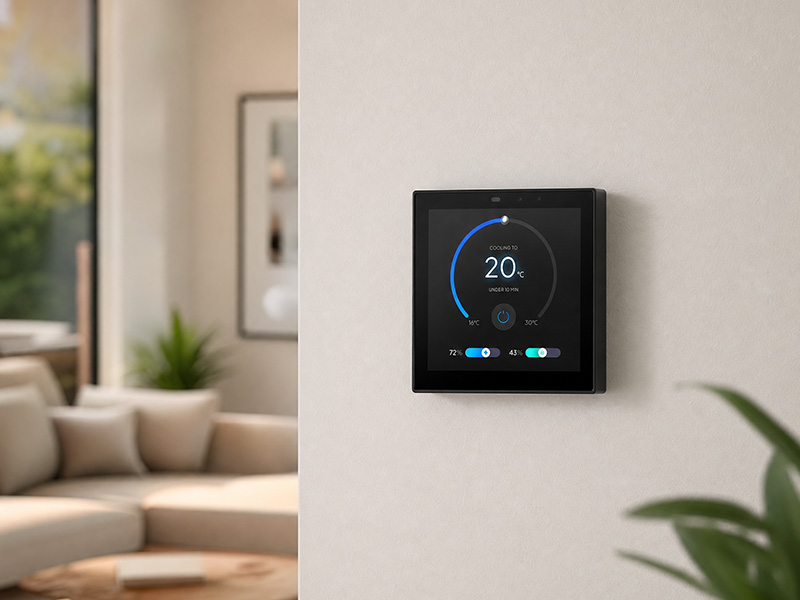
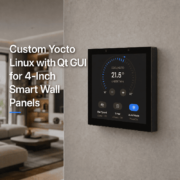
smart home control panel
3. ESP32 Hardware Design
The printed circuit board assembly may require modifications based on specific display specifications.
Larger display implementations may necessitate:
- Expanded memory capacity
- Enhanced display interface speed
- Supplementary PSRAM installation
- Refined power management architecture
Illustrative scenario:
A compact 3.5-inch display panel may function adequately with a standard ESP32 configuration, whereas a 7-inch graphical user interface would benefit substantially from an ESP32-S3 equipped with PSRAM to ensure optimal user interface responsiveness.
4. UI and Firmware Customization
When display dimensions are modified, the software user interface requires corresponding customization adjustments.
Firmware development professionals can configure:
- Display layout structure
- Graphical icon elements
- Interactive button components
- Visual animation effects
- Control panel design
Utilizing frameworks such as LVGL, development teams can establish tailored interfaces optimized for various screen dimensions.
Illustrative example:
4-inch Panel User Interface
- Temperature measurement display
- Illumination control buttons
- Window covering management
7-inch Panel User Interface
- Comprehensive residential automation dashboard
- Multi-room control functionality
- Power consumption monitoring system
Can an ESP32 Control Panel Support Multiple Applications?
Yes. Various display dimensions can be tailored to suit specific operational contexts.
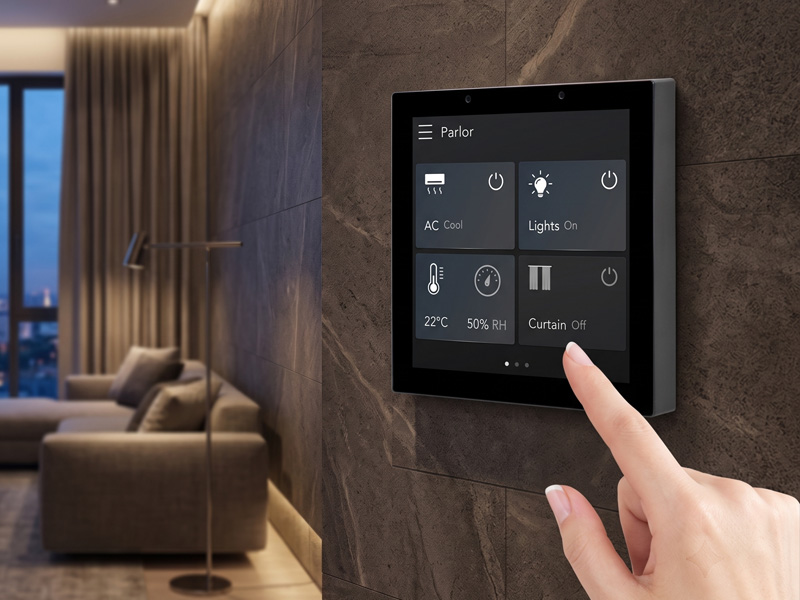
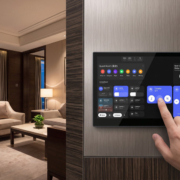
Smart Home Touch Control Panel
Smart Home
Capabilities:
- Illumination control
- Climate regulation systems
- Window coverings
- Access control systems
Optimal display dimensions:
- 4–7 inch
Hotel Room Automation
Capabilities:
- Occupant environment management
- Climate modulation
- Ambient lighting configurations
Optimal display dimensions:
- 4–8 inch
Smart Building Automation
Capabilities:
- Climate system oversight
- Power consumption optimization
- Facility equipment management
Optimal display dimensions:
- 7–10 inch
Portworld ESP32 Smart Control Panel Customization
Portworld delivers comprehensive OEM/ODM customization services tailored for ESP32 smart touch panels.
The YC-SM43P ESP32-S3 Smart Touch Panel is engineered to be customized according to the specific requirements of various automation projects.
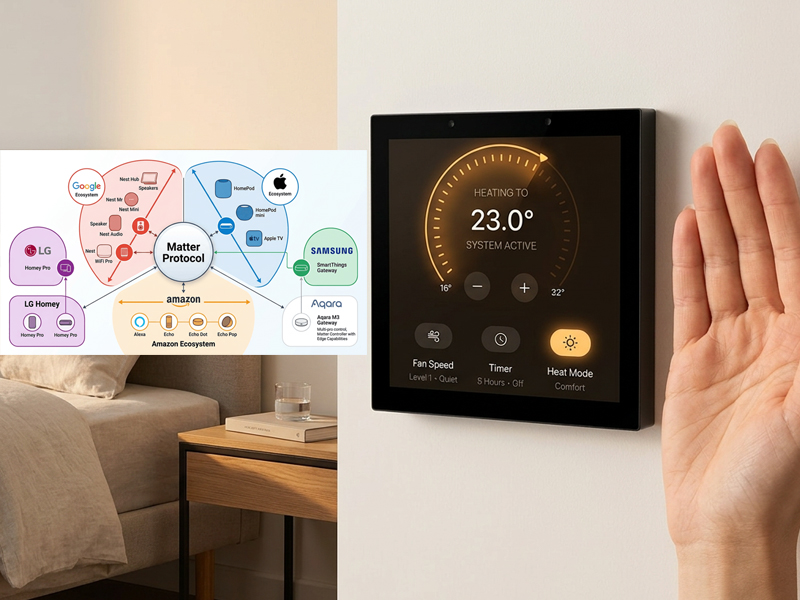
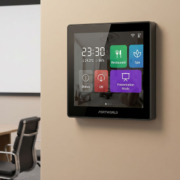
smart home control panel
Available customization options encompass:
Display
- Multiple screen size selections
- Various resolution configurations
- Touchscreen interface customization
Hardware
- ESP32-S3 microprocessor
- WiFi and Bluetooth connectivity
- RS485 serial communication
- Ethernet connectivity alternatives
Software
- Proprietary firmware development
- LVGL graphical interface creation
- MQTT protocol integration
- Integration with smart home communication standards
Mechanical Design
- Bespoke enclosure solutions
- Custom wall-mounted installation hardware
- Branded logo application
- Tailored packaging solutions
Advantages of Selecting Custom Display Dimensions
Optimizing the display size selection facilitates enhancement of:
- End-user experience quality
- Available installation area utilization
- Overall product aesthetic appeal
- Production cost efficiency
- System operational performance
A space-efficient compact panel proves optimal for individual room management applications, whereas an expanded touchscreen interface delivers superior visual clarity for sophisticated automation control systems.
The display size of an ESP32 control panel can be fully customized based on project requirements. From small 3–4 inch wall-mounted controllers to larger 7–10 inch smart automation terminals, manufacturers can adjust the display, touchscreen, PCBA, firmware, and enclosure design.