What does an industrial touch screen monitor OEM factory offer
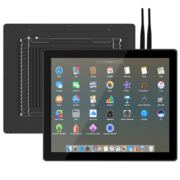
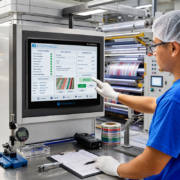
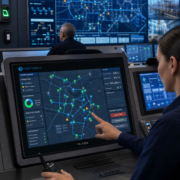
An industrial touch screen monitor original equipment manufacturer (OEM) factory delivers comprehensive solutions that extend well beyond conventional display technology. The facility enables organizations to engineer, tailor, and produce touch screen monitors specifically designed to satisfy the technical specifications, environmental conditions, and installation parameters required by particular industrial applications.
For equipment manufacturers, system integrators, and commercial project providers, partnering with an OEM factory facilitates the modification of display systems to align with the final product specifications, thereby eliminating the necessity to reconfigure equipment around commercially available monitors.
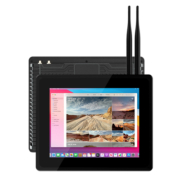
Hardware customization represents a principal service offering. Contingent upon project requirements, an OEM manufacturer can deliver diverse screen dimensions, resolution capabilities, luminosity specifications, touch interface technologies, structural materials, and mounting configurations. Connectivity specifications can similarly be customized, encompassing HDMI, USB, VGA, serial interfaces, and supplementary connections essential for integrating the monitor with industrial control systems, embedded computing platforms, or pre-existing infrastructure.
Mechanical engineering holds equivalent significance. Industrial touch screen monitors frequently require integration into control enclosures, equipment panels, interactive kiosks, or machinery housings. An OEM factory can modify physical dimensions, frame design, housing architecture, attachment mechanisms, and protective front-panel elements to accommodate the specific installation context. For applications subjected to particulate contamination, moisture exposure, mechanical stress, or intensive operational cycles, the manufacturer should facilitate the establishment of appropriate protective measures and resilience criteria aligned with genuine operational circumstances.
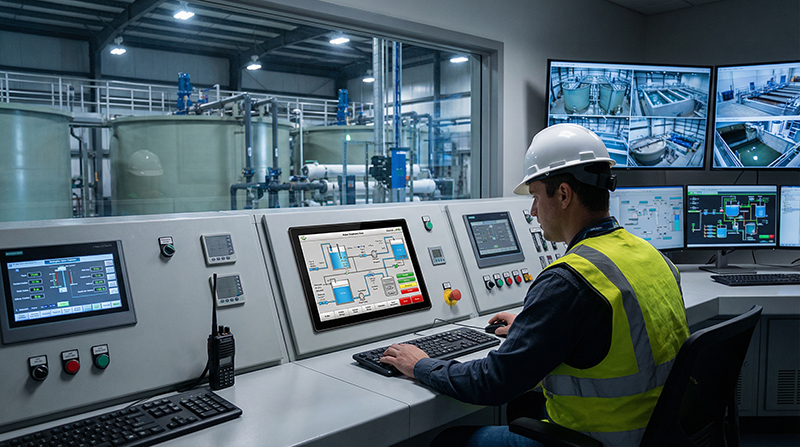
industrial touch screen monitor
An OEM factory may also offer touch screen and display configuration. Project requirements can determine whether a monitor uses projected capacitive (PCAP) touch or resistive touch, as well as the appropriate display brightness, viewing angle, and cover glass. For equipment installed in bright factories or used with gloves, these choices can directly affect usability.
Beyond hardware, some manufacturers provide integration and software support. This can include compatibility testing with Windows, Linux, Ubuntu, Android, or embedded platforms; driver support; interface verification; and collaboration on embedded motherboard integration. When a project requires a complete touch panel PC rather than a monitor alone, the OEM partner may also supply the computing platform, operating system configuration, and application integration.
OEM manufacturing also covers production and quality control. Customers developing a new industrial product may begin with engineering samples, validate the design, and then move to pilot production and bulk orders. A capable factory should have a defined process for sample approval, incoming material inspection, assembly testing, touch performance checks, and final inspection. Consistent components and controlled production processes are particularly important when the same display must be supplied across multiple production batches.
Organizations procuring customized displays in substantial quantities must consider sustained supply chain management and comprehensive engineering assistance as critical factors. An appropriate OEM partner should demonstrate the capability to communicate component modifications, coordinate production timelines, furnish technical specifications, and identify suitable alternatives when component availability becomes constrained.
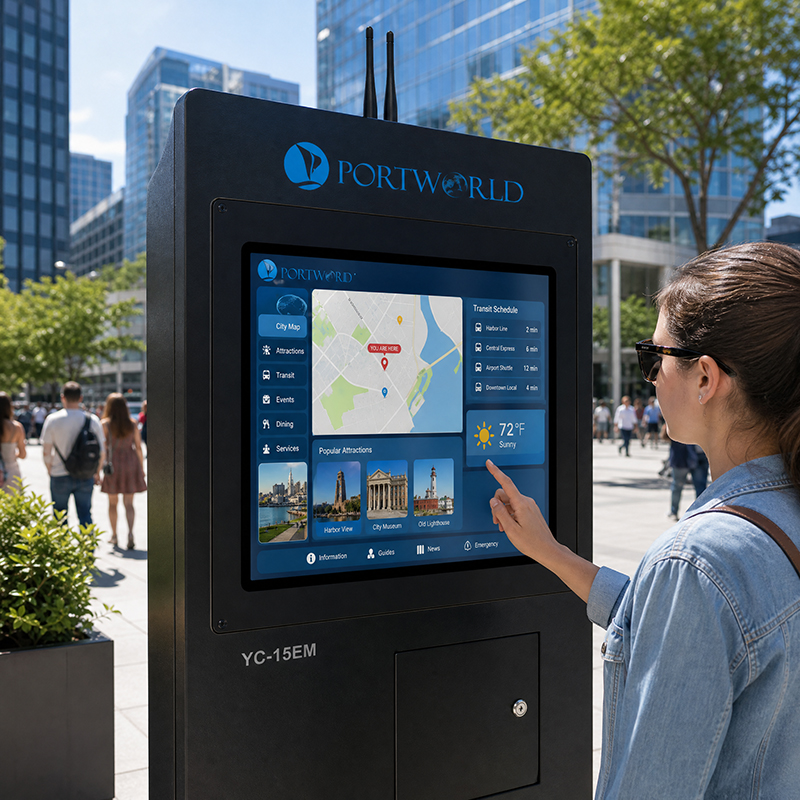
industrial touch screen monitor6
For instance, Portworld specializes in industrial touch displays and touch panel PC solutions available in various dimensions, featuring customizable user interfaces, housing designs, hardware specifications, and operating system options. The company’s OEM/ODM capabilities enable support for initiatives requiring either standard displays with tailored modifications or more sophisticated integrated industrial touchscreen systems.
Ultimately, a reputable industrial touch screen monitor OEM manufacturer should facilitate alignment between display hardware capabilities and the operational demands of end-use equipment. Prior to engaging a supplier, organizations should establish comprehensive specifications delineating display dimensions, touch technology methodology, connectivity options, installation parameters, environmental operating conditions, host system requirements, anticipated order quantities, and projected operational lifespan. This detailed specification framework enables more accurate assessment of technical viability, prototype performance, manufacturing expenses, and sustained supply chain reliability.