How to Customize a Compute Module for Your Embedded Product
Tailoring a compute module represents a strategic approach to developing embedded products that deliver the appropriate processing capability, memory resources, connectivity options, and operating system compatibility. Rather than constructing an entire computing platform independently, organizations can leverage a system-on-module (SOM) as their foundational computing element and adapt the peripheral hardware infrastructure to satisfy particular application specifications.
For manufacturers producing smart home control panels, industrial control systems, IoT gateways, smart displays, robotics, and edge computing devices, selecting an appropriate compute module constitutes a critical decision in establishing a dependable and expandable product.
This guide outlines the methodology for tailoring a compute module to your embedded product requirements, identifies the pertinent hardware and software considerations, and describes how a qualified embedded hardware manufacturer can facilitate the development initiative.
Understanding Compute Modules
A compute module is a miniaturized computing board that consolidates essential components including a processor, memory, and storage connectivity mechanisms. It is ordinarily engineered to interface with a carrier board, which furnishes external communication capabilities, electrical power distribution, display connectivity, and supplementary application-oriented capabilities.
In comparison to developing a comprehensive computing board from inception, employing a compute module can streamline hardware development efforts and facilitate a more compartmentalized methodology to product architecture.
A customized compute module implementation may encompass multiple dimensions:
- Processor selection: Identifying a computing architecture that aligns with the application’s performance specifications.
- Memory and storage: Establishing RAM and eMMC specifications in accordance with application software and information requirements.
- Carrier board design: Incorporating the connectivity mechanisms necessary for the intended product.
- Operating system adaptation: Determining and configuring Android or an alternative supported Linux variant.
- Hardware and software integration: Validating the integrated system within its operational context.
The specific customization possibilities are contingent upon the compute module specifications, processor architecture, and particular project parameters.
Step 1: Establish Your Embedded Product Requirements
Prior to selecting a compute module, establish the product’s operational purpose, environmental context, and anticipated manufacturing scale.
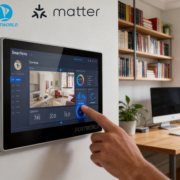
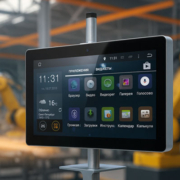
Distinct applications demand distinct computational capabilities. A smart home control panel may emphasize display integration, connectivity infrastructure, and dependable performance. An industrial gateway may necessitate numerous communication protocols, whereas an edge computing platform may demand heightened processing resources for visual recognition or machine learning applications.
Address the following considerations:
- What functionality will the embedded product deliver?
- Which operating system and software solutions will it execute?
- What RAM capacity and storage volume does the initiative necessitate?
- Which interfaces, input devices, imaging systems, and peripheral equipment require integration?
- Does the product demand Ethernet, wireless networking, Bluetooth connectivity, or asynchronous communication?
- What specifications exist regarding energy consumption, physical dimensions, heat dissipation, and operational conditions?
- Will the initiative require prototype development, limited production testing, or full-scale manufacturing?
Establishing these specifications comprehensively mitigates the necessity for substantial hardware modifications throughout subsequent development phases.
PortPi 3A
Single Board Computer
Step 2: Selecting an Appropriate Processor Platform
The processor serves as a fundamental component that substantially influences a compute module’s computational capacity, graphical rendering performance, peripheral compatibility, and software interoperability.
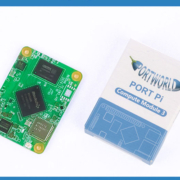
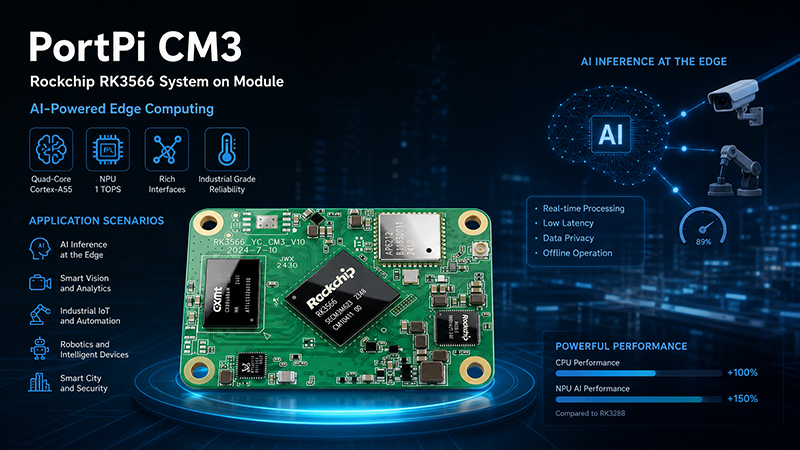
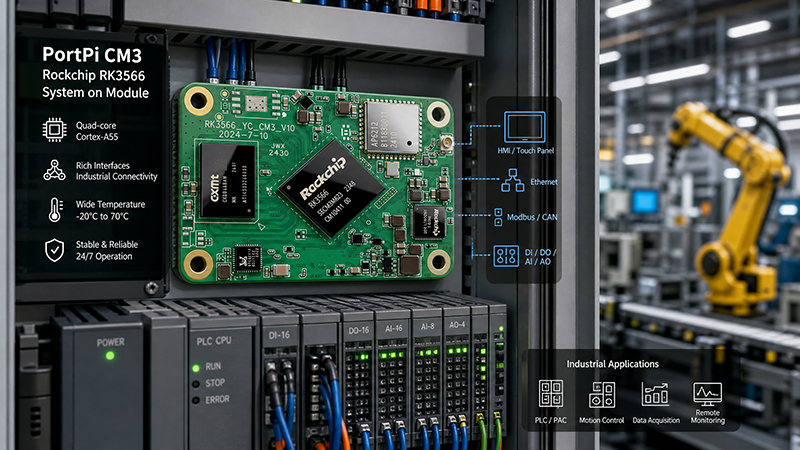
As an illustration, the PortPi CM3 Compute Module incorporates the Rockchip RK3566 platform. This platform is equipped with a quad-core Arm Cortex-A55 processor, Mali-G52 graphics processor, video encoding and decoding capabilities, and a dedicated neural processing unit. The module has been engineered specifically for embedded applications requiring a space-efficient computing solution.
Based on project specifications, a compute module utilizing the RK3566 platform may be evaluated for applications including smart display systems, Internet of Things devices, industrial control terminals, and comparable embedded systems.
When assessing a processor platform, the following factors warrant consideration:
- CPU performance metrics and computational workload specifications
- Graphics processing capabilities for visual rendering and interface design
- Neural processing unit availability and compatible artificial intelligence applications
- Display connectivity and imaging sensor interface requirements
- Peripheral communication interfaces and scalability features
- Operating system compatibility and software framework ecosystem
- Long-term market availability and ongoing technical support
Processor selection should not be determined exclusively by technical specifications. The optimal platform represents the one that effectively addresses the comprehensive requirements of the intended embedded system application.
Step 3: Customize RAM and Storage
Random Access Memory (RAM) and storage capacity are critical factors that directly influence application performance, multitasking capabilities, software installation capacity, and data handling efficiency.
The PortPi CM3 is equipped with a standard configuration featuring 2GB LPDDR4 RAM and 32GB eMMC storage. Alternative configurations are available, including 4GB or 8GB RAM options paired with 64GB or 128GB eMMC storage options, as detailed in the accompanying product specifications documentation.
These configuration options enable developers to assess and compare various memory and storage combinations tailored to their specific project requirements.
PortPi CM3 Industrial Control
Consider the following application scenarios:
Smart control panels: Evaluate the memory demands imposed by the operating system, touchscreen interface functionality, and concurrent background services.
IoT gateways: Assess the computational and storage resources necessary for communication protocols, on-site data processing operations, and core system applications.
Industrial terminals: Account for the complexity of deployed applications, local storage capacity needs, and anticipated requirements for future software updates and patches.
Edge computing devices: Determine the computational capacity and memory resources essential for executing the designated inference models and managing data-processing operations.
The selected configuration must be thoroughly validated using production-level software and representative workloads. Increased memory capacity is not universally required across all applications and should be determined based on actual performance requirements.
Step 4: Develop a Carrier Board Tailored to Your Application
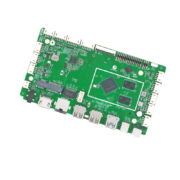
A compute module requires a carrier board to facilitate connectivity with the remainder of the product ecosystem. This represents a critical phase in the embedded hardware customization process.
The carrier board should be engineered according to the interface specifications and physical constraints inherent to the intended application.
Based on the chosen platform, relevant integration considerations may encompass:
- Display interfaces: Including MIPI DSI for compatible display systems.
- Serial communication: Including UART, RS232, and RS485 protocols.
- Networking: Including Gigabit Ethernet and compatible wireless connectivity options.
- Audio: Speaker and microphone integration where applicable.
Building automation: KNX protocol integration where necessary and supported by the hardware architecture.
Expansion interfaces: Connections facilitating sensors, controllers, and supplementary external devices.
Power management: A power supply and conversion architecture aligned with system specifications.
Not all interfaces are accessible on every compute module. Engineers must verify the module’s pinout documentation, electrical characteristics, and compatible signals prior to commencing carrier board design.
An optimally designed carrier board facilitates component reduction, streamlines system integration, and enhances alignment with the end product requirements.
Step 5: Determine the Operating System and Software Configuration
The operating system must be chosen at an early stage, as it influences hardware compatibility, application development capabilities, system resource allocation, and ongoing maintenance requirements.
The PortPi CM3 product documentation indicates compatibility with Android and Linux-based operating systems, encompassing Ubuntu, Debian, and Buildroot.
Each alternative addresses distinct development requirements:
Android: Appropriate for initiatives necessitating an Android application framework and graphical user interface functionality.
Ubuntu: Beneficial for development processes and software applications that leverage an extensive Linux software repository.
Debian: A suitable selection for embedded Linux implementations requiring a Debian-compatible environment.
Buildroot: Advantageous for constructing a tailored, minimal Linux distribution incorporating designated packages and modules.
Actual compatibility is contingent upon the particular software image, device drivers, motherboard settings, and specific project objectives.
Throughout the development phase, confirm that essential display, communication, data storage, and accessory drivers function appropriately. Should the product incorporate a touch-sensitive display, imaging devices, serial interfaces, or comparable attachments, evaluate these features on the actual hardware platform rather than depending exclusively on theoretical software-level compatibility.
Step 6: Validate Connectivity and Peripheral Integration
Embedded products frequently require communication with external devices. Consequently, connectivity specifications should be incorporated into the initial design phase rather than addressed subsequently.
For a compute module project, develop a comprehensive interface inventory that documents each peripheral, its designated communication protocol, and its electrical specifications.
Typical requirements may encompass:
- Ethernet or Wi-Fi network connectivity
- UART, RS232, or RS485 serial communication
- I2C connections for compatible peripherals
- MIPI display or camera interfaces where applicable
- Audio input and output interfaces
- Connections to sensors, controllers, and automation systems
For instance, an industrial control terminal may require communication with external controllers via serial interfaces, whereas a smart home device may demand network connectivity and compatibility with building automation systems.
Validation procedures should assess communication reliability, electrical compatibility, concurrent peripheral functionality, and system performance during standard operational conditions.
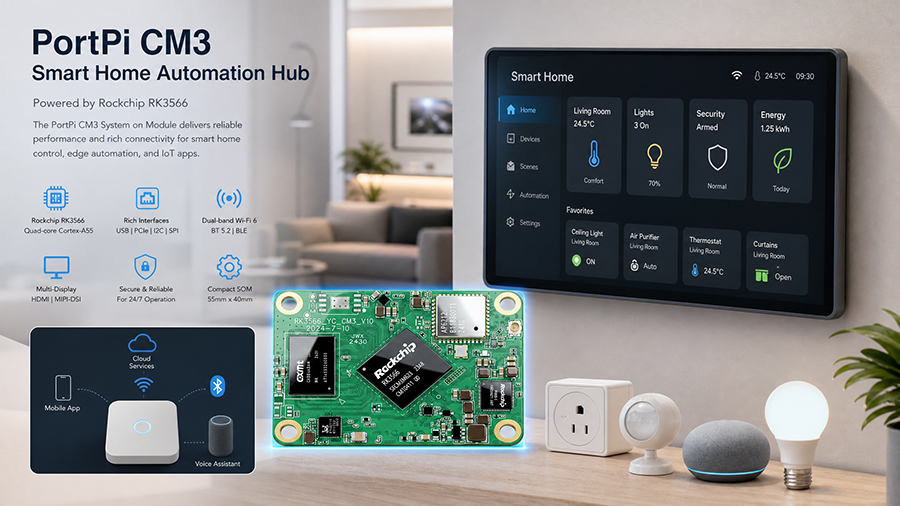
PortPi CM3 Smart Home
Step 7: Develop Prototypes and Conduct Comprehensive System Validation
A compute module functioning adequately in a development environment requires formal validation as an integrated component of the final product.
Prototype testing serves to detect hardware integration complications prior to scaling to mass production volumes.
A comprehensive validation methodology may encompass:
- Verifying power supply input and system initialization.
- Assessing the operating system and application software functionality.
- Confirming display output and touchscreen responsiveness, where applicable.
- Evaluating networking and peripheral interface performance.
- Assessing system performance under anticipated operational loads.
- Monitoring thermal characteristics and operational stability during prolonged use.
- Validating the integrated product within its designated operational context.
Additional testing protocols may be necessary for products deployed in industrial or other specialized environments. The testing methodology should correspond to actual operational conditions and pertinent product specifications.
Step 8: Develop a Manufacturing and Product Customization Strategy
A successful embedded project requires more than a functional prototype. Hardware architecture, software setup, technical documentation, component sourcing, and production methodologies must all be evaluated.
When assessing a compute module provider, consider inquiring about:
- Accessible RAM and storage options
- Compatible operating systems and development tools
- Customization options for carrier boards and connectivity
- Accessibility of circuit diagrams and technical specifications
- Support during prototype development and mass production phases
- Quality assurance protocols and production documentation
- Experience with OEM/ODM initiatives and professional technical engagement
For applications requiring specialized modifications, providers may deliver hardware customization, firmware integration, circuit board assembly services, and CKD/SKD-related solutions, contingent upon project requirements.
Establishing these specifications at an early stage facilitates a more efficient progression from development prototypes to commercially viable embedded systems.
PortPi CM3: A Compute Module for Specialized Embedded Applications
The PortPi CM3 Compute Module utilizes the Rockchip RK3566 architecture and is engineered for incorporation into specialized embedded computing environments.
According to the supplied product information, its main features include:
| Feature | PortPi CM3 |
|---|---|
| Processor | Rockchip RK3566 |
| CPU | Quad-core Arm Cortex-A55, 64-bit |
| GPU | Arm Mali-G52 |
| RAM | 2GB LPDDR4; optional 4GB or 8GB |
| Storage | 32GB eMMC; optional 64GB or 128GB |
| Operating systems | Android, Ubuntu, Debian, Buildroot |
| Display interface | MIPI DSI, subject to platform configuration |
| Communication interfaces | I2C, UART, RS485, RS232, subject to hardware configuration |
| Potential applications | Smart home, IoT, industrial control, robotics, embedded systems |
These specifications establish a foundational framework for product assessment. Prior to design completion, verify the current datasheet and interface accessibility for the specific module version in question.
The PortPi CM3 represents a viable option for applications demanding a compact computing module, adaptable memory and storage configurations, and compatibility with a specialized carrier board.
Advantages of Partnering with Portworld for Compute Module Customization
Portworld delivers intelligent hardware and embedded computing solutions to enterprises creating customized electronic products. The company’s offerings encompass compute modules, single-board computers, smart home control systems, embedded touch displays, and complementary hardware platforms.
For qualifying projects, customization and technical assistance may encompass:
- Hardware configuration aligned with project specifications
- RAM and eMMC storage alternatives
- Carrier board and peripheral integration capabilities
- Operating system optimization and software assistance
- PCBA customization services
- OEM/ODM development capabilities
- CKD/SKD-related manufacturing assistance
The precise scope of services is contingent upon the chosen product and specific project requirements.
When initiating a customized compute module initiative, communicating the intended application, necessary interfaces, software requirements, memory and storage specifications, and anticipated production volume facilitates the establishment of a more comprehensive technical foundation.
Regardless of whether you are engineering a smart control panel, an IoT gateway, an industrial terminal, or an alternative embedded system, Portworld possesses the expertise to assist in identifying an appropriate hardware platform for your undertaking.
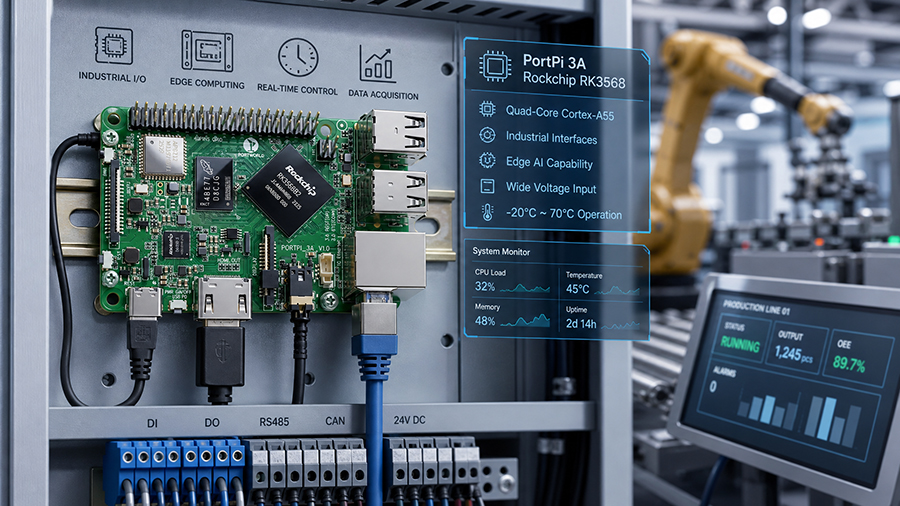
PortPi 3A Industrial motherboard
Frequently Asked Questions
1. What distinguishes a compute module from a single-board computer?
A compute module is typically engineered for integration into a larger system via a carrier board. A single-board computer generally consolidates computing capabilities and standard external interfaces onto a unified board, facilitating convenient development and prototyping activities. The precise distinctions vary depending on the specific products under examination.
2. Is it possible to customize a compute module for a particular embedded application?
Customization is feasible. Depending on the module and supplier, customization options may encompass RAM and storage specifications, carrier board architecture, peripheral connectivity, operating system configuration, and software implementation. The specific customization options should be verified with the supplier for the particular product.
3. How should one determine the appropriate RAM and storage capacity?
Begin by evaluating the operating system, application software, background services, and local data storage requirements. Execute testing of the intended workload on the target platform and select a configuration that delivers adequate resources while minimizing unnecessary expenditure or system complexity.
4. What operating systems are compatible with PortPi CM3?
The PortPi CM3 product documentation indicates support for Android, Ubuntu, Debian, and Buildroot. Prior to commencing development, verify the available software images, driver support, and compatible versions with the supplier.
5. Are compute modules appropriate for industrial environments?
A compute module may be suitable for industrial applications when its computational performance, interface capabilities, thermal management, power consumption, and environmental specifications align with the project requirements. The fully integrated product should undergo validation under its designated operating conditions.
6. What specifications should be included when requesting a customized compute module?
Provide documentation regarding the application context, processor specifications or performance criteria, RAM and storage requirements, operating system selection, display and peripheral interface needs, power consumption specifications, mechanical dimensions and constraints, and anticipated production volume.