Which Operating System Is Easier to Customize for a Smart Control Panel?
Operating System Selection for Smart Touch Panel Development: Android versus Linux
When undertaking the development of a bespoke smart control panel, the selection of an appropriate operating system represents a critical determination. The chosen OS substantially influences software development methodologies, user interface personalization, hardware integration capabilities, update administration protocols, and application interoperability.
Android and Linux constitute the two predominant options for smart control panel implementations. Although both platforms offer customization capabilities, each demonstrates suitability for distinct application scenarios.
Android-Based Smart Control Panel Customization
Android demonstrates particular advantages for applications necessitating an advanced touchscreen interface coupled with intuitive user-facing applications.
Key Advantages of Android Customization
1. Streamlined User Interface Development
Android furnishes comprehensive development infrastructure:
- Android Studio
- Java/Kotlin programming languages
- Extensive UI component libraries
Developers can efficiently construct:
- Interactive touchscreen control systems
- Intelligent home automation applications
- Operational command interfaces
- Multimedia delivery systems
Illustrative Application:
An intelligent residential control panel may incorporate:
- Illumination management systems
- Climate regulation parameters
- Video surveillance feeds
- Power consumption analytics
2. Comprehensive Developer Ecosystem
Android provides an extensive software ecosystem encompassing:
- Comprehensive technical documentation
- Numerous development libraries
- Pre-existing application resources
These elements substantially diminish development duration for specialized smart control applications.
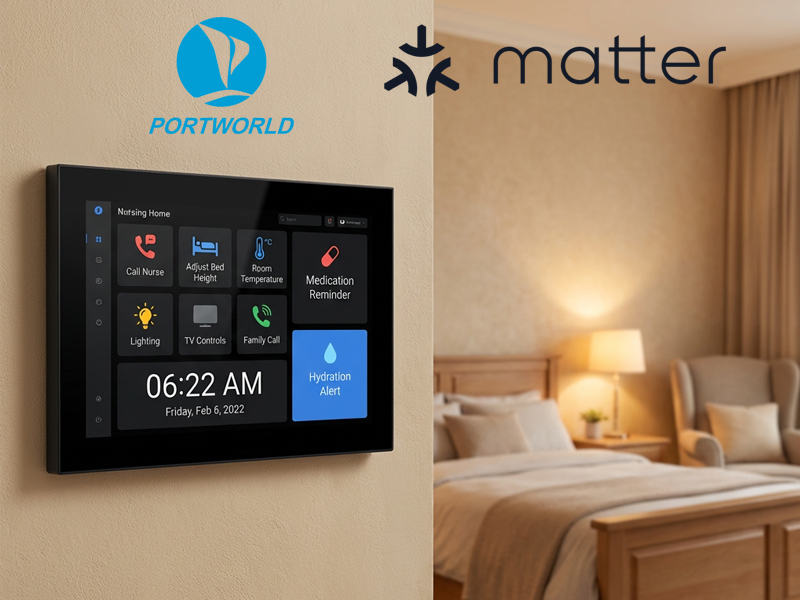
smart control panel-1
3. Enhanced Multimedia Capabilities
Android demonstrates suitability for intelligent display panels that necessitate:
- Video playback functionality
- Camera preview capabilities
- Voice assistant integration
- Video intercom systems
Applications:
- Intelligent residential panels
- Hotel accommodation terminals
- Conference room management systems
4. Streamlined Application Maintenance
Android facilitates:
- APK package installation
- Centralized remote application updates
- Over-the-air system updates
These features prove advantageous for expansive deployment scenarios.
Linux Smart Control Panel Customization
Linux delivers enhanced flexibility for developers requiring comprehensive hardware management and specialized industrial customization capabilities.
Advantages of Linux Customization
1. Expanded Hardware Control
Linux enables developers to modify:
- Kernel drivers
- Hardware interfaces
- Communication modules
- Boot process
This establishes Linux as the preferred choice for:
- Industrial automation systems
- Building management solutions
- Professional HMI applications
2. Superior Support for Industrial Protocols
Linux accommodates numerous automation protocols:
- Modbus RTU/TCP
- MQTT
- OPC UA
- CAN bus
- BACnet gateways
Example:
Linux Smart Panel
↓
RS485 Modbus
↓
HVAC System
3. Adaptable Software Development
Developers have access to:
- C/C++
- Python
- Qt
- GTK
- Web frameworks
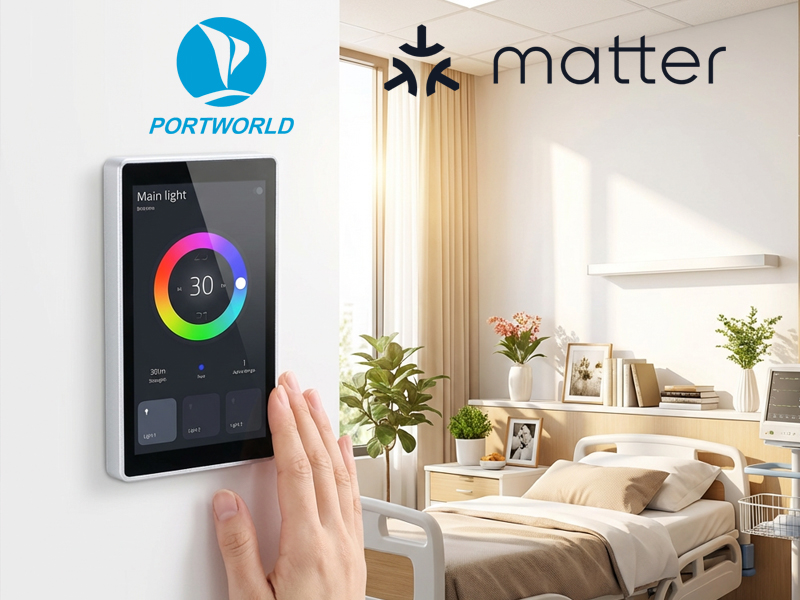
smart home control panel
These tools facilitate the creation of tailored control systems designed for particular industrial sectors.
Android vs Linux Customization Comparison
| Feature | Android | Linux |
|---|---|---|
| UI development | ⭐⭐⭐⭐⭐ Easy | ⭐⭐⭐⭐ Requires more development |
| Touchscreen applications | Excellent | Excellent |
| Hardware control | Good | Excellent |
| Industrial protocols | Good | Excellent |
| Multimedia support | Excellent | Good |
| App ecosystem | Excellent | Moderate |
| Driver customization | Moderate | Excellent |
| Development difficulty | Lower | Higher |
| Best for | Smart homes, hotels, commercial panels | Industrial automation, BMS |
Which Operating System Offers Greater Ease for Smart Home Control Panel Implementation?
Android typically demonstrates superior ease of use for most smart home applications due to the following advantages:
- Touchscreen user interface development can be completed more rapidly
- Application development processes are more straightforward
- Integration of multimedia capabilities is more seamless
- A larger pool of qualified developers is readily available
Standard use cases include:
- Intelligent lighting management systems
- Automated window covering operation
- Climate control system interfaces
- Surveillance and access control dashboards
Which Operating System Proves Superior for Building Automation Implementation?
Linux represents a more suitable option for building automation and industrial control applications.
Key advantages include:
- Enhanced capability for direct hardware-level operations
- Superior compatibility with industrial communication protocols
- Simplified modification of communication interface drivers
Typical deployment scenarios:
- Climate control system controllers
- Power consumption monitoring and optimization
- Integrated facility management platforms
- Industrial operator interface terminals
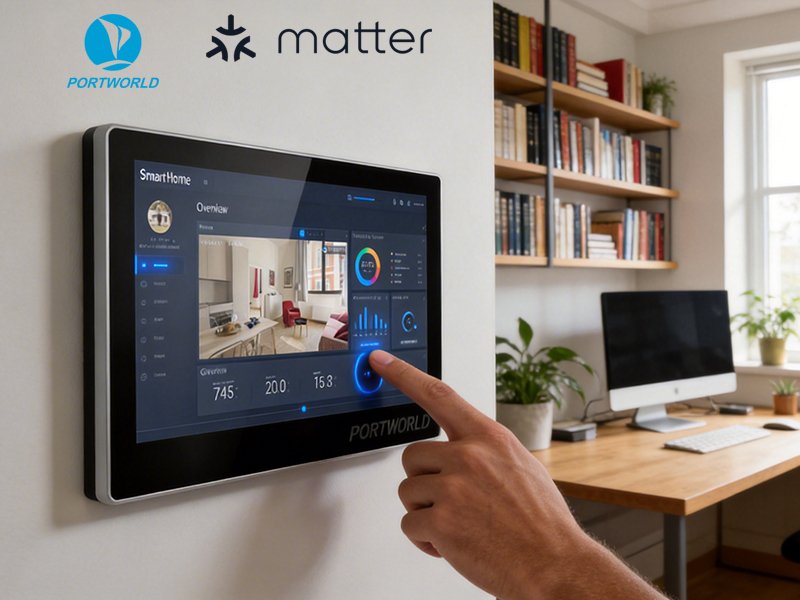
smart home control panel
Case Study: Portworld Smart Control Panel Solutions
Portworld delivers both Android and Linux-based smart control panels tailored to meet diverse automation requirements.
Android-Based Smart Control Panels
Optimal applications:
- Residential automation systems
- Hospitality environments
- Commercial workplace automation
Key capabilities:
- Proprietary Android application development
- Customized touchscreen interface design
- WiFi and Bluetooth connectivity solutions
- Ethernet and Power over Ethernet connectivity options
Linux Intelligent Control Panels
Applicable for:
- Building automation systems
- Industrial control applications
- HVAC system management
Capabilities:
- Linux OS customization
- Modbus protocol integration
- RS485 communication support
- Qt/LVGL interface development
OEM/ODM Operating System Customization Solutions
Intelligent control panels can be tailored through:
Android Customization
- Proprietary launcher implementation
- Android application development
- User interface customization
- System performance optimization
Linux Customization
- Linux distribution selection
- Kernel modification
- Custom driver development
- Industrial software integration capabilities
The optimal operating system for customization varies based on intended use:
Android proves more efficient for residential smart control panels due to accelerated UI development cycles, comprehensive application availability, and an extensive software marketplace.
Linux demonstrates superior performance for enterprise automation solutions because it enables granular hardware management and comprehensive industrial protocol compatibility.