How to Choose the Right Size for a Digital Signage Display
Selecting the appropriate size is crucial when implementing a digital signage system. A display that is inadequately sized may not capture attention effectively, whereas an excessively large screen could lead to increased expenses without enhancing the user experience. The optimal size for a digital signage display is influenced by factors such as viewing distance, installation environment, content type, and specific application needs.
As digital signage becomes increasingly prevalent in sectors like retail, transportation, healthcare, hospitality, and smart offices, it is essential for businesses to choose display sizes that strike a balance between visibility, usability, and available installation space.
Prioritize Viewing Distance
The distance from which viewers will observe the screen is the primary consideration when determining the size of a digital signage display.
A general guideline is as follows:
- Close viewing distance (0.5–2 meters): Small displays ranging from 7 to 15.6 inches are appropriate.
- Medium viewing distance (2–5 meters): Displays between 21.5 and 43 inches are typically utilized.
- Long viewing distance (5+ meters): Large-format displays measuring 49 to 86 inches are preferred.
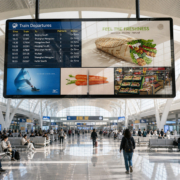
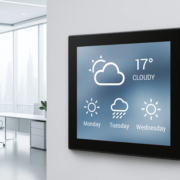
For instance, a meeting room booking panel positioned outside a conference room does not necessitate a large screen, whereas an advertising display in an airport requires a significantly larger format to ensure visibility from afar.
Stretch Bar Monitor
Select Size According to Application Scenarios
Various industries have distinct requirements for digital signage displays.
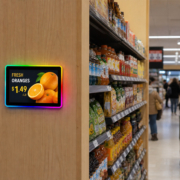
Retail settings often demand displays that not only capture customer attention but also fit within constrained spaces.
Typical selections include:
- 10.1–15.6 inch displays for product shelves and interactive kiosks
- 21.5–32 inch displays for promotional purposes
- 43–65 inch displays for advertising walls
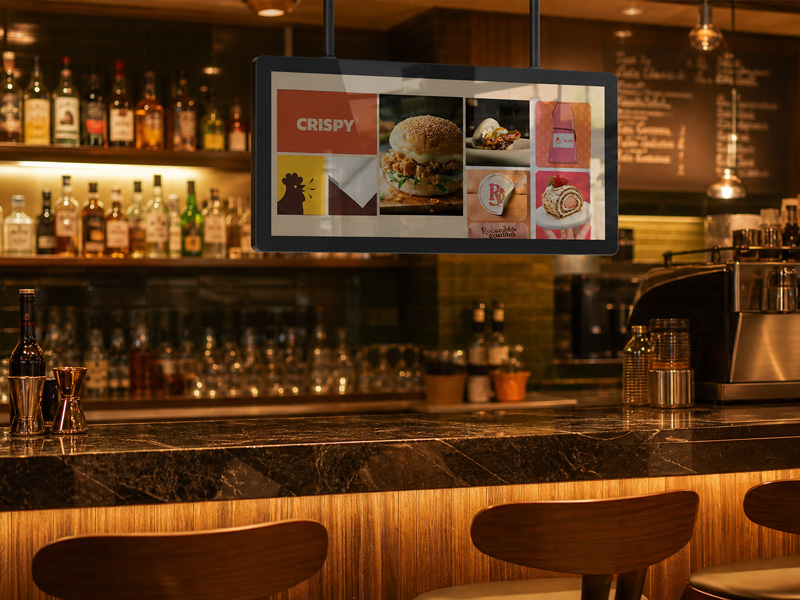
For shelf-edge advertising, stretched bar displays are gaining popularity due to their ultra-wide design, which can optimize limited retail space while effectively showcasing product promotions, pricing details, and brand content.
Meeting Room Scheduling Displays
Office settings typically emphasize a compact design coupled with user-friendly interaction.
Standard sizes include:
- 8–10 inch room booking panels
- 10.1–15.6 inch touchscreen displays
Portworld offers PoE-powered meeting room booking panels equipped with touchscreen capabilities and optional RGB LED status indicators, enabling users to swiftly ascertain room availability.
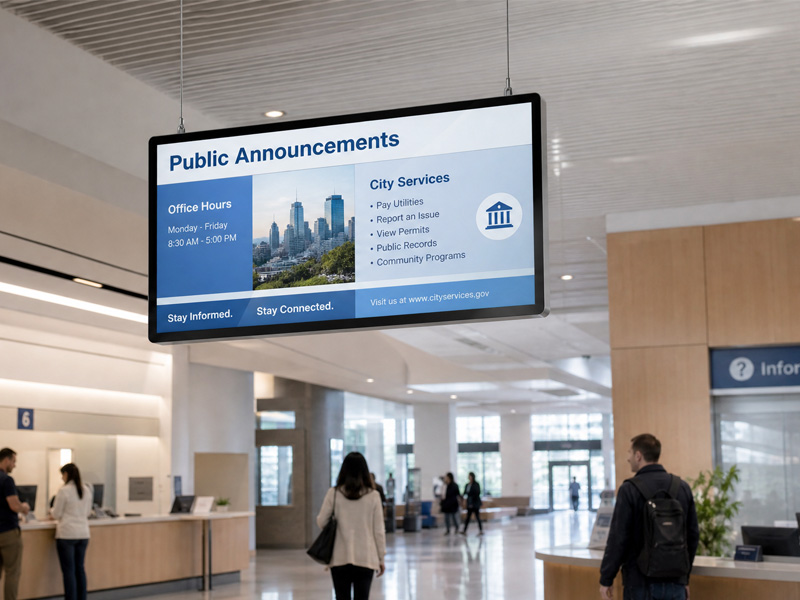
Stretch Bar Monitor
Hospitals and Healthcare Facilities
Hospitals necessitate displays that are easily readable while upholding a professional aesthetic.
Common sizes include:
- 15.6–21.5 inch patient information displays
- 32–55 inch queue management screens
Larger displays can enhance communication efficiency in waiting areas, whereas smaller touchscreen terminals are ideal for self-service check-in and patient engagement.
Airports, Shopping Malls, and Public Spaces
Expansive public venues require displays that are clearly visible from afar.
Typical sizes include:
- 43-inch
- 49-inch
- 55-inch
- 65-inch
- 86-inch
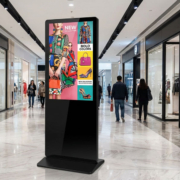
Floor-standing kiosks, wall-mounted displays, and double-sided digital signage systems are frequently utilized for advertising, navigation, and information dissemination.
Consideration of Installation Space and Display Location
The physical environment for installation significantly influences the choice of size.
Prior to selecting a digital signage display, take into account:
- Wall dimensions
- Viewing angles
- Installation height
- Available power and network connections
- The necessity for portrait or landscape orientation
In confined spaces such as elevators, shelves, and transit areas, stretched displays may offer a more effective solution compared to conventional rectangular screens.
Portworld provides tailored stretched LCD displays, wall-mounted signage players, and commercial display solutions in various sizes to accommodate diverse installation needs.
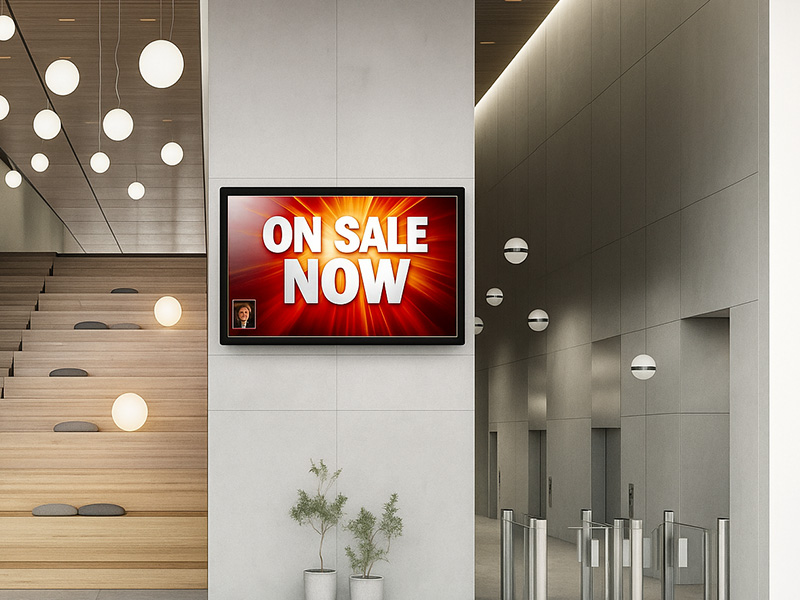
Digital Signage Display
Screen Resolution and Size Should Correspond
A larger display does not inherently equate to superior image quality. The screen size must be aligned with an appropriate resolution.
Typical combinations include:
- Small displays: HD or Full HD
- Medium displays: Full HD
- Large commercial displays: Full HD or 4K
For advertising, menus, and product showcases, a higher resolution is essential for preserving sharp images and ensuring a professional visual presentation.
Consideration of Touch Functionality
If user interaction with the display is required, the selection of size should also factor in usability.
Touchscreen digital signage is frequently utilized for:
- Self-service kiosks
- Visitor registration
- Product searches
- Wayfinding systems
- Smart building management
A larger touchscreen offers a more comfortable area for interaction, while smaller panels are more appropriate for compact information terminals.
Portworld Digital Signage Display Solutions
As an OEM/ODM manufacturer, Portworld offers tailored digital signage solutions catering to various industries and project specifications.
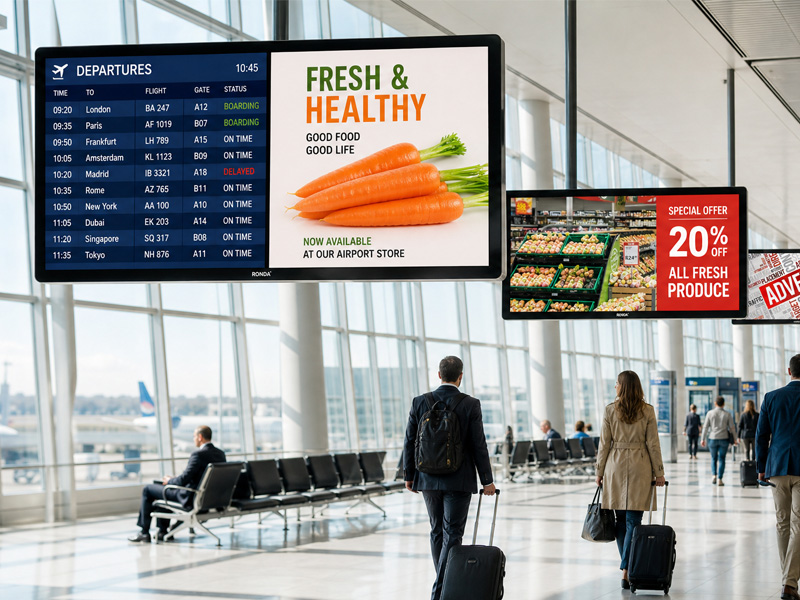
Advertising Digital Signage
The available solutions encompass:Wall-mounted digital signage displays
- Interactive touchscreen kiosks
- Stretched bar LCD displays
- Outdoor high-brightness signage
- Meeting room booking panels
- Custom Android/Linux display systems
Portworld accommodates a range of screen sizes, from compact 7-inch panels to expansive 86-inch commercial displays, with customization options that include processor selection, touchscreen integration, brightness enhancements, housing design, and software modifications.
Selecting the appropriate size for a digital signage display necessitates thorough consideration of viewing distance, application environment, installation space, and user interaction needs.
Smaller displays are optimal for close-range interactions, medium displays are suitable for retail and office settings, while large-format displays are more appropriate for public areas and advertising purposes.