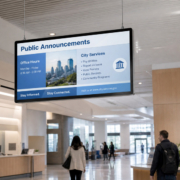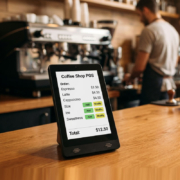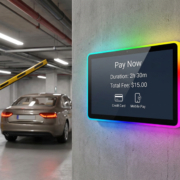
How to Choose the Right Digital Signage Display for Your Business
As organizations increasingly embrace digital communication solutions, digital signage displays have emerged as a vital instrument for advertising, engaging customers, disseminating information, and facilitating smart management. Whether in retail establishments, dining venues, airports, healthcare facilities, or corporate environments, an appropriate digital signage solution can greatly enhance customer satisfaction and operational productivity.
Nevertheless, selecting the right display involves more than merely opting for the largest screen or the most advanced specifications. The optimal digital signage display must align with your business context, content needs, installation circumstances, and plans for future growth.
Begin With Your Application Needs
Prior to selecting a digital signage display, the initial inquiry should be: Where will the display be utilized, and what function will it fulfill?
Various applications necessitate distinct hardware configurations.
For instance:
- Retail outlets may require visually striking advertising displays to draw in customers.
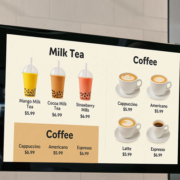
- Dining establishments may need digital menu boards that allow for straightforward content updates.
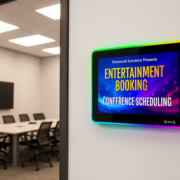
- Corporate offices may seek touchscreen panels for reserving meeting rooms.
- Healthcare facilities may need displays for queue management and information dissemination.
- Transportation centers require dependable displays for real-time passenger updates.
Grasping the application context is crucial in determining the appropriate screen size, brightness, operating system, and installation approach.
Selecting the Appropriate Display Size
The size of the screen has a direct impact on visibility and the overall user experience.
A smaller display may be adequate for close-range interactions, whereas larger screens are more suitable for public areas where viewers are positioned several meters away.
Common applications include:
- 7–15.6 inch displays: Smart control panels, room booking systems, POS terminals, access control
- 21.5–32 inch displays: Reception areas, interactive kiosks, self-service terminals
- 43–65 inch displays: Retail advertising, menu boards, corporate information displays
- 65 inch and above: Airports, shopping malls, exhibition halls, large public spaces
For instance, Portworld’s YC-55MT Series wall-mounted digital signage player accommodates various sizes, from compact displays to large commercial screens, enabling businesses to choose the appropriate format based on their installation needs.
Evaluate Brightness According to the Installation Environment
Brightness is a critical factor when choosing a digital signage display.
A display set up in a dim office environment does not necessitate the same brightness level as one positioned near a storefront window or outdoors.
Typical brightness requirements include:
- Indoor office environment: approximately 300–500 nits
- Retail stores and shopping malls: 500–700 nits
- Window-facing applications: 1000 nits or higher
- Outdoor digital signage: 1500–3000+ nits, depending on sunlight exposure
Utilizing an inappropriate brightness level can lead to inadequate visibility, particularly in well-lit environments.
For outdoor applications, Portworld offers high-brightness digital signage solutions equipped with features such as IP65 protection, sunlight-readable displays, and industrial-grade enclosures tailored for challenging environments.
Determine Between Standard Display and Touchscreen Display
The subsequent factor to consider is whether users require interaction with the screen.
Conventional digital signage primarily serves the purpose of displaying information, advertisements, or announcements.
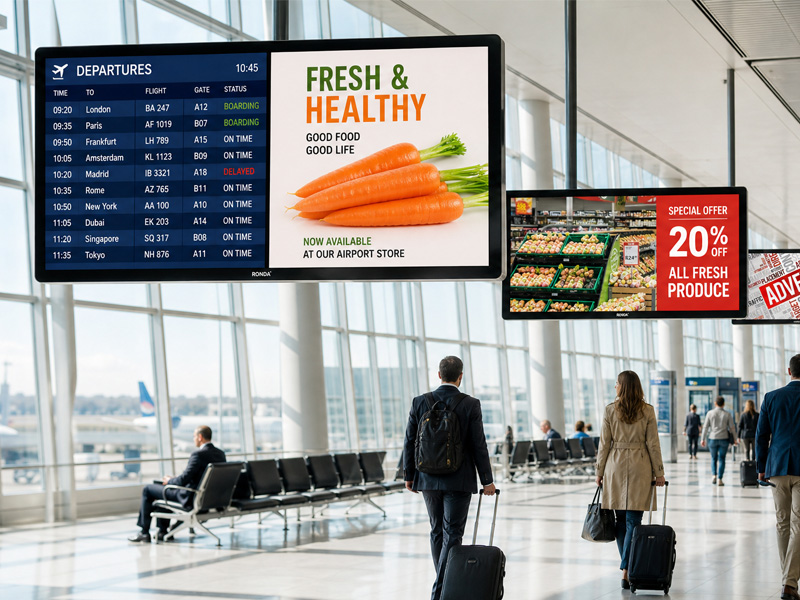
Advertising Digital Signage
Interactive touchscreen displays offer enhanced functionalities such as:
- Product searching
- Visitor registration
- Self-service ordering
- Digital wayfinding
- Smart building control
For instance, retail establishments can implement touchscreen kiosks to enable customers to explore products, while offices may utilize interactive panels for managing meeting rooms.
Portworld provides tailored Android touchscreen displays with optional features including:
- Capacitive touch panels
- NFC/RFID readers
- Cameras
- PoE connectivity
- Custom software integration
Select the Appropriate Operating System and Hardware Platform
The internal computing system plays a crucial role in determining the flexibility and power of the digital signage display.
Common platforms consist of:
Android Digital Signage Displays
Advantages:
- Simplified application development
- Extensive software ecosystem
- Flexible customization
- Ideal for interactive applications
Linux/Debian Digital Signage Systems
Advantages:
- Enhanced system control
- Suitable for industrial applications
- Reliable long-term operation
For applications requiring higher performance, embedded processors such as Rockchip RK3566, RK3568, RK3576, and RK3588 deliver robust computing capabilities for multimedia playback, AI applications, and tailored solutions.
Stretch Bar Monitor
Portworld accommodates Android, Linux, and Debian-based digital signage platforms, assisting customers in developing solutions aligned with their software needs.
Consider the Installation Method
The environment in which the installation occurs significantly influences the selection of digital signage hardware.
Common types of installations include:
Appropriate for:
- Retail establishments
- Healthcare facilities
- Financial institutions
- Corporate offices
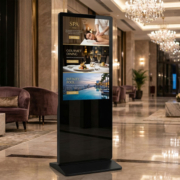
Floor-Standing Digital Signage Kiosks
Appropriate for:
- Shopping centers
- Airports
- Exhibition venues
Stretched Bar Displays
Best suited for:
- Advertising at supermarket shelf edges
- Elevator advertising
- Transportation information displays
Frequently utilized in:
- Airports
- Shopping malls
- Public spaces
Selecting the appropriate installation method guarantees enhanced visibility and elevates the overall user experience.

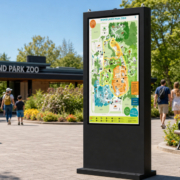
55″ Outside Floor Standing Digital Signage
Select a Dependable Manufacturer with Customization Capabilities
In numerous commercial projects, off-the-shelf products may not adequately fulfill customer needs.
Companies frequently require customization such as:
- Tailored screen dimensions
- Varied processors
- Unique housing designs
- Brand logo integration
- Android firmware modifications
- CMS compatibility
- Hardware alterations
This aspect is particularly crucial for system integrators, distributors, and brands creating their own digital signage solutions.
As an OEM/ODM digital signage manufacturer, Portworld offers comprehensive customization services, encompassing hardware design, PCBA development, software adjustments, and support for mass production.
Reasons to Opt for Portworld Digital Signage Solutions
Portworld specializes in tailored touchscreen systems, integrated hardware, and commercial display solutions.
The product offerings encompass:
- Android digital signage displays
- Outdoor advertising displays
- Interactive kiosks
- Stretched bar LCD displays
- Meeting room booking panels
- Industrial touchscreen displays
With its own research and development as well as manufacturing capabilities, Portworld assists global clients in developing dependable digital signage solutions for sectors such as retail, healthcare, transportation, smart buildings, and industrial applications.
Selecting the appropriate digital signage display for your enterprise involves more than merely evaluating screen sizes and costs. The optimal solution is contingent upon your specific application, viewing conditions, brightness requirements, interaction preferences, and long-term deployment objectives.