How Does LoRaWAN Work in Smart Home Applications?
As smart homes evolve to become increasingly intelligent, the need for long-range, low-power IoT communication is on the rise. While technologies such as WiFi, Zigbee, and Bluetooth are frequently utilized for indoor automation, LoRaWAN (Long Range Wide Area Network) offers an alternative by allowing devices to communicate over significantly greater distances with minimal power usage.
In the context of smart home applications, LoRaWAN is primarily employed for sensors, energy monitoring, security, and outdoor IoT devices where conventional wireless technologies may encounter limitations.
What Is LoRaWAN?
A Long-Range Low-Power IoT Communication Protocol
LoRaWAN is a wireless communication protocol that is based on LoRa (Long Range) radio technology.
It is specifically designed for:
- Low-power IoT devices
- Long-distance communication
- Small data transmission
- Battery-operated sensors
In contrast to WiFi, which prioritizes high-speed data transfer, LoRaWAN is tailored for devices that require the transmission of small amounts of information at regular intervals.
Examples include:
- Temperature readings
- Door sensor status
- Water leak alerts
- Energy consumption data
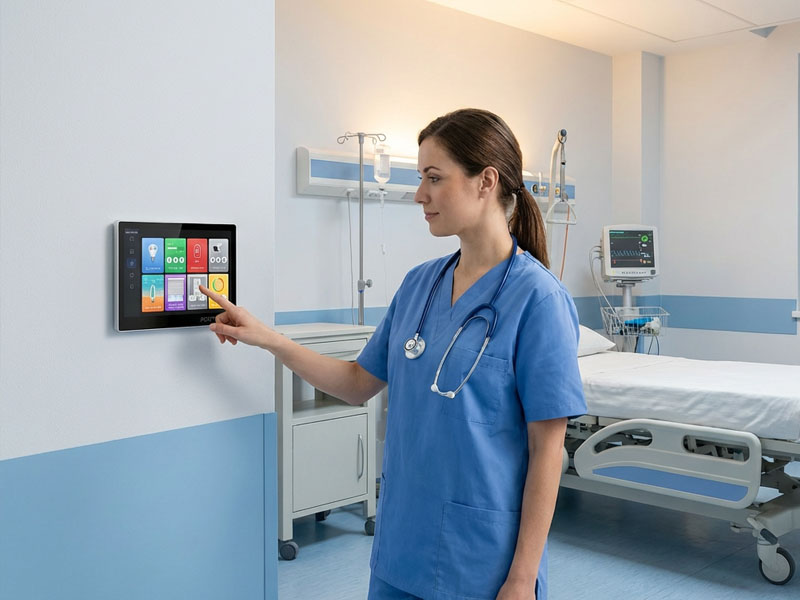
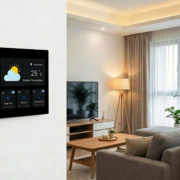
smart control panels-1
How Does LoRaWAN Function in a Smart Home?
A standard LoRaWAN smart home framework consists of:
LoRaWAN Sensors
↓
LoRaWAN Gateway
↓
Network Server
↓
Smart Home Platform / Control Panel
1. IoT Sensors Gather Data
LoRaWAN devices typically serve as sensors that gather environmental data.
Examples:
Smart Temperature Sensors
Assess:
- Indoor temperature
- Humidity
- Air quality
- Security Sensors
Track:
- Door/window openings
- Motion detection
- Smoke alarms
Energy Monitoring Devices
Monitor:
- Electricity consumption
- Solar energy production
- Water usage
These sensors transmit data periodically via LoRa radio.
2. LoRaWAN Gateway Receives Data
The LoRaWAN gateway functions as a communication intermediary.
It captures wireless signals from various LoRa devices and relays data to the network server using:
- Ethernet
- WiFi
- Cellular networks
A single gateway can accommodate numerous IoT sensors across an extensive area.
3. Network Server Processes Information
The network server oversees:
- Device authentication
- Data routing
- Security
- Communication management
It sends the processed data to smart home applications.
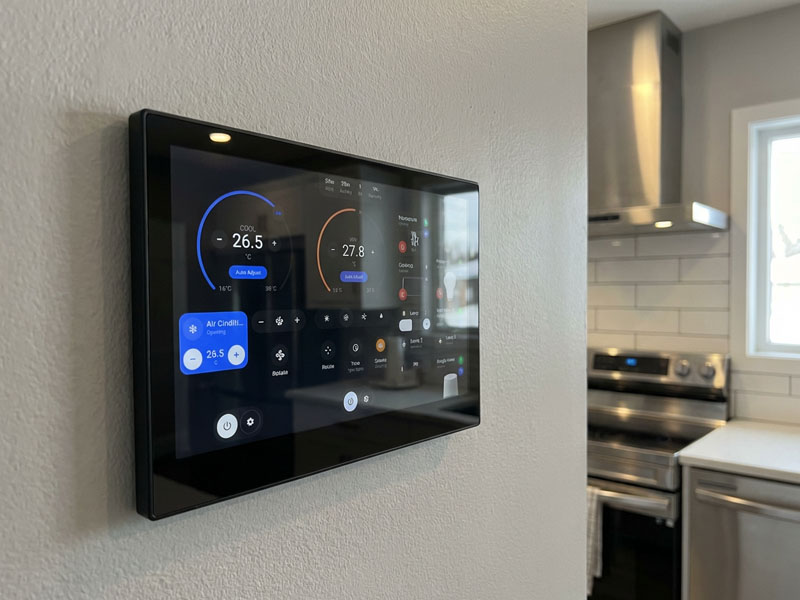
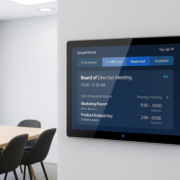
smart touch control panel8
4. Smart Home Control System Performs Actions
Upon receiving data from sensors, the smart home platform is capable of initiating automation.
Example:
- Water Leak Detection
- LoRaWAN water sensor identifies a leak
- Data is transmitted to the gateway
- The smart system receives the alert
- The smart valve automatically shuts off
- The user is notified
Benefits of LoRaWAN in Smart Homes
1. Extensive Communication Range
LoRaWAN can span significantly greater distances than conventional indoor IoT protocols.
Common applications include:
- Spacious villas
- Agricultural lands
- Residential neighborhoods
- Outdoor smart home setups
It can transmit signals through:
- Walls
- Buildings
- Expansive outdoor spaces
2. Extremely Low Power Usage
LoRaWAN devices are capable of functioning for several years on battery power.
Perfect for:
- Wireless sensors
- Remote monitoring equipment
- Inaccessible areas
Illustrations include:
- Garden sensors
- Water meters
- Outdoor security devices
3. High Capacity for Connected Devices
One LoRaWAN gateway can accommodate numerous IoT nodes.
Appropriate for:
- Smart communities
- Multi-building residential developments
- Extensive properties
4. Superior Coverage Compared to Short-Range Protocols
In comparison to Zigbee or Bluetooth:
| Protocol | Range | Power Consumption | Best Use |
|---|---|---|---|
| Bluetooth | Short | Very Low | Wearables, nearby devices |
| Zigbee | Medium | Low | Indoor smart home devices |
| WiFi | Medium | High | High-speed devices |
| LoRaWAN | Long | Very Low | Remote IoT sensors |
LoRaWAN vs Zigbee in Smart Homes
Zigbee
Ideal for:
- Smart lighting
- Smart switches
- Indoor automation
- Real-time device control
Benefits:
- Quick response
- Mesh networking capability
- Extensive consumer ecosystem
LoRaWAN
Ideal for:
- Outdoor sensors
- Energy monitoring
- Security monitoring
- Long-range IoT applications
Benefits:
- Extended range
- Extremely low power consumption
- Wide area coverage
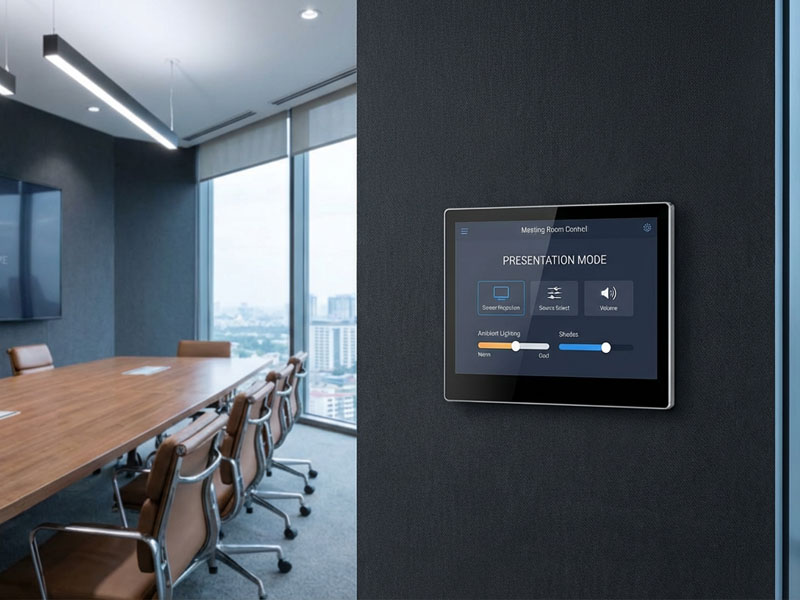
smart home control panel
LoRaWAN is compatible with smart control panels.
Typically, this is achieved via a gateway.
The structure is as follows:
LoRaWAN Sensor
↓
LoRaWAN Gateway
↓
Smart Control Panel
↓
User Interface
A smart control panel is capable of presenting:
- Temperature information
- Energy usage statistics
- Security notifications
- Environmental data
Additionally, it enables users to control interconnected systems.
Smart Home Applications Utilizing LoRaWAN
1. Intelligent Energy Management
Track:
- Electricity consumption
- Solar energy systems
- Smart metering devices
2. Advanced Security Solutions
Link:
- Door sensors
- Motion detection devices
- Outdoor alarm systems
3. Automated Garden and Outdoor Management
Regulate:
- Irrigation systems
- Soil moisture sensors
- Weather monitoring systems
4. Community Management Solutions
Applicable in:
- Residential properties
- Apartment buildings
- Smart urban areas
Integration with Intelligent Control Panels
Contemporary intelligent control panels are capable of integrating various communication technologies:
- WiFi
- Bluetooth
- Zigbee
- Thread
- Matter
- LoRaWAN
- RS485
- Ethernet
This results in a versatile IoT gateway that can accommodate both consumer and professional automation systems.
For instance:
Android Intelligent Control Panel
↓
IoT Gateway
↓
LoRaWAN Outdoor Sensors + Zigbee Indoor Devices + Modbus HVAC
Portworld Smart Control Panel Solutions
Portworld offers tailored smart touch panels designed for IoT and building automation purposes.
YC-SM43P ESP32-S3 Smart HMI Panel
Specifications:
- ESP32-S3 processor
- WiFi & Bluetooth connectivity
- Ethernet support
- Power over Ethernet (PoE)
- RS485 communication capability
- LVGL customizable user interface
Applications:
- IoT gateways
- Smart building management
- Embedded automation terminals
Android/Linux Smart Control Panels
Specifications:
- RK3566/RK3568 processors
- Compatibility with Android/Linux
- Touchscreen interface
- Various communication interfaces
- OEM/ODM customization options
Applications:
- Smart homes
- Hotels
- Office environments
- Commercial IoT systems
LoRaWAN offers an effective solution for smart home applications that necessitate long-range communication and extremely low power consumption.
Although Zigbee and WiFi are more appropriate for indoor real-time device management, LoRaWAN excels in applications involving remote sensors, outdoor automation, and extensive smart home installations.