How to Choose the Right Smart Control Panel for Home Automation
As smart homes gain popularity, both homeowners and system integrators are seeking improved methods to manage lighting, HVAC, curtains, security, and IoT devices. A smart control panel for home automation offers a centralized touchscreen interface that replaces various traditional switches and remote controls.
Nevertheless, selecting the appropriate smart control panel involves more than just considering screen size or aesthetics. Aspects such as hardware performance, operating system, communication protocols, installation method, and customization options all play a significant role in shaping the overall user experience.
1. Define Your Home Automation Requirements
Prior to choosing a smart control panel, it is crucial to identify which systems require control.
Different residences may necessitate various functionalities:
- Lighting control
- Air conditioning and heating
- Motorized curtains
- Smart locks
- Security systems
- Energy monitoring
- Audio and video systems
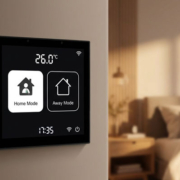
For basic lighting control, a compact 4-inch touch panel might suffice.
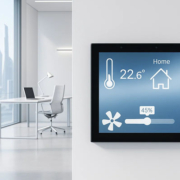
In contrast, for luxury villas or larger smart homes, a more substantial touchscreen terminal with enhanced computing power may be preferable for showcasing dashboards, scenes, and multiple control functions.
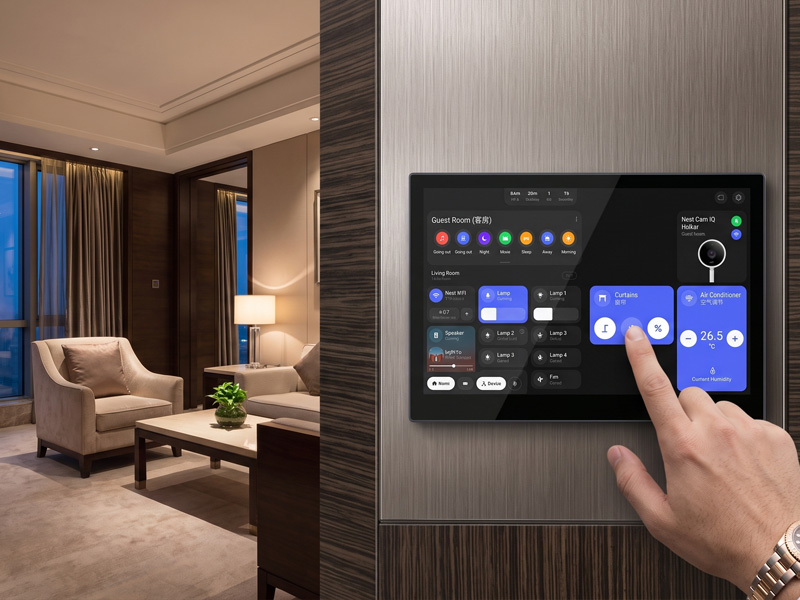
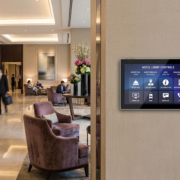
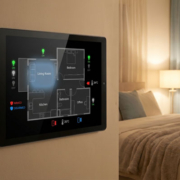
smart home control panel
2. Select the Appropriate Screen Size and Installation Design
Smart control panels come in various sizes tailored to specific applications.
Ideal for:
- Replacing wall switches
- Controlling bedroom environments
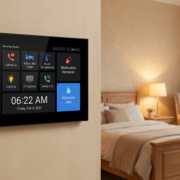
- Managing hotel room settings
- Executing basic automation tasks
These compact panels are designed to fit standard wall boxes while ensuring a tidy interior aesthetic.
10-inch and Larger Smart Panels
Ideal for:
- Upscale residences
- Villa automation systems
- Centralized home control
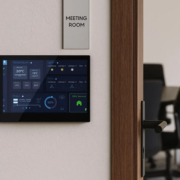
- Interfaces for building management
Larger displays offer increased capacity for:
- Visualizing room statuses
- Creating custom dashboards
- Controlling multiple devices simultaneously
The method of installation is also crucial. For international projects, ensuring compatibility with wall box standards such as UK 86, EU, and US can facilitate easier installation.
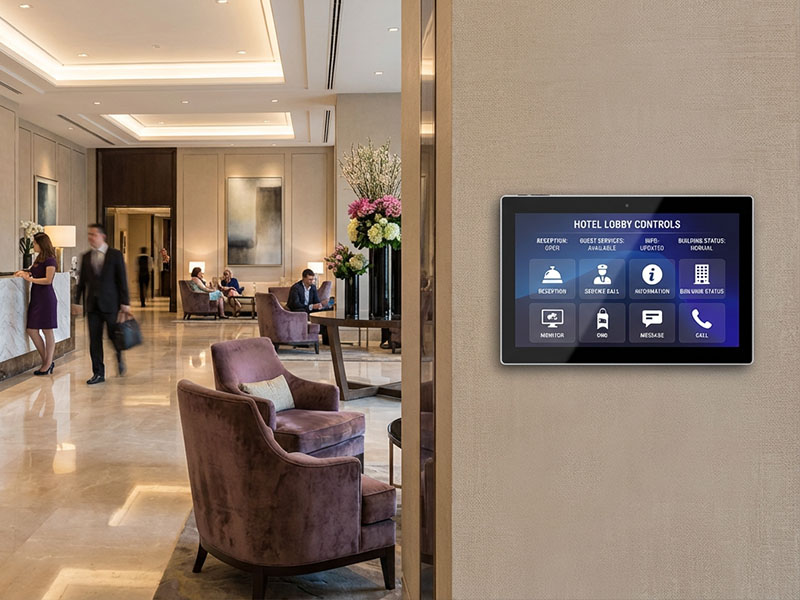
YC-SM10P
10.1 inch Smart Home Control Panel
3. Evaluate Processor Performance
The processor plays a key role in the operational efficiency of the smart panel.
For basic IoT control applications, low-power processors can deliver satisfactory performance.
For more sophisticated home automation systems, a more robust platform is advisable.
Common processor choices include:
- ESP32-S3 for lightweight IoT HMI applications
- Rockchip RK3566/RK3568 for Android/Linux smart panels
- RK3588 for high-performance needs
A more capable processor enables:
- Quicker user interface responses
- Support for more complex applications
- Enhanced graphics performance
- Local AI or multimedia functionalities
4. Choose the Appropriate Operating System
The choice of operating system influences software adaptability and the product’s lifespan.
Android is ideal for users who require:
- Feature-rich applications
- Mobile-oriented interfaces
- Rapid application development
- Integration with cloud platforms
Typical applications encompass:
- Smart home tablets
- Control systems for hotel rooms
- Multimedia terminals
Linux is favored for:
- Professional automation systems
- Long-term commercial endeavors
- Tailored embedded applications
Benefits include:
- Extensive hardware customization
- Reliable operation
- Enhanced performance
- Compatibility with Qt/QML and embedded frameworks
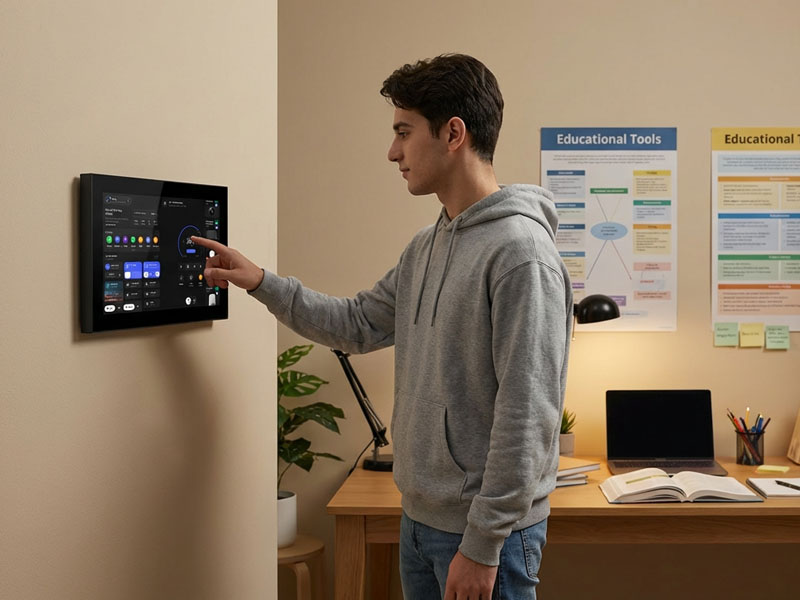
10 inch smart home control panel
5. Verify Communication Protocol Compatibility
An effective smart control panel must support the communication protocols necessary for your automation system.
Common options consist of:
WiFi
Utilized for:
- Cloud services
- Remote management
- Network integration
Bluetooth
Utilized for:
- Device pairing
- Local setup
Zigbee
Ideal for:
- Smart lighting
- Sensors
- Low-power IoT devices
Thread / Matter
Engineered for next-generation smart home ecosystems.
RS485 / KNX
Widely used in professional automation projects:
- Villas
- Hotels
- Commercial establishments
- PoE Ethernet
Delivers both power and network communication through a single cable, streamlining installation.
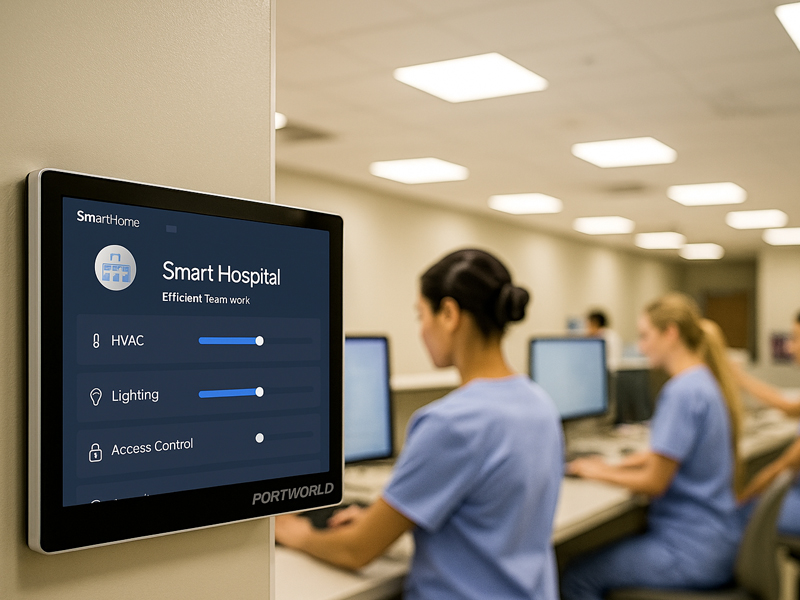
smart touch control panel8
6. Seek Software and UI Customization
A smart control panel should not be confined to a static interface.
For branded smart home solutions, customization may encompass:
- Tailored UI design
- Multiple language options
- Display of brand logos
- Custom applications
- Integration with automation platforms
This is particularly crucial for:
- Smart home brands
- Hotel chains
- System integrators
Portworld Smart Control Panel Solutions
Portworld offers intelligent touch control panels tailored for smart home, hotel, office, and building automation uses.
Examples include:
YC-SM41P 4-Inch Smart Touch Panel
Engineered for compact wall-mounted settings:
- 4-inch capacitive touchscreen
- Support for Android/Linux
- WiFi and Bluetooth connectivity
- Ethernet access
- RS485 communication
- Power over Ethernet (PoE) options
- YC-SM43P ESP32-S3 Smart Panel
Crafted for IoT and HMI applications:
- ESP32-S3 processor
- Support for LVGL UI
- WiFi + Bluetooth 5.0
- Ethernet and RS485 connectivity
- 86×86mm wall installation
- YC-1011 10.1-Inch Smart Control Panel
Designed for sophisticated automation:
- RK3568 quad-core processor
- Support for Android 11 / Debian
- 10-point capacitive touch functionality
- Ethernet with PoE
- Applications for smart home and office control
- OEM/ODM Customization for Smart Home Brands
For businesses creating their own smart home solutions, standard panels may not always fulfill market demands.
Portworld offers OEM/ODM services that include:
Hardware Customization
- PCBA design
- Selection of processors
- Integration of communication modules
- Incorporation of sensors and peripherals
Software Customization
- Firmware for Android/Linux
- Development of Yocto Linux BSP
- Customization of Qt/QML UI
- Application development
Mechanical Customization
- Adaptation for UK 86/EU/US wall boxes
- Design of custom enclosures
- Logo printing services
- Customization of packaging
Selecting the appropriate smart control panel for home automation necessitates a careful consideration of design, performance, connectivity, and customization requirements.
For compact room management, a 4-inch smart touch panel may be the most suitable option. In contrast, larger Android/Linux-based panels offer enhanced control and visualization capabilities for comprehensive home automation systems.