How Does a Smart Control Panel Work With Home Automation Systems?
A smart home system usually includes many different devices, such as smart lights, HVAC systems, motorized curtains, security cameras, smart locks, and sensors. Without a centralized interface, users may need multiple apps or switches to control different devices.
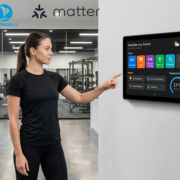
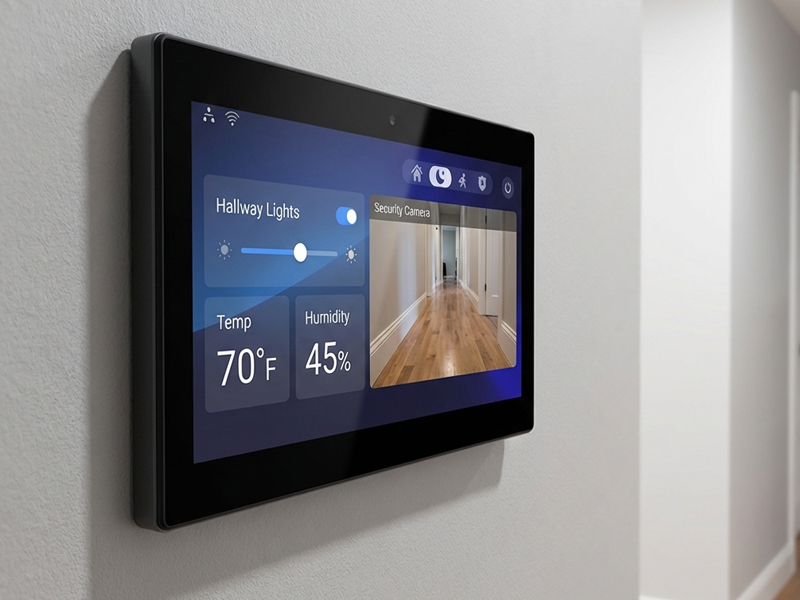
A smart control panel solves this problem by providing a single touchscreen interface that connects and manages different smart home systems. It works as the user interaction center, allowing homeowners to monitor devices, create automation scenes, and control daily activities from one location.
What Is a Smart Control Panel in Home Automation?
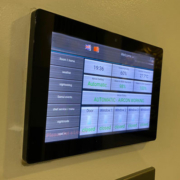
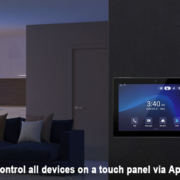
A smart control panel is a wall-mounted touchscreen device that communicates with smart home devices through wired or wireless networks.
The basic system structure is:
User Touch Input
↓
Smart Control Panel
↓
Gateway / Smart Home Platform
↓
Connected Devices
The panel itself does not usually replace every device controller. Instead, it provides the interface and communication bridge that allows different systems to work together.
How Does a Smart Control Panel Control Smart Devices?
1. User Sends Commands Through the Touchscreen
The process commences when a user engages with the touchscreen interface.
For example:
The user selects:
“Movie Mode”
on the smart control panel.
The panel receives the command and transmits instructions to connected systems.
The automation scene may encompass:
- Turning off main lights
- Dimming LED lighting
- Closing curtains
- Adjusting air conditioning
- Turning on entertainment equipment
A single touch can activate multiple actions in an automated sequence.
2. The Control Panel Processes Automation Commands
Within a smart control panel are essential hardware components:
- Processor
- Memory
- Touch controller
- Communication modules
- Power management circuits
The processor executes the operating system or firmware responsible for managing:
- User interface
- Device communication
- Automation rules
- System status updates
For example:
An Android-based smart control panel can execute customized smart home applications, whereas an ESP32-based panel can execute lightweight IoT control firmware.
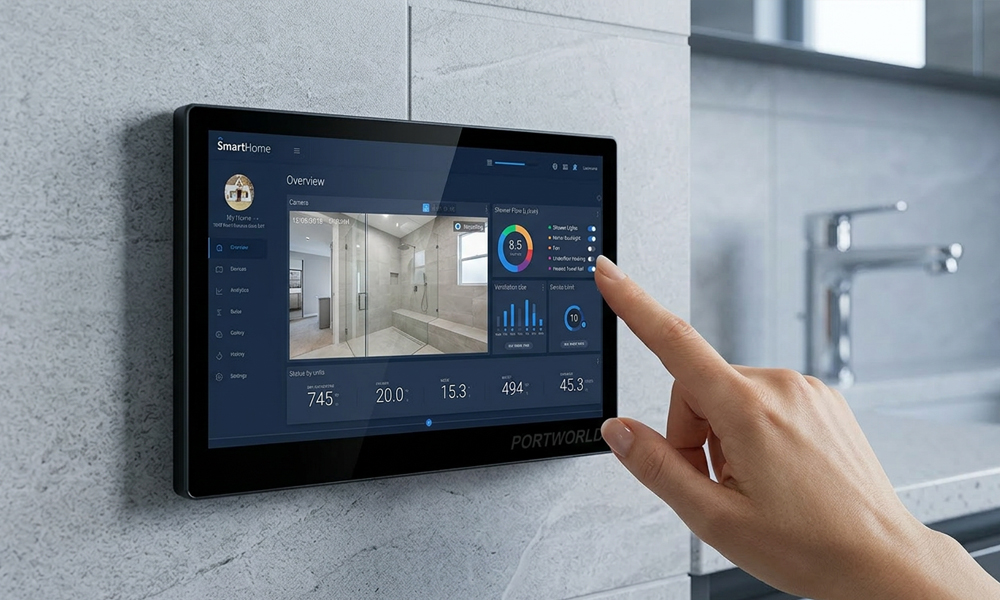
10 inch smart home control panel
3. Communication With Smart Home Devices
Smart control panels employ various communication protocols tailored to specific applications.
WiFi
WiFi serves as the primary protocol for:
- Cloud-based platforms
- Intelligent appliances
- Mobile applications
- Internet of Things devices
Example:
Smart Panel → WiFi Router → Smart Home Server → Device
Bluetooth / BLE
- Bluetooth is appropriate for:
- Sensory devices
- Intelligent locking mechanisms
- Portable electronic devices
- Proximity-based connections
Key Benefits:
- Minimal power requirements
- Simplified pairing procedures
- Zigbee
Zigbee is extensively utilized for:
- Intelligent illumination systems
- Sensory equipment
- Wireless control switches
Primary Advantages:
- Reduced energy consumption
- Mesh network architecture
- Capacity for numerous connected devices
- Matter
Matter facilitates communication between smart control panels and compatible devices manufactured by various companies.
It enhances compatibility across multiple platforms including:
- Apple Home
- Google Home
- Amazon Alexa
- SmartThings
This functionality enables consumers to integrate devices from multiple manufacturers into a unified smart home ecosystem.
RS485 / Modbus
In professional automation environments, intelligent control panels frequently incorporate RS485 communication capabilities.
Primary applications include:
- Heating, ventilation, and air conditioning systems
- Electric power consumption monitoring devices
- Integrated building management systems
Illustrative example:
Intelligent Control Panel
↓ RS485 Modbus
Air Conditioning Management Unit
This technology is particularly prevalent in:
- Hospitality establishments
- Corporate office spaces
- Residential villas
- Commercial facilities
- Intelligent Control Panel Implementations in Residential Automation
1. Intelligent Illumination Management
A touchscreen interface enables regulation of:
- Overhead lighting fixtures
- Automated light switches
- Light-emitting diode strip lighting
- Customizable lighting configurations
Illustrative scenario:
Welcome Home Activation
Single button operation:
- Activates entry area illumination
- Retracts window coverings
- Modulates ambient lighting intensity
2. Climate Control and Temperature Management
Intelligent panels can interface with:
- Air conditioning units
- Heating apparatus
- Air circulation equipment
Operators can manage:
- Desired temperature settings
- Operational mode selection (heating or cooling)
- Air circulation velocity
- Automated temperature scheduling
For sophisticated installations, data transmission may be facilitated through RS485 Modbus protocols or intelligent communication gateways.
3. Intelligent Curtain Automation System
Motorized curtains can be managed through the following methods:
- Touchscreen interface controls
- Programmed scheduling sequences
- Automated sensor detection
Illustrative Application:
Morning Activation:
- Automatically open curtains
- Enhance illumination levels
- Modify climate control settings
4. Comprehensive Security Administration
An intelligent control interface can incorporate:
- Electronic locking mechanisms
- Entrance detection sensors
- Video surveillance systems
- Security alarm networks
Property owners are able to:
- Monitor security conditions
- Access video surveillance footage
- Obtain real-time notifications
5. Integrated Multi-Room Scene Orchestration
The primary benefit of an intelligent control panel lies in its automated scene management capabilities.
Typical Applications:
Departure Protocol
Single activation:
- Deactivate all lighting systems
- Secure all entry points
- Reduce HVAC operational temperature
- Enable security protocols
Rest Mode
Single activation:
- Disable non-essential equipment
- Secure window coverings
- Optimize sleeping quarters temperature
Intelligent Control Panel Hardware Solutions
Various applications necessitate distinct hardware platforms.
ESP32 Intelligent Control Panels
Optimal for:
- Internet of Things management
- Intelligent switching systems
- Heating, ventilation, and air conditioning system interfaces
- Minimal energy consumption applications
Key Benefits:
- Affordable pricing
- Integrated WiFi and Bluetooth connectivity
- Adaptable software development and modification
Android Intelligent Control Panels
Optimal for:
- Comprehensive smart residential environments
- High-end residential properties
- Commercial hospitality facility management
Key Benefits:
- Tailored software solutions
- Advanced visual presentation capabilities
- Multimedia integration functionality
Processors including Rockchip-based architectures are frequently employed in advanced smart terminal systems requiring enhanced computational performance.
smart home control panel-1
Portworld Smart Home Control Panel Solutions
Portworld manufactures adaptable smart touchscreen panels designed for home automation applications.
YC-SM43P ESP32-S3 Smart Touch Panel
Intended for:
- Smart home control
- Internet of Things applications
- Heating, ventilation, and air conditioning interfaces
Capabilities:
- ESP32-S3 microprocessor
- Touchscreen interface
- WiFi and Bluetooth connectivity
- RS485 communication protocol
- Bespoke user interface development
YC-SM51P Smart Touch Panel
Applicable to:
- Home automation systems
- Hospitality room management
- Intelligent building infrastructure
Capabilities:
- Android and Linux compatibility
- RK3566 or RK3506 processor selections
- WiFi connectivity
- Bluetooth 5.2 technology
- Ethernet with Power over Ethernet
Advantages of Implementing a Smart Control Panel
- Centralized interface for managing numerous devices
- Streamlined operational efficiency
- Personalized automation configurations
- Optimized energy consumption
- Enhanced smart home functionality
- Accommodates integration of additional devices
A smart control panel works with home automation systems by acting as a centralized touchscreen interface that connects users, smart gateways, and connected devices.
Through communication technologies such as WiFi, Bluetooth, Zigbee, Matter, RS485, and Ethernet, smart panels can manage lighting, HVAC, curtains, security, and entertainment systems from one place.