Why Choose Android over Linux for Commercial Smart Control Hubs
In the current landscape of commercial smart buildings, smart control hubs have become essential for managing systems such as lighting, HVAC, access control, and other automation technologies. When choosing a platform for these hubs, Android and Linux stand out as two widely used operating systems, each possessing distinct advantages. Nevertheless, Android frequently emerges as the favored option for commercial smart control implementations.
1. Intuitive User Experience
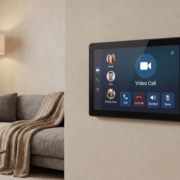
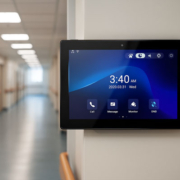
Android offers a user-friendly, touchscreen interface that is familiar to users from smartphones and tablets. This familiarity minimizes training requirements and guarantees a seamless user experience in environments like offices, hotels, and commercial buildings.
While Linux-based panels can provide comparable functionality, they often necessitate custom user interface development, which can lead to increased costs and longer deployment times.
2. Rich App Ecosystem
Android features an extensive app ecosystem, enabling commercial hubs to seamlessly integrate existing software for:
– Room booking and scheduling
– Lighting and HVAC management
– Security surveillance
– Video conferencing and IoT device oversight
In contrast, Linux systems may require the compilation of applications or the creation of custom software, which can hinder the speed of deployment.
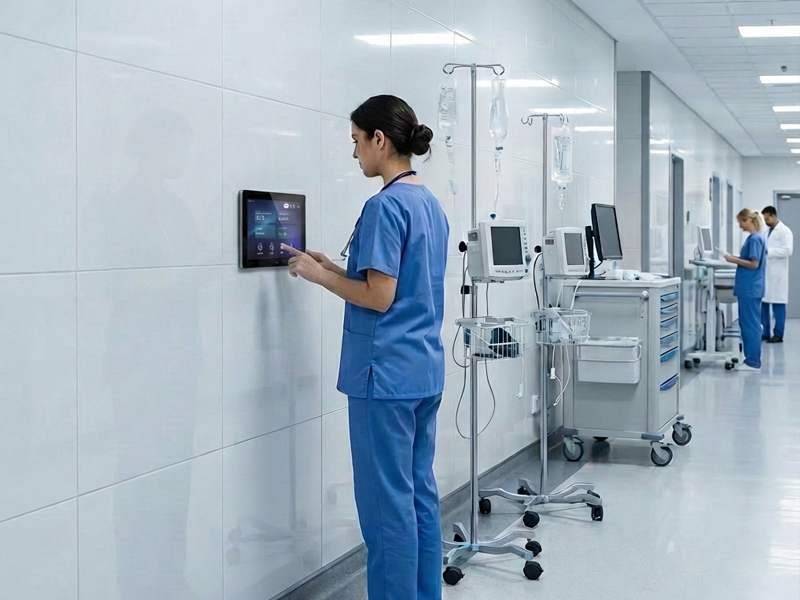
smart home control panel-13
3. Simplified Customization
Android smart control panels facilitate OEM/ODM customization options, including:
– Custom boot logos and branding
– Personalized user interface designs for offices or hotels
– Pre-installed management applications
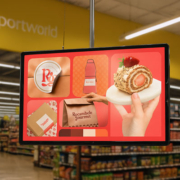
For instance, Portworld provides Android-based smart panels that include these customization features, simplifying the process for businesses to implement branded and fully operational control hubs.
4. Multi-Protocol Connectivity
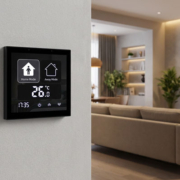
Contemporary commercial settings necessitate compatibility with devices utilizing WiFi, Zigbee, Bluetooth, KNX, RS485, and Ethernet. Android panels facilitate these protocols via integrated drivers and third-party applications, enabling seamless integration for lighting, curtains, HVAC, and security systems.
Linux panels are also capable of supporting these protocols; however, the integration process tends to be more technically challenging.
5. Regular Updates and Security
Android systems benefit from regular over-the-air (OTA) updates, which help maintain the security and reliability of commercial smart hubs without disrupting ongoing operations.
In contrast, Linux systems, although stable, often require more intricate update processes for large-scale implementations, frequently necessitating manual intervention or the development of custom update solutions.
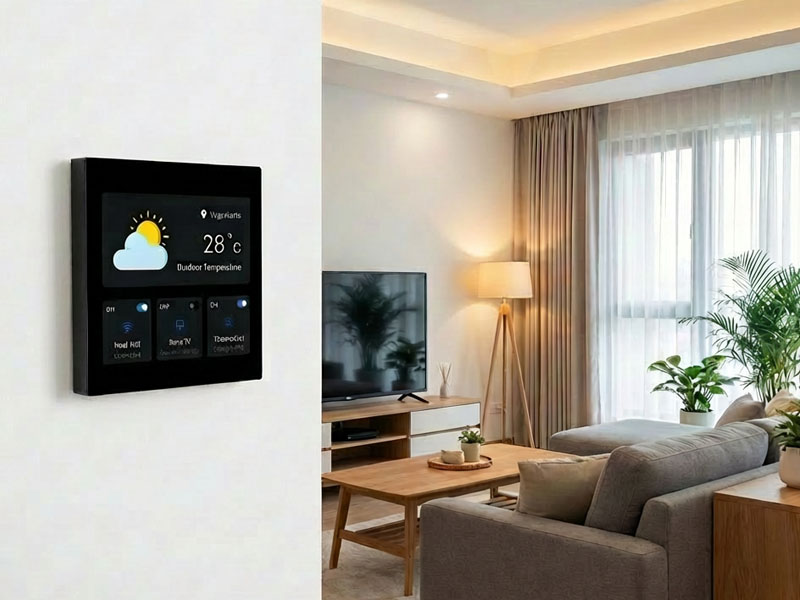
smart home control panel
6. Portworld Android Smart Control Panels
Portworld provides a range of Android-based smart control panels designed for commercial use:
- YC-SM10P – A 10-inch panel powered by RK3566, ideal for smart offices and meeting spaces.
- YC-P5 – A compact 5-inch smart panel featuring RS485 and Power over Ethernet (PoE) support.
- YC-SM41P – A 4-inch smart panel for home or office use, offering dual Android/Linux operating system support and a multi-touch interface.
These panels exemplify how Android enhances installation processes, boosts user-friendliness, and expedites deployment in commercial settings.