Why CE and FCC Compliance Matters for Commercial Displays
When businesses acquire commercial displays, it is essential to consider not only performance and design but also other critical factors. For global deployment, aspects such as product safety, electromagnetic compatibility, and regulatory compliance hold equal significance.
Certifications like CE and FCC are vital prerequisites for numerous digital signage displays, touchscreen terminals, kiosks, and industrial display solutions. These certifications ensure that products adhere to international standards concerning safety, reliability, and electromagnetic performance.
For manufacturers, compliance with CE and FCC is more than just a certification label; it signifies a dedication to quality control and professional product development.
What Are CE and FCC Certifications?
CE Certification
CE (Conformité Européenne) is a compulsory conformity marking for products marketed within the European Economic Area (EEA).
In the context of commercial displays, CE compliance generally encompasses:
- Electrical safety
- Electromagnetic compatibility (EMC)
- Health and environmental requirements
- Product reliability standards
Digital signage displays that possess CE certification can be deployed more readily in European markets.
FCC Certification
The certification from the FCC (Federal Communications Commission) is mandatory for electronic devices that wish to enter the United States market.

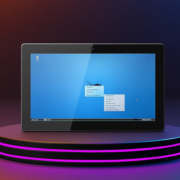
Stretch Bar Monitor
The focus of FCC compliance primarily includes:
- Electromagnetic interference (EMI)
- Radio frequency emissions
- Safety in wireless communication
This is particularly crucial for smart commercial displays that are equipped with:
- WiFi
- Bluetooth
- 4G/5G modules
- Functions for wireless communication
The Importance of CE and FCC Compliance for Commercial Displays
1. Guarantees Product Safety
Commercial displays frequently function continuously in public settings such as:
- Shopping malls
- Airports
- Hospitals
- Banks
- Retail stores
Safety concerns can lead to significant issues for businesses.
Displays that comply with CE standards are engineered to fulfill requirements concerning:
- Power management
- Electrical protection
- Safety of components
- Stable operation
This contributes to minimizing risks during prolonged commercial usage.
2. Minimizes Electromagnetic Interference
Contemporary digital signage displays comprise various electronic components, such as:
- Processors
- Touch controllers
- WiFi modules
- Bluetooth chips
- Network interfaces
In the absence of adequate electromagnetic control, devices may disrupt the functioning of nearby equipment.
EMC compliance is crucial for ensuring:
- Stable communication
- Reliable operation
- Enhanced compatibility with other electronic systems
This is especially vital in settings like hospitals, airports, and industrial facilities.

L-Shape Interactive Touch Screen Digital Signage
3. Facilitates Global Market Expansion
For businesses offering digital signage solutions on an international scale, compliance is a necessity.
Numerous customers, distributors, and system integrators demand certified products prior to making a purchase.
CE and FCC certification can assist companies in:
- Accelerating entry into international markets
- Navigating customer approval processes
- Establishing trust with partners
- Mitigating import risks
In global digital signage initiatives, certification is frequently a fundamental requirement rather than a mere option.
Which Commercial Displays Require CE and FCC Certification?
The majority of professional electronic display products necessitate compliance testing, which includes:
Digital Signage Displays
These are utilized for:
- Advertising screens
- Retail displays
- Information terminals
Interactive Touch Displays
These are employed for:
- Self-service kiosks
- Meeting room panels
- Smart control systems
Industrial Touch Monitors
These are used for:
- Factory automation
- Equipment control
- Industrial interfaces
Outdoor Digital Signage Kiosks
These serve the purpose of:
- Bus stops
- Smart city information systems
- Public advertising
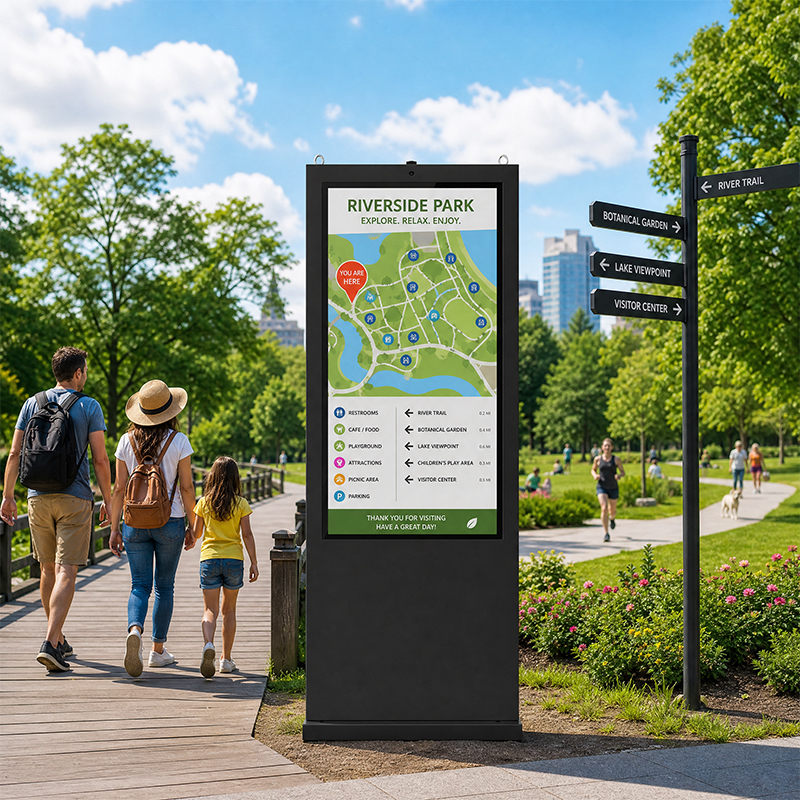
yc-5520 outdoor floor stand digital kiosk
CE and FCC Compliance for Tailored Digital Signage Initiatives
In the context of OEM/ODM digital signage projects, it is essential to initiate certification planning during the product development phase.
Factors related to customization that may influence certification include:
- Custom PCBA design
- Selection of processors
- Wireless module integration
- Power supply configuration
- Materials used for enclosures
- Size of the display
Collaborating with a seasoned manufacturer is crucial to ensure that customized products adhere to compliance standards.
Portworld CE & FCC Certified Digital Signage Solutions
As a leading manufacturer of digital signage displays, Portworld offers commercial display solutions tailored for international markets.
Portworld’s products cater to various applications, including:
- Retail advertising displays
- Interactive kiosks
- Meeting room reservation panels
- Industrial touch displays
- Smart access control terminals
With OEM/ODM capabilities, Portworld provides support for:
- Custom hardware design
- Customization of Android/Linux systems
- Development of PCBA
- Integration of touchscreens
- Incorporation of camera and NFC/RFID modules
- Assistance with product certification
From the development of prototypes to mass production, Portworld aids customers in creating dependable commercial displays that fulfill international deployment standards.
Compliance with CE and FCC standards is crucial in the manufacturing of commercial displays. These certifications guarantee that products adhere to safety, electromagnetic compatibility, and market access standards.
For companies looking to invest in digital signage solutions, selecting a supplier knowledgeable about certification requirements can mitigate project risks and enhance long-term reliability.