What Is the Difference Between Android and Linux Smart Control Panels?
Android and Linux Smart Panels: Selecting the Appropriate Platform for Automation Initiatives
As smart homes, intelligent buildings, hotels, and industrial automation systems gain traction, smart control panels have emerged as a crucial interface for managing interconnected devices. A key decision when developing or choosing a smart touch panel is whether to opt for an Android smart control panel or a Linux smart control panel.
Both platforms are capable of supporting touchscreen interaction, IoT connectivity, and automation applications, yet they cater to different needs. Android emphasizes application flexibility and user experience, whereas Linux offers enhanced customization and control over embedded systems.
Android Smart Control Panels: Versatile Applications and Enhanced User Experience
Android smart control panels are prevalent due to their provision of a user-friendly operating environment akin to that of smartphones and tablets. With robust application support and a vast developer community, Android is an ideal option for projects necessitating interactive interfaces and rapid software development.
Android panels can seamlessly accommodate:
- Tailored touchscreen applications
- Multimedia capabilities
- Cloud service integration
- Mobile application connectivity
- Third-party software
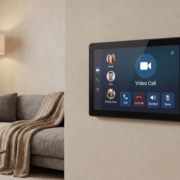
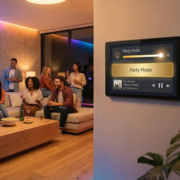
In the context of smart homes and hotel environments, Android delivers an outstanding user experience. Users can engage with contemporary graphical interfaces, access personalized applications, and manage multiple smart devices via a single touchscreen.
Android is frequently utilized in:
- Smart home control panels
- Hotel room automation systems
- Meeting room management solutions
- Digital signage displays
- Commercial interactive screens
For instance, a hotel may implement an Android smart panel to offer guests control over lighting, air conditioning, curtain adjustments, service requests, and personalized welcome screens.
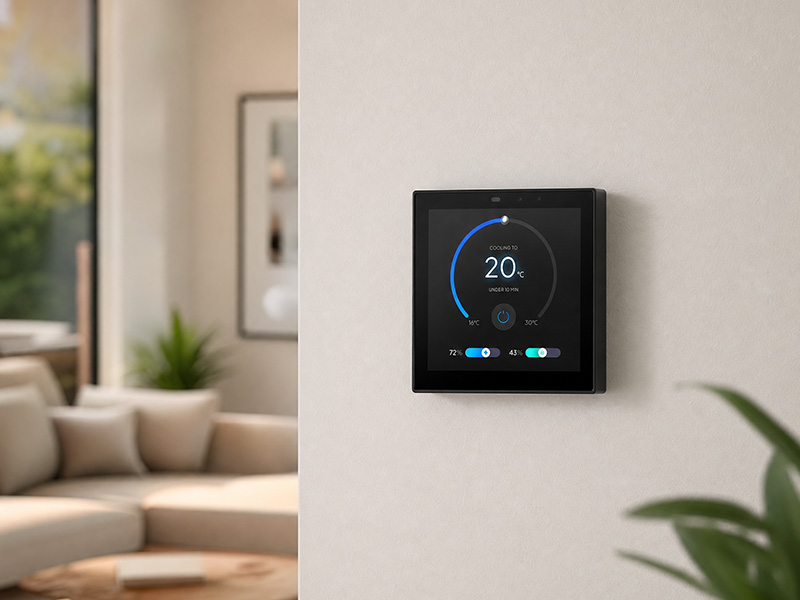
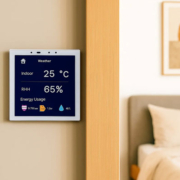
smart home control panel
Linux Smart Control Panels: Enhanced Customization and System Reliability
Linux smart control panels are extensively utilized in professional embedded applications where system management, dependability, and prolonged operation are crucial.
In contrast to Android, Linux provides developers with the ability to customize the system at a more profound level, which includes:
- Kernel configuration
- Device drivers
- Boot process
- System services
- Hardware optimization
This capability renders Linux particularly well-suited for industrial automation, building management, and tailored embedded solutions.
Linux smart panels are frequently employed in:
- Industrial HMI systems
- Smart building automation
- IoT gateways
- Medical equipment interfaces
- Professional control terminals
Utilizing frameworks such as Qt/QML and LVGL, Linux developers can design seamless and tailored touchscreen interfaces that are optimized for specific applications.
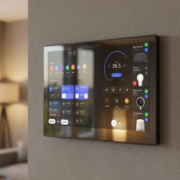
The primary distinction between Android and Linux smart control panels lies in the trade-off between application convenience and system customization.
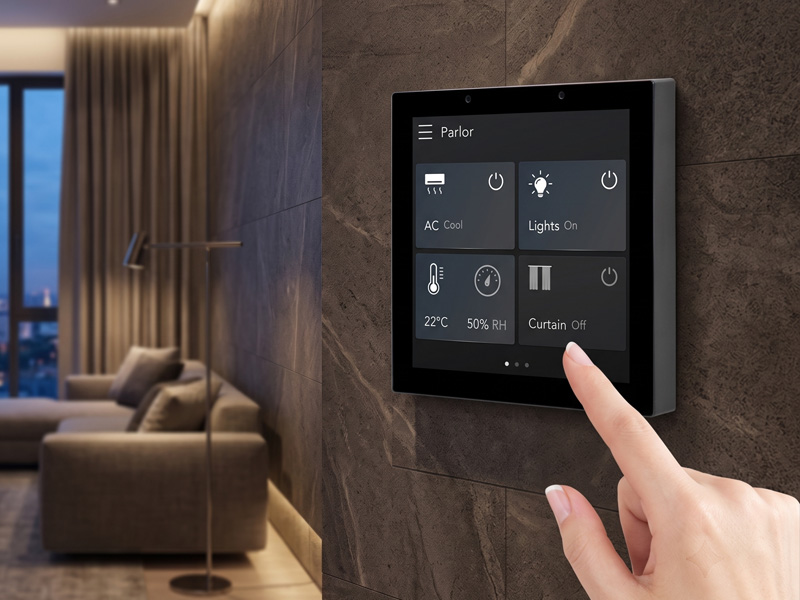
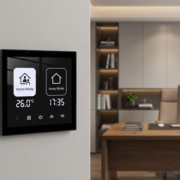
Smart Home Touch Control Panel
Android offers:
- Quicker application development
- A comprehensive software ecosystem
- Seamless integration with mobile applications
- Robust multimedia support
Linux, on the other hand, provides:
- Enhanced hardware customization
- Superior system optimization
- Reduced resource consumption
- Capabilities for long-term embedded deployment
For businesses developing consumer-oriented smart home products, Android is frequently favored due to its expedited market entry and user-friendly experience.
Conversely, for industrial firms and automation system providers, Linux is typically the preferred option as it grants complete control over both hardware and software.
Selecting the Appropriate Operating System for Smart Control Panels
The optimal choice is contingent upon the specific requirements of the project.
Android smart control panels are ideal when the project necessitates:
- A contemporary touchscreen interface
- Control through applications
- Integration with cloud platforms
- Multimedia capabilities
- Rapid software development
Conversely, Linux smart control panels are preferable when the project demands:
- Tailored firmware
- Industrial-grade dependability
- Integration with specialized hardware
- Extended product lifecycle
- Professional embedded development
For instance:
A smart villa control system that incorporates mobile applications and sophisticated graphical interfaces may find an Android panel advantageous.
In contrast, a factory automation terminal that requires customized drivers, industrial communication, and uninterrupted operation may be more suitably served by Linux.
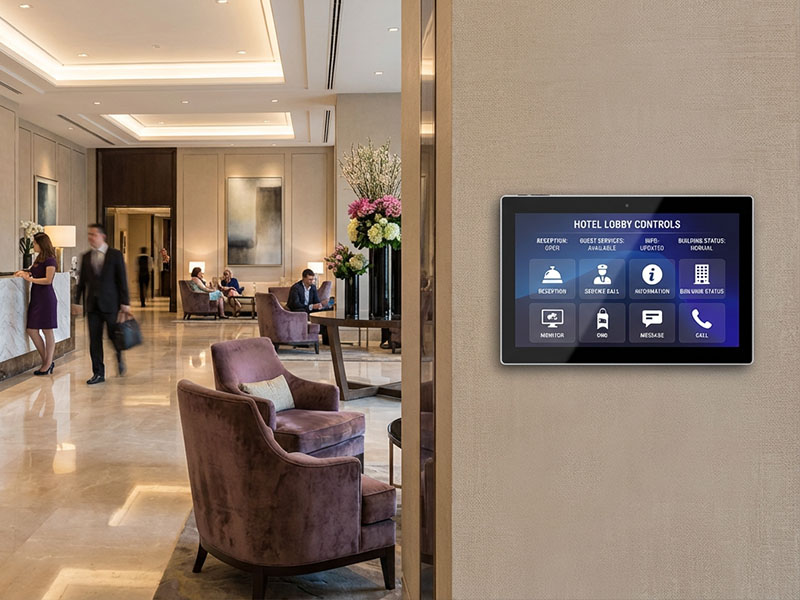
YC-SM10P
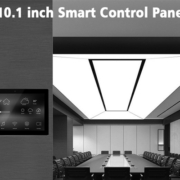
10.1 inch Smart Home Control Panel
Portworld Android and Linux Smart Control Panel Solutions
Portworld offers smart touch panel solutions for automation applications, compatible with both Android and Linux platforms.
The YC-SM41P is a 4-inch smart control panel that supports Android/Linux and is specifically designed for compact wall-mounted installations. It features Ethernet, RS485 communication, WiFi, Bluetooth, and PoE options, making it a versatile choice for smart home, hotel, and IoT control.
The YC-SM08P is an 8-inch smart touch panel that operates on Android 11 and is powered by the RK3566 processor. With its large IPS touchscreen, PoE Ethernet, WiFi, Bluetooth, and RS485 support, it is ideal for smart homes, hotels, offices, and meeting room automation.
The YC-1011 is a 10.1-inch smart control panel that supports both Android 11 and Debian Linux, equipped with the RK3568 processor for advanced automation applications. It serves as a robust platform for smart buildings, commercial control systems, and tailored HMI solutions.
The YC-SM43P ESP32-S3 smart HMI panel adopts an embedded Linux-style development approach with LVGL support, making it well-suited for IoT terminals, industrial HMI, and customized control applications.
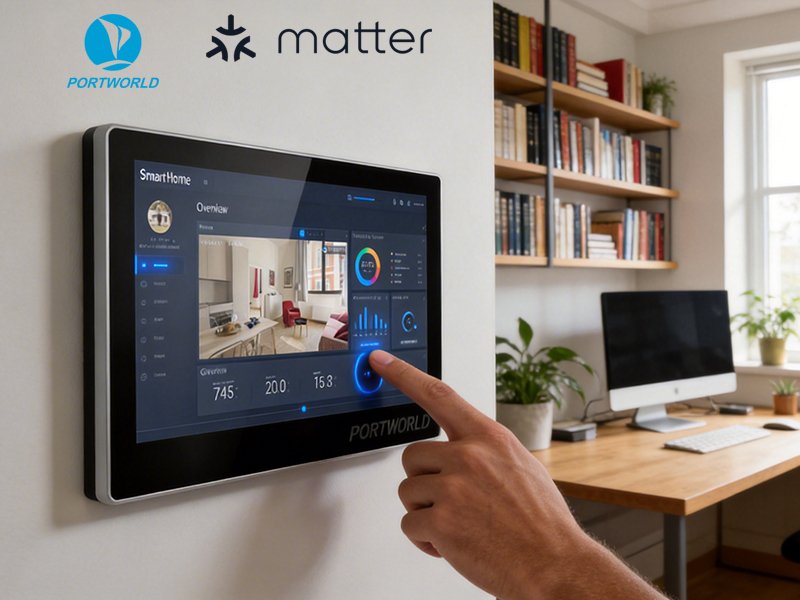
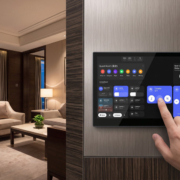
smart home control panel
OEM/ODM Customization for Android and Linux Smart Panels
Various customers possess distinct needs regarding operating systems, hardware platforms, and user interfaces. Portworld offers comprehensive OEM/ODM customization services, which include:
- Customization of Android firmware
- Development of Linux and Debian systems
- Customization of Yocto Linux BSP
- Development of Qt/QML user interfaces
- Integration of custom applications
- Design of PCBA
- Customization of hardware interfaces
- Customization of enclosures and logos
These services enable smart home brands, automation firms, and industrial clients to develop tailored smart control panels that align with their unique applications.
The primary distinction between Android and Linux smart control panels lies in the trade-off between flexibility and customization.
Android is well-suited for applications that demand rich user interfaces, rapid development, and robust application compatibility. Conversely, Linux is preferable for projects that necessitate extensive hardware control, stability, and long-term embedded deployment.