Can a 10-inch Linux smart control panel support Modbus for building automation?
Utilizing Linux Smart Touch Panels for HVAC and Building Management Systems
A 10-inch Linux smart control panel is indeed capable of supporting Modbus for building automation purposes. Within commercial and industrial settings, Modbus represents one of the most prevalent communication protocols utilized for integrating control panels with HVAC systems, energy measurement devices, sensor networks, illumination control systems, and additional building management infrastructure.
A Linux-based smart control panel integrates an expansive touchscreen display with sophisticated software functionality, enabling operators to supervise and regulate numerous building systems through a singular integrated device.
Modbus Integration With a Linux Smart Control Panel: Operational Mechanisms
Within a building automation framework, the smart control panel typically functions as a human-machine interface (HMI).
The conventional system configuration:
10-inch Linux Smart Control Panel
↓
RS485 / Ethernet Modbus Communication
↓
Building Automation Devices
Typical applications include:
- HVAC management systems
- Fan coil unit controllers
- Temperature measurement sensors
- Energy consumption meters
- Illumination management controllers
Operators engage with the touchscreen interface, whereas the Linux operating system transmits Modbus protocol commands to interconnected devices.
What Is Modbus?
Modbus represents a communication protocol that is extensively utilized in industrial and building automation systems.
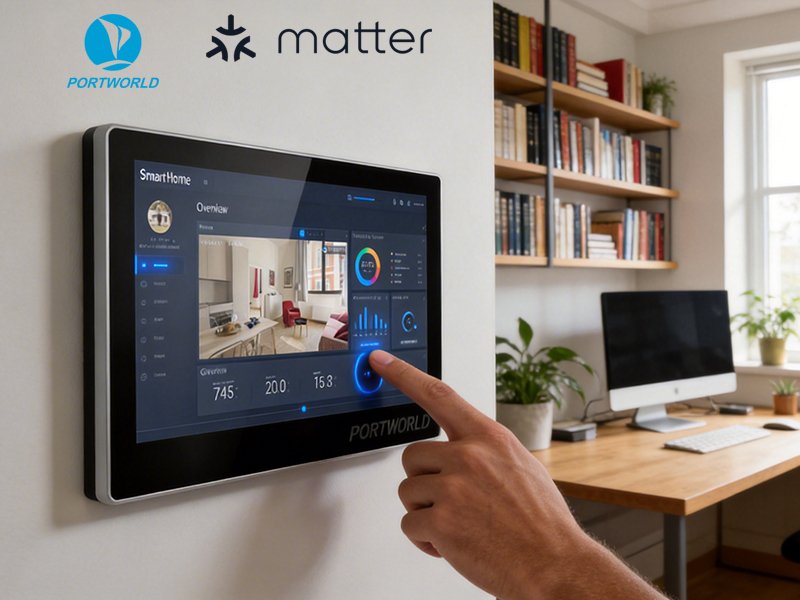
smart home control panel
The two predominant versions are:
Modbus RTU
Utilizes:
- RS485 interface
- Twisted-pair cable
- Extended-distance communication
Primary applications:
- HVAC control
- Temperature monitoring
- Energy meters
- Modbus TCP
Utilizes:
- Ethernet network
- TCP/IP communication
Primary applications:
- Building management systems
- Large commercial projects
- Industrial networks
Why Use Linux for a Modbus Smart Control Panel?
Linux delivers flexibility for customized automation applications.
Key advantages include:
1. Open Software Environment
Linux facilitates:
- Custom applications
- Industrial software
- Python/C++ development
- Qt interface development
- Web-based dashboards
Developers are able to develop customized building control software tailored to specific project requirements.
2. Easy Protocol Integration
A Linux smart panel can incorporate multiple protocols, including:
- Modbus RTU
- Modbus TCP
- MQTT
- OPC UA
- BACnet gateways
- REST APIs
This capability enables the panel to establish communication with diverse building systems.
3. Large Touchscreen Interface
A 10-inch display offers sufficient space for sophisticated control dashboards.
Typical interfaces comprise:
HVAC Dashboard
Presents:
- Room temperature
- Fan speed
- Cooling/heating mode
- Energy consumption
Building Management Dashboard
Presents:
- Floor status
- Equipment operation
- Lighting status
- Alarm information
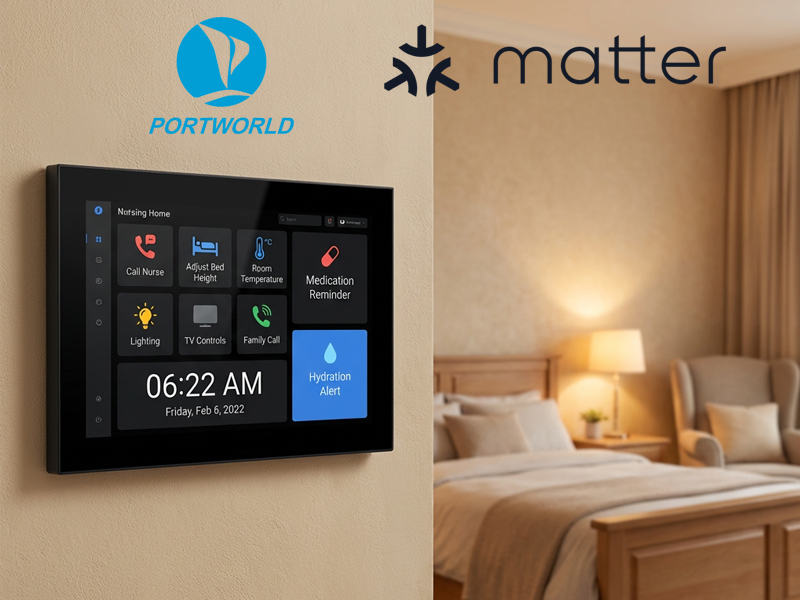
smart control panel-1
Hardware Specifications for Modbus Compatibility
A 10-inch Linux-based intelligent control interface for building automation systems typically incorporates:
Processing Unit
Standard processor options:
- Rockchip-based processors
- ARM Cortex-A architecture variants
- Industrial-grade Linux System-on-Chip solutions
RS485 Communication Interface
Essential for Modbus RTU protocol implementation:
Key components consist of:
- RS485 signal transceiver integrated circuit
- Protective circuitry
- Screw-terminal connection block
Implementation diagram:
Linux Touch Panel
↓
RS485 Modbus
↓
HVAC Controller
Ethernet Communication Interface
Required for Modbus TCP protocol support:
Essential components include:
- Ethernet physical layer interface
- RJ45 network connector
Key advantages:
- Enhanced communication speed
- Simplified network infrastructure integration
- Optimal deployment for expansive building facilities
Applications of a 10-Inch Linux Modbus Control Panel
1. HVAC Building Automation
A Linux intelligent panel facilitates the management of:
- Air conditioning systems
- Heating systems
- Ventilation systems
- Fan coil units
Capabilities:
- Temperature regulation
- Operating mode configuration
- Automated scheduling
- Energy conservation control
2. Smart Office Buildings
Implementations encompass:
- Meeting room management
- Illumination control
- Environmental climate regulation
- Power consumption tracking
3. Hotels
A 10-inch control panel enables the administration of:
- Guest room temperature regulation
- Lighting configurations
- Automated window coverings
- Guest service operations
4. Industrial Facilities
Employed for:
- Asset and equipment oversight
- Operational machinery status presentation
- Real-time sensor information display
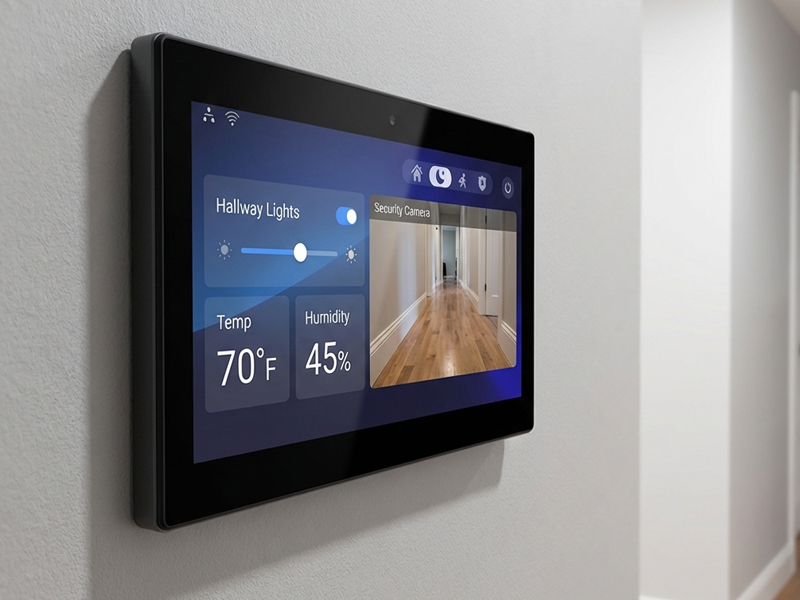
smart home control panel-1
Can a Linux Smart Panel Connect to Other Smart Home Protocols?
Affirmative. Beyond Modbus compatibility, Linux smart control panels are capable of integrating with the following protocols:
WiFi
Utilized for:
- Internet of Things devices
- Cloud-based platforms
Bluetooth
Utilized for:
- Sensor connectivity
- Mobile device pairing
Zigbee
Implemented through gateway solutions for:
- Intelligent lighting systems
- Cordless sensor networks
Matter
Implemented through compatible controllers or gateway solutions for:
- Cross-brand smart home ecosystem integration
- Illustrative Case Study: Portworld Linux Smart Control Panel Solution
Portworld specializes in delivering tailored smart touch control panels designed for building automation systems.
A 10-inch Linux smart control panel may be customized to include:
Hardware Components
- ARM-architecture processor
- 10-inch IPS display panel
- WiFi and Bluetooth connectivity
- Ethernet connectivity
- RS485 serial interface
- Power over Ethernet capability
Software Components
- Customizable Linux operating system
- Qt and LVGL user interface development
- Modbus RTU and TCP protocol integration
- Proprietary building automation applications
Implementation Scenarios
- Heating, ventilation, and air conditioning system management
- Hospitality facility automation
- Commercial building operations management
- Residential smart home systems
Original Equipment Manufacturer and Original Design Manufacturer Customization Capabilities
For building automation initiatives, manufacturers are able to customize the following components:
Display Options
- 7-inch / 10-inch / 15.6-inch display panels
- Screen resolution specifications
- Display brightness levels
- Touch interface technology
Communication Protocols
- RS485 Modbus connectivity
- Ethernet connectivity
- WiFi connectivity
- Bluetooth connectivity
- CAN bus connectivity
Software Configuration
- Linux operating system distribution selection
- Custom user interface design
- Protocol integration capabilities
- Custom application development
A 10-inch Linux-based intelligent control panel delivers comprehensive support for Modbus communication in building automation environments. Utilizing either RS485 Modbus RTU or Ethernet Modbus TCP protocols, the panel facilitates seamless communication with heating, ventilation, and air conditioning systems, energy measurement devices, illumination control systems, and additional building management infrastructure.
For commercial facilities, hospitality establishments, and industrial applications, a Linux-powered touchscreen control panel delivers an adaptable solution by incorporating:
- Expansive touchscreen display interface
- Unrestricted Linux software architecture
- Modbus protocol communication capability
- Tailored automation application solutions
- Straightforward compatibility with current building management system infrastructure