Why Use Linux for an Industrial Smart Control Panel?
Linux Smart Control Panels for Industrial Automation
In the realm of industrial automation, the selection of a smart control panel hinges on factors such as reliability, flexibility, and the capacity for long-term operation. Unlike consumer-grade devices, industrial control terminals are often required to function continuously, interface with various machines, and accommodate tailored software environments.
A smart control panel powered by Linux presents a robust solution for industrial applications, delivering extensive system customization, consistent performance, and excellent hardware compatibility. It is extensively utilized in industrial Human-Machine Interfaces (HMIs), equipment monitoring, Internet of Things (IoT) gateways, and automation control systems.
High Stability for 24/7 Industrial Operation
Devices operating in industrial settings must demonstrate reliability over extended periods. Linux is renowned for its stability and effective resource management.
A Linux-based smart control panel can provide:
- Long-term continuous operation
- Optimized system performance
- Dependable background services
- Minimized system downtime
For factories, production lines, and industrial machinery, this reliability is crucial for ensuring seamless operations and reducing maintenance needs.
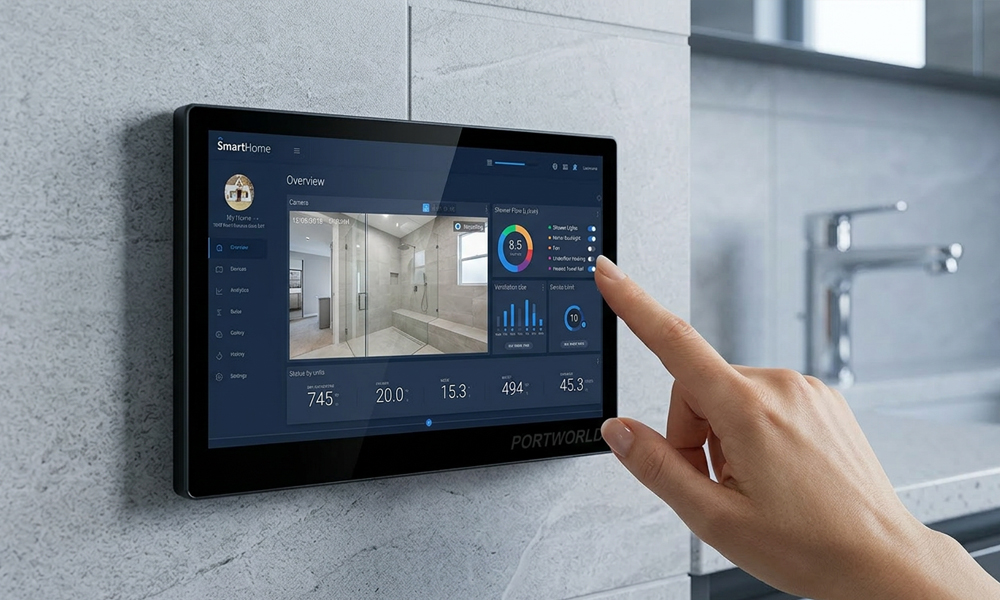
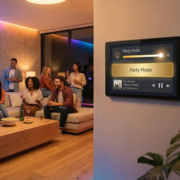
10 inch smart home control panel
In-depth Hardware Customization and Integration
A significant benefit of Linux is its capacity for low-level hardware management.
Developers have the ability to tailor:
- Linux kernel
- Device drivers
- Boot sequence
- Hardware interfaces
- Communication protocols
This adaptability renders Linux particularly suitable for industrial smart panels that require connectivity with various types of equipment, such as:
- PLC controllers
- Sensors
- Industrial machinery
- Motor controllers
- Data acquisition systems
By utilizing interfaces like RS485, CAN, Ethernet, UART, and GPIO, Linux panels can seamlessly integrate into intricate automation settings.
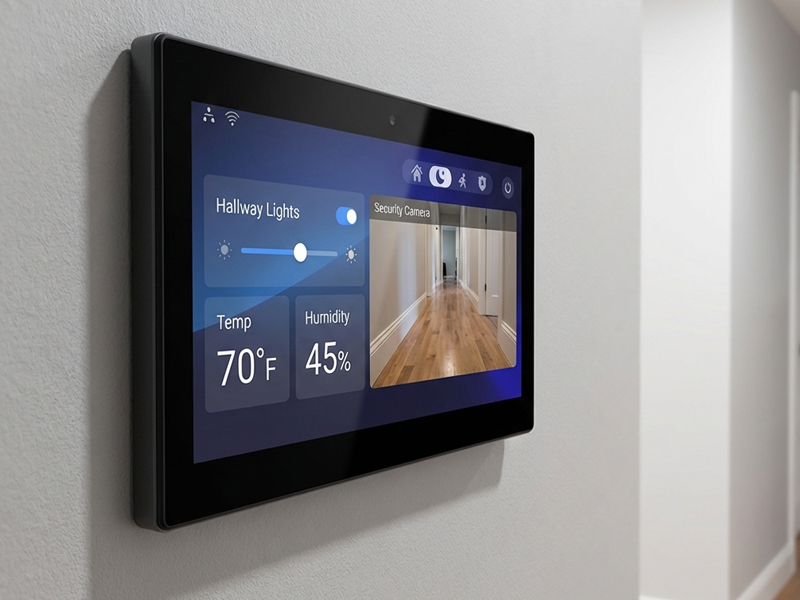
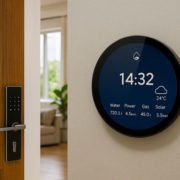
smart home control panel-1
Robust Development of Industrial HMIs
Contemporary industrial control panels necessitate seamless and user-friendly graphical interfaces. Linux accommodates a variety of HMI development frameworks, such as:
Qt/QML
Qt/QML is extensively utilized for industrial touchscreen applications due to its ability to deliver:
- Contemporary graphical interfaces
- Fluid animations
- Tailored UI design
- Support for hardware acceleration
It is frequently employed in:
- Industrial HMIs
- Medical devices
- Automation terminals
- Smart building management systems
LVGL
For lightweight embedded applications, LVGL offers an effective solution with minimal hardware demands.
It is ideal for:
- Compact industrial panels
- IoT terminals
- Embedded control interfaces
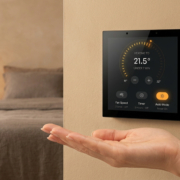
smart home control panel
Enhanced Security and System Oversight
Industrial systems necessitate robust security measures and regulated software environments.
Linux offers several benefits, including:
- Transparency in open-source security
- Tailored user permissions
- Configuration of firewalls
- Management of secure networks
- Minimized unnecessary system services
Manufacturers have the capability to create tailored Linux systems that include only essential components, thereby mitigating potential security vulnerabilities.
Versatile Operating System Alternatives
Linux-based smart control panels can accommodate various embedded operating systems based on specific project needs.
Commonly utilized options comprise:
- Debian
- Ubuntu
- Yocto Linux
- Buildroot
For instance:
Yocto Linux is particularly suited for organizations that require a completely customized embedded system with optimized firmware, drivers, and software packages.
Debian and Ubuntu are appropriate for applications that demand a familiar Linux environment and facilitate easier software deployment.
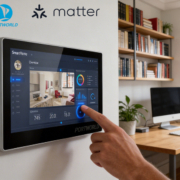
smart control panel1
Applications of Linux Industrial Smart Control Panels
Linux smart control panels find extensive applications in:
- Industrial Automation
- Machine control
- Equipment monitoring
- Production line management
- Process visualization
- Smart Factory Systems
- Data collection
- Industrial IoT gateways
- Remote device management
- Manufacturing monitoring
- Energy Management
- Power monitoring
- Smart meters
- Building energy control
- Medical and Professional Equipment
- Device operation interfaces
- Data visualization
- Embedded control systems
Portworld Linux Smart Control Panel Solutions
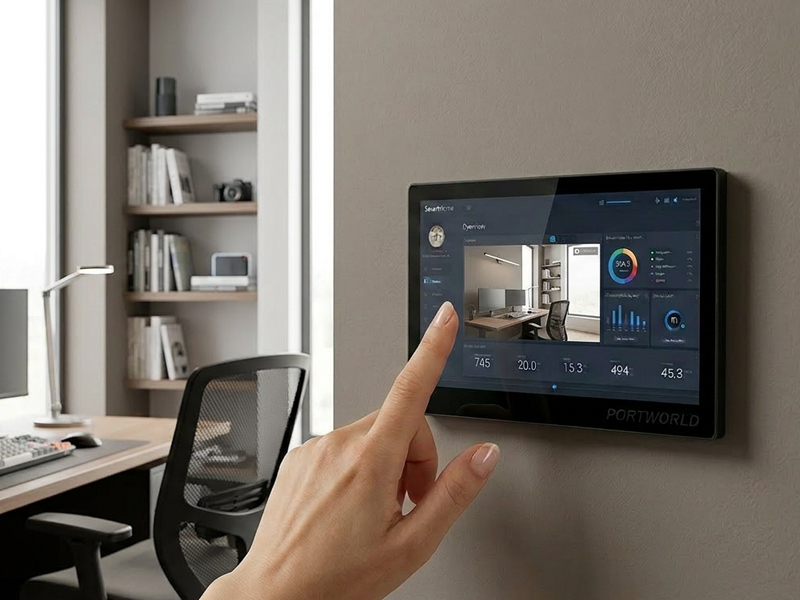
Portworld offers Linux-compatible smart touch control panels tailored for industrial automation, IoT, and commercial uses.
The YC-SM41P 4-inch smart control panel serves as a compact embedded solution that supports Linux development. It features RS485, Ethernet, WiFi, Bluetooth, and PoE options, making it ideal for industrial HMI, smart switches, and IoT control applications.
The YC-SM43P ESP32-S3 smart HMI panel delivers an efficient embedded platform with LVGL support, along with Ethernet, RS485, WiFi, and Bluetooth connectivity for tailored industrial interfaces.
For applications requiring higher performance, Portworld provides RK3566/RK3568-based smart panels, including the YC-SM08P, YC-SM10P, and YC-SM14P, which support Linux, Debian, Ubuntu, and Buildroot systems. These panels offer robust processing capabilities for industrial HMI, building automation, and intelligent control systems.
smart home control panel-1
OEM/ODM Linux Smart Panel Customization
Industrial projects frequently necessitate tailored hardware and software solutions. Portworld offers comprehensive OEM/ODM services, which include:
- Yocto Linux BSP customization
- Kernel and driver development
- Qt/QML interface development
- Custom firmware
- Communication protocol integration
- PCBA customization
- Enclosure design
- Branding and logo customization
These services enable industrial automation firms to develop dependable and application-specific smart control panels.
Linux stands out as an exceptional option for industrial smart control panels due to its high stability, extensive customization capabilities, robust hardware integration, and versatile software development alternatives.
For sectors such as industrial automation, smart factories, and professional IoT applications, Linux-based panels provide the necessary control and reliability for sustained deployment.