
Why Data Collection Is the Key to the Future of Embodied AI and Humanoid Robots
Introduction: The Upcoming Challenge for Intelligent Robots Is Data
The evolution of humanoid robots is progressing into a new phase. While conventional robotics has primarily concentrated on mechanical design, motion control, and hardware efficiency, the forthcoming generation of intelligent robots necessitates a more profound comprehension of the physical environment.
This is where embodied AI becomes significant.
In contrast to traditional AI systems that predominantly handle digital data, embodied AI empowers machines to perceive their surroundings, interpret commands, and execute actions in the physical world. To realize this potential, robots require more than just high-performance processors or sophisticated mechanical designs — they demand extensive volumes of high-quality real-world data.
With the swift advancement of Vision-Language-Action (VLA) models and world models, the collection of data has emerged as one of the most crucial foundations for training intelligent robots.
Why Is Extensive Robot Training Data Necessary for VLA Models?
A VLA model integrates three essential capabilities:
- Vision: Comprehending the surrounding environment through cameras and sensors.
- Language: Decoding human commands and intentions.
- Action: Carrying out physical movements via robotic systems.
For instance, when an individual states:
“Pick up the cup and place it on the table.”
A humanoid robot must grasp:
- What the cup appears like.
- Where the cup is situated.
- How to securely grasp it.
- The amount of force needed.
How to execute the movement in various environments.
This degree of intelligence cannot be attained solely through simulation or basic programming. Robots must acquire knowledge from real-world experiences, underscoring the importance of robot data collection.
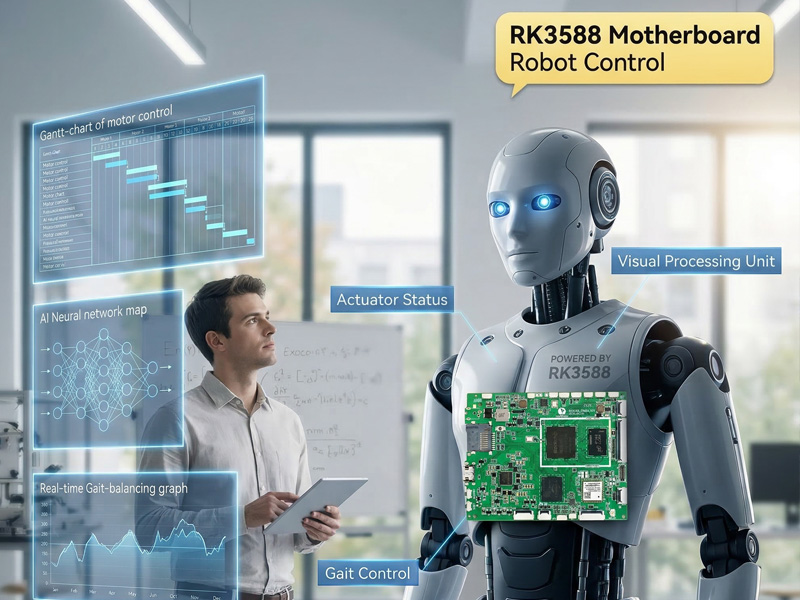
RK3588 Mainboard
Three Primary Categories of Data Collection for Embodied AI
1. Ego Data: Learning From Human First-Person Experience
Ego data is gathered using wearable devices, such as head-mounted cameras.
This method captures the environment from a human viewpoint, documenting how individuals perceive and engage with their surroundings during everyday activities.
Typical information collected includes:
- First-person visual observations
- Human interaction scenarios
- Environmental changes
- Object manipulation processes
The primary benefit of Ego data is its scalability. It can amass substantial volumes of varied real-world experiences at a relatively low cost.
This characteristic renders it invaluable for educating AI models about general human activities and environments.
2. UMI Data: Constructing Standardized Human Operation Datasets
UMI (Universal Manipulation Interface) is dedicated to gathering human manipulation behaviors through lightweight operational devices.
In contrast to basic video recording, UMI offers more organized action data, enabling AI models to comprehend how humans execute specific tasks.
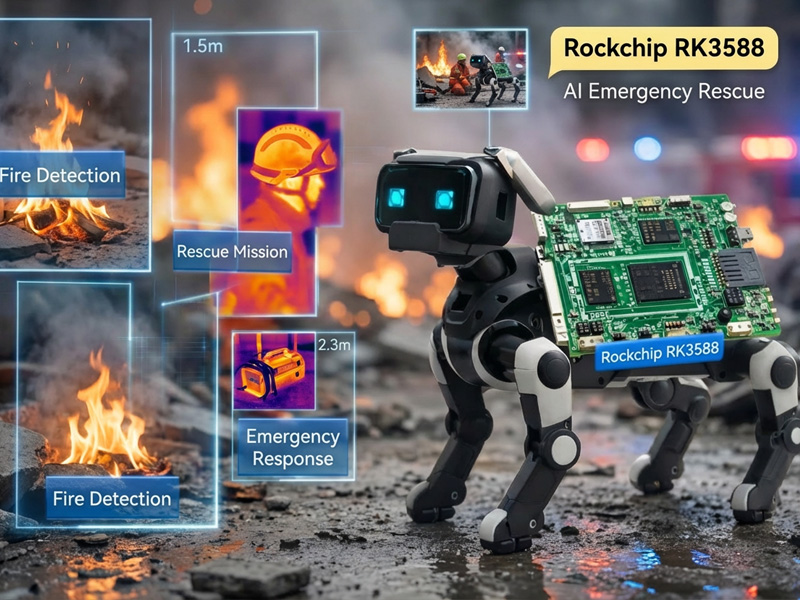
RK3588 Mainboard
Information collected may encompass:
- Hand movement trajectories
- Operation commands
- Manipulation sequences
- Interaction patterns
Due to its standardized format and manageable costs, UMI data is well-suited for developing industrial-scale robot training datasets.
3. Teleoperation Data: High-Quality Robot Demonstration Data
Teleoperation enables humans to control robots directly while simultaneously recording various types of information.
During this process, systems can gather:
- Camera images
- Robot motion data
- Joint information
- Force feedback
- Environmental responses
In comparison to other methods, Teleoperation offers exceptionally accurate demonstrations of robot behavior.
Despite the higher costs associated with data collection, this method is particularly beneficial for intricate industrial tasks where precision and reliability are paramount.
The Role of Edge AI Computing in Robot Data Processing
As the volume of robot data continues to expand, the need for efficient computing infrastructure becomes increasingly critical.
Humanoid robots produce substantial amounts of multimodal data from:
- Cameras
- Sensors
- Motion controllers
- AI models
Processing all this information in the cloud may lead to latency and connectivity issues. Consequently, edge AI computing is emerging as a vital component of contemporary robotics systems.
AI edge devices can offer:
- Real-time data processing
- Faster response times
- Local AI inference
- Enhanced system reliability
Embedded platforms utilizing high-performance processors, such as AI computing boxes and industrial-grade motherboards, facilitate the connection between data collection and the intelligent deployment of robots.
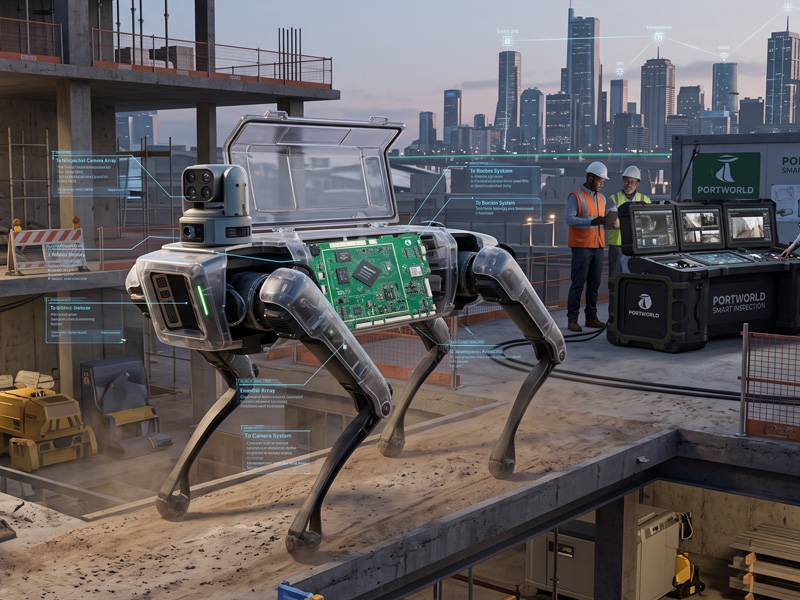
rk3588 motherboard
Data Will Shape the Future of Robotics
The upcoming competition in robotics will hinge not only on the construction of more robust robots but also on the advancement of superior learning systems.
Enhanced data results in:
- More precise robot perception
- More seamless human-robot interaction
- More dependable autonomous functioning
- Accelerated AI model enhancement
From Ego data and UMI interfaces to Teleoperation systems, each method of data collection plays a vital role in the development of the next generation of intelligent machines.
As embodied AI progresses, the integration of data collection, AI computing, and embedded hardware infrastructure will serve as the cornerstone for future innovations in robotics.
The emergence of VLA models and world models is revolutionizing the way robots learn and engage with the physical environment. High-quality training data for robots is increasingly recognized as an essential asset for the creation of intelligent humanoid robots.
By merging sophisticated data collection techniques with robust edge AI computing solutions, the robotics sector is advancing towards a future where machines can genuinely comprehend and function within real-world settings.
Data is not merely the fuel for AI — it is the bedrock of embodied intelligence.

