What Is the Difference Between OEM and ODM Smart Home Control Panels?
When sourcing smart home control panels, brands, distributors, and system integrators often face an important decision: should they choose an OEM or ODM solution?
Both models allow businesses to develop smart home control panels under their own brands, but they differ in product design responsibility, customization flexibility, development costs, and time to market. Understanding these differences helps businesses choose the right manufacturing model for their projects.
1. OEM versus ODM: Understanding the Distinction
Original Equipment Manufacturing
OEM is typically appropriate when a customer possesses distinct product specifications, a pre-existing design, or established hardware and software parameters. The manufacturer fabricates the panel in accordance with the mutually agreed specifications.
Based on the project scope, customization may encompass the motherboard, connectivity interfaces, housing design, operating system, software applications, and corporate branding.
Original Design Manufacturing
ODM is typically appropriate when a customer intends to leverage an established product design or hardware architecture previously developed by the manufacturer, incorporating modifications as needed.
Customers frequently have the opportunity to personalize the trademark, packaging materials, user interface, software settings, or particular hardware components without constructing the entire product independently.
The fundamental difference lies in which party originates the product design and the extent of customization required for the engagement. In practical applications, OEM and ODM services frequently intersect, necessitating clarification of the precise scope with the manufacturer.
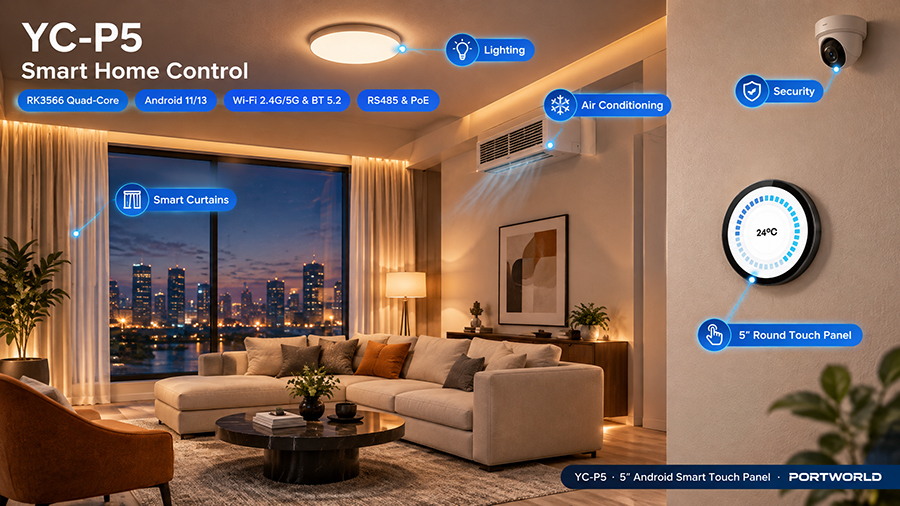
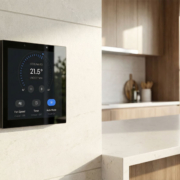
YC-P5 smart home control panel
2. Key Differences Between OEM and ODM
| Comparison | OEM | ODM |
|---|---|---|
| Product design | Based on customer specifications or an agreed custom design | Based primarily on the manufacturer’s existing design |
| Hardware customization | Can support deeper customization, subject to project scope | Usually focuses on available configurations and supported modifications |
| PCB/PCBA development | May include custom motherboard or PCBA development | Often uses an existing motherboard or hardware platform |
| Software customization | Can be tailored to project requirements | Usually starts from existing software, with supported modifications |
| Development cost | Often higher for substantial custom engineering | Often lower when the existing platform meets requirements |
| Development time | May be longer due to design and validation | Often shorter when fewer changes are needed |
| Initial investment | Depends on engineering scope, tooling, and validation | Can be lower when new hardware development is unnecessary |
| Best suited for | Differentiated products with specific technical requirements | Faster product launches and brand customization |
These represent general patterns rather than absolute prescriptions. An intricate ODM initiative may necessitate substantial technical development, whereas an OEM undertaking leveraging an established platform may prove comparatively uncomplicated.
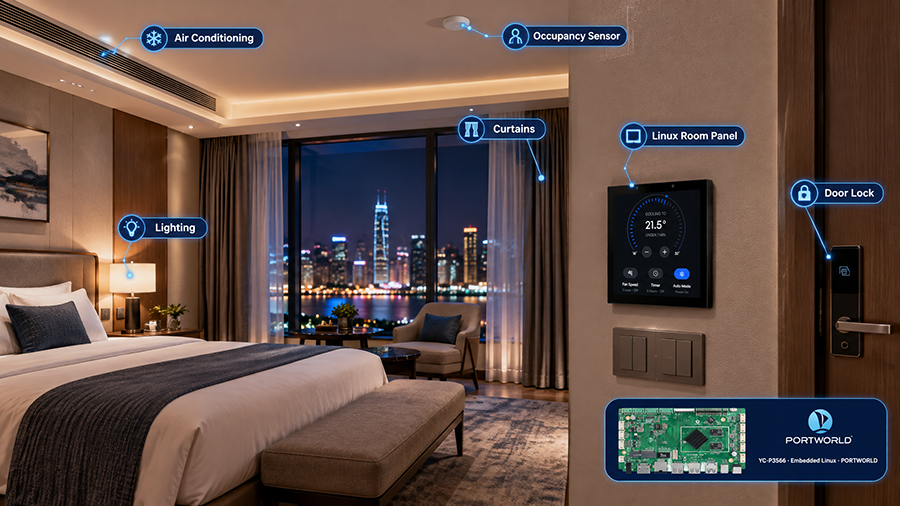
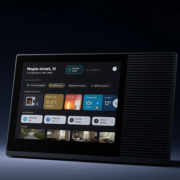
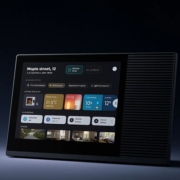
YC-P3566 Linux smart home control panel
3. When Should You Opt for OEM?
OEM represents an appropriate selection when your organization requires a smart home control panel engineered to address particular product specifications rather than merely applying a new brand to a conventional device.
For instance, you may require a panel featuring a designated screen dimension, a modified motherboard, specialized RS485 or KNX connectivity, a particular power supply configuration, or a customized Android or Linux environment.
OEM development may encompass:
- Proprietary motherboard and PCB/PCBA engineering.
- Central processing unit, memory capacity, and storage configuration selection.
- Tailored display proportions, pixel density, and luminosity.
- Incorporation of Ethernet, PoE, RS485, KNX, or supplementary interfaces.
- Android or Linux platform customization.
- Proprietary user interface, software integration, and initialization protocols.
- Housing, structural framework, corporate identity, and distribution packaging design.
Consider a building intelligence enterprise creating a distinctive wall-affixed control interface for hospitality accommodations. The apparatus may necessitate interfacing with a specialized facility management infrastructure, conforming to a particular wall cavity dimension, and executing a purpose-built management application.
In this scenario, OEM development may prove more suitable because the hardware, software, and mechanical design components must integrate cohesively to align with the organization’s specific requirements.
Nonetheless, extensive customization typically demands increased engineering collaboration, iterative prototype evaluation, and comprehensive validation procedures prior to full-scale manufacturing.
4. When Should You Opt for ODM?
ODM represents the preferable alternative when your objective is to introduce a smart home control panel to market expeditiously without undertaking the complete hardware platform development independently.
A manufacturer may already provide multiple panel dimensions, processor specifications, operating system options, and connectivity solutions. You may select an appropriate configuration and tailor the functionalities that the platform supports.
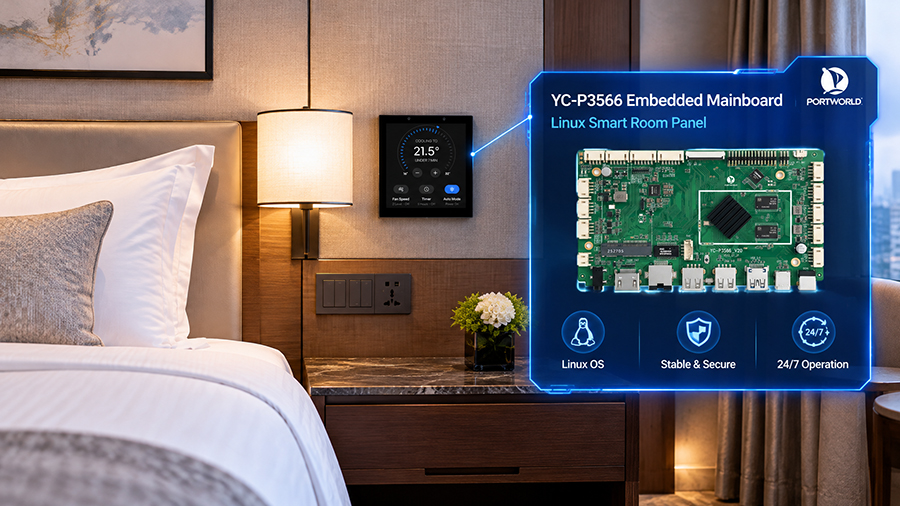
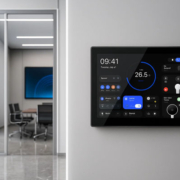
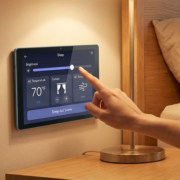
YC-P3566 Linux Smart home control panel
Representative ODM customization capabilities encompass:
- Corporate branding and product designation.
- Packaging materials and product identification.
- User interface aesthetics, graphical elements, and initialization display.
- Compatible Android or Linux software implementations.
- Configurable memory capacity, storage capacity, and connectivity interfaces.
- Optional enclosure finishes or structural enhancements.
As an illustration, a smart home enterprise may seek to introduce a 4-inch room management interface or a 10-inch primary control system under its proprietary brand identity. Should an existing panel adequately satisfy the initiative’s visual display, communication infrastructure, and application requirements, ODM can substantially diminish the necessity for original hardware engineering.
Original Design Manufacturing (ODM) presents a particularly compelling option for distributors, emerging enterprises, and system integrators seeking to assess market viability prior to committing substantial resources toward a fully bespoke product solution.
A critical factor to acknowledge is that the pre-existing design framework may impose constraints on the extent of product modifications feasible. Should your initiative necessitate a fundamentally distinct motherboard architecture, non-standard connectivity options, or an alternative housing design, the manufacturing partner may classify the undertaking as a more substantial customization engagement.
5. Original Equipment Manufacturing versus Original Design Manufacturing: A Residential Automation Interface Case Study
Consider a scenario in which your organization aims to engineer a wall-integrated touchscreen interface designed for regulating illumination systems, window coverings, climate control mechanisms, and intelligent home automation routines.
The appropriate selection is contingent upon the degree to which an existing product aligns with your specifications. OEM and ODM approaches are not inherently incompatible; an initiative may commence with an ODM platform and subsequently incorporate more substantial hardware modifications.
6. In What Manner Does Portworld Facilitate OEM and ODM Smart Home Control Panels?
Portworld delivers smart home touch control panels available in multiple dimensions and embedded hardware configurations. Contingent upon the chosen platform and project parameters, customers may assess current offerings or engage in discussions regarding more comprehensive customization.
For ODM-focused initiatives, customers may commence with an existing panel and investigate available alternatives for brand identity, user interface, software settings, and hardware options.
For OEM-focused initiatives, the scope may encompass hardware selection, motherboard or PCBA modification, operating system customization, communication interface incorporation, user interface development, and mechanical engineering.
Portworld’s product portfolio encompasses the following examples:
- YC-SM41P: A compact 4-inch touchscreen panel intended for room-level control functions.
- YC-P5: A 5-inch circular touchscreen panel for projects necessitating an alternative form factor.
- YC-SM55P: A 5.5-inch touchscreen panel designated for compact smart home and control functions.
- YC-SM10P: A 10-inch panel for applications that benefit from an expanded display surface.
- YC-SM41P-KNX: A panel engineered for KNX-based smart building control, subject to the designated hardware and software specifications.
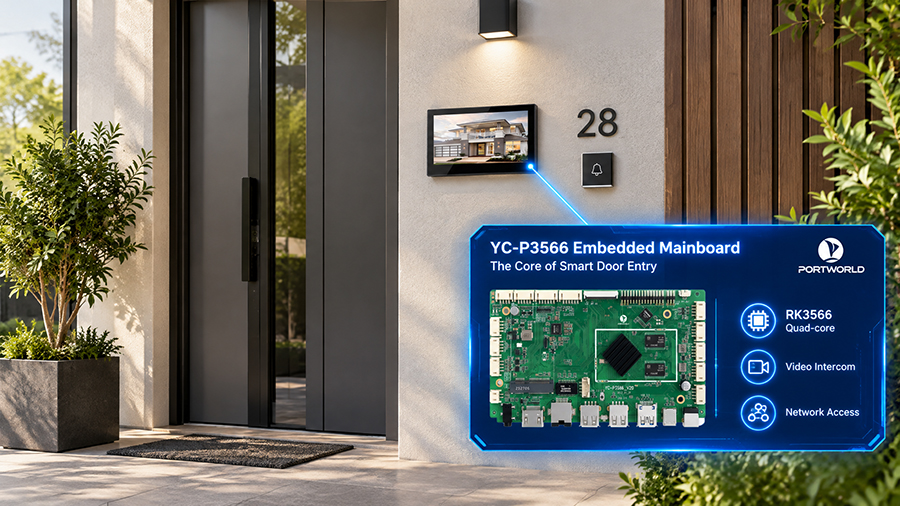
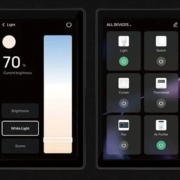
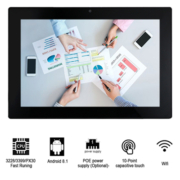
YC-P3566 Smart home control panel
Detailed specifications and obtainable customization possibilities differ according to model and project requirements. Prior to platform selection, verify the processor specifications, compatible operating systems, display characteristics, connectivity options, electrical requirements, and system integration compatibility.
7. How to Choose the Right Manufacturing Model
Before requesting a quotation, prepare a clear product brief covering the most important requirements.
| Requirement | Questions to clarify |
|---|---|
| Display | What screen size, resolution, brightness, and touch functionality are required? |
| Processor | Is an existing platform suitable, or is a different processor necessary? |
| Operating system | Do you need Android, Linux, or another embedded platform? |
| Connectivity | Are PoE, Wi-Fi, Bluetooth, RS485, KNX, or Zigbee required? |
| Software | Can you use an existing application, or do you need custom development? |
| Mechanical design | Can you use the existing enclosure, or do you need a custom structure? |
| Branding | Do you need a logo and packaging, or a fully differentiated product design? |
| Production | What are your expected quantities, validation requirements, and long-term supply needs? |
If most requirements can be met by an existing panel, ODM is often the practical starting point. If the product needs a distinct hardware architecture, specialized interfaces, or substantial mechanical and software changes, OEM may be more suitable.
Also clarify who owns the custom designs, source code, and other project-specific intellectual property; what engineering and tooling costs apply; and what support is available for future revisions.