What Is a Smart Control Panel and How Does It Work?
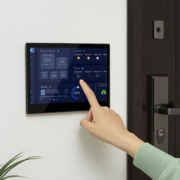
As smart homes and intelligent buildings become increasingly interconnected, conventional switches are progressively transforming into interactive control terminals. A smart control panel is a wall-mounted touchscreen device that enables users to oversee lighting, HVAC, curtains, security systems, and IoT devices through a unified interface.
In contrast to traditional switches that merely offer basic on/off capabilities, smart control panels integrate touchscreen interaction, embedded computing, communication technologies, and tailored software to deliver a more intelligent and user-friendly control experience.
What Is a Smart Control Panel?
A smart control panel is a touchscreen device embedded within a wall, specifically designed to manage and monitor interconnected systems in residential, hospitality, office, and commercial environments.
Typically, it comprises:
- Touchscreen display
- Embedded processor
- Operating system
- Communication modules
- Control software
- Wall-mounted installation structure
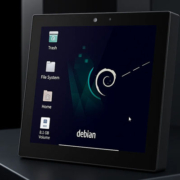
Depending on the intended use, smart panels can operate on various operating systems such as:
- Android
- Linux
- Debian
- Ubuntu
- Yocto Linux
They can also be tailored for diverse automation platforms and IoT ecosystems.
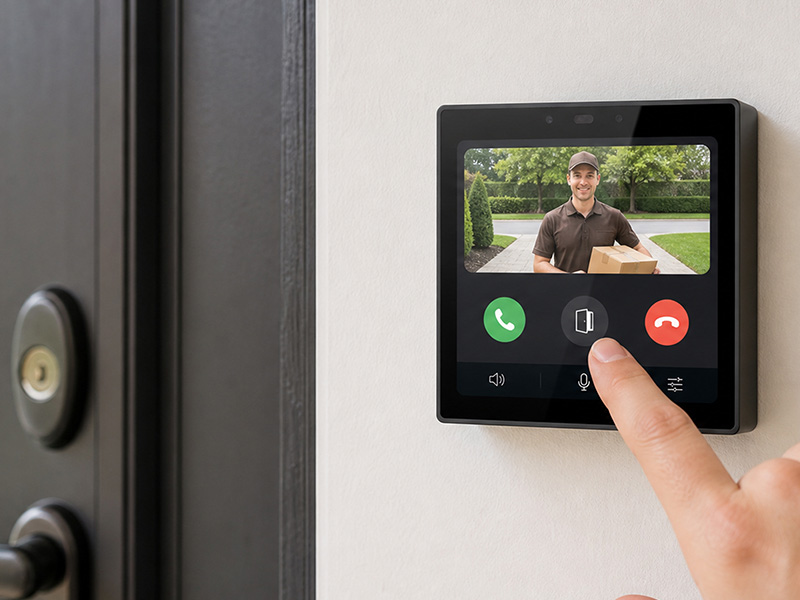
4″ Smart Control Panel
How Does a Smart Control Panel Function?
A smart control panel serves as the central hub for interaction between users and their connected devices.
The fundamental workflow is as follows:
User Touch Input → Smart Panel Processing → Communication Protocol → Connected Device Control
For instance, when a user selects “Living Room Lights ON” on the touchscreen:
- The touch sensor registers the command.
- The integrated processor analyzes the request.
- The software transmits a control signal via a communication protocol.
- The connected lighting system acknowledges the command.
- The smart panel updates and displays the current status.
This sequence occurs within seconds, ensuring a seamless and user-friendly experience.
Core Components of a Smart Control Panel
1. Touchscreen Display
The touchscreen serves as the primary interface for interaction.
Contemporary smart panels typically utilize:
- IPS LCD displays
- Capacitive touch technology
- Multi-touch gestures
- High-resolution graphical interfaces
Screen dimensions range from compact 4-inch wall switches to larger 10-inch or 14-inch smart building terminals.
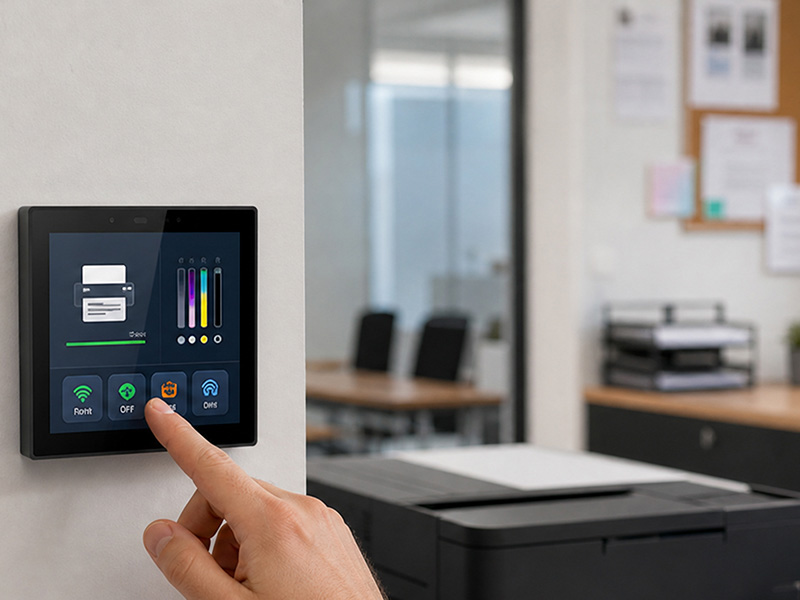
ESP32 4″ Smart Touch Panel
2. Embedded Processor
The processor is crucial in determining the smart panel’s performance.
Various applications necessitate different levels of computing power:
Compact IoT Panels
- ESP32-S3
- Low-power ARM processors
Smart Home & Building Control
- Rockchip RK3566
- RK3568
- RK3588
A more robust processor enables:
- Quicker UI response
- Enhanced graphics
- Local AI processing
- Support for more complex applications
3. Communication Interfaces
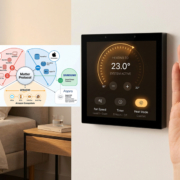
Smart control panels interact with various devices utilizing both wired and wireless technologies.
Common options include:
Wireless Communication
- WiFi
- Bluetooth
- Zigbee
- Thread
Wired Communication
- Ethernet
- PoE
- RS485
- KNX bus
In commercial automation projects, wired communication is typically favored due to its stability and long-term reliability.
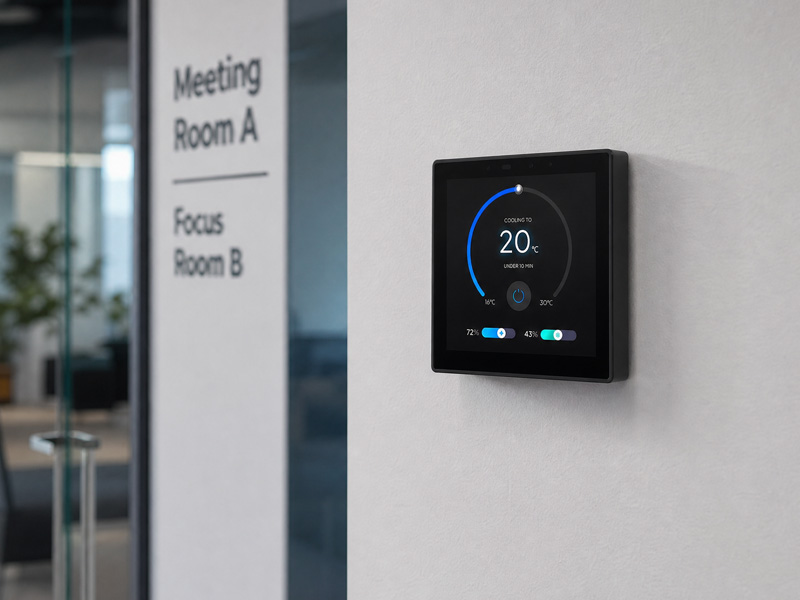
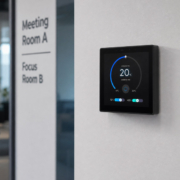
smart home control panel
What Can a Smart Control Panel Control?
Smart panels facilitate numerous automation functions.
Smart Home Applications
Users have the ability to control:
- Smart lighting
- Air conditioning
- Curtains and blinds
- Security systems
- Energy monitoring
A single wall panel can substitute multiple conventional switches while offering a visual control interface.
Hotel Room Automation
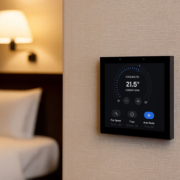
Hotels implement smart panels to enhance guest experiences.
Functions include:
- Lighting scenes
- Temperature control
- Do-not-disturb settings
- Service requests
- Curtain control
Customized welcome screens and hotel branding can also be incorporated.
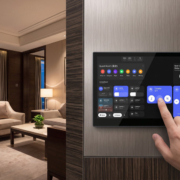
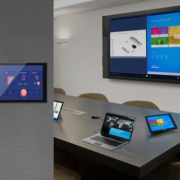
In commercial buildings and offices, smart panels serve the following purposes:
- Management of meeting rooms
- Control of HVAC systems
- Automation of lighting
- Monitoring of energy usage
- Systems for building management
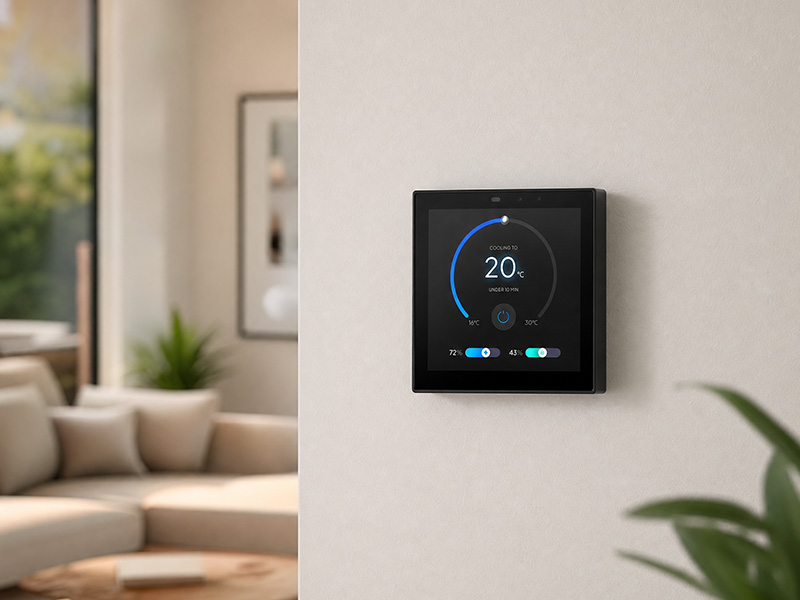
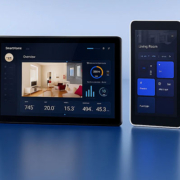
smart home control panel
Smart Control Panel vs Traditional Switch
| Feature | Traditional Switch | Smart Control Panel |
|---|---|---|
| Control Method | Physical button | Touchscreen interface |
| Functions | Single operation | Multiple systems |
| Display | No display | Real-time information |
| Customization | Limited | Flexible UI/software |
| Connectivity | Usually none | IoT/network integration |
Portworld Smart Control Panel Solutions
- Portworld specializes in the development of intelligent touch control panels designed for smart homes, hotels, offices, and industrial uses.
- Their offerings encompass both compact wall-mounted panels and larger smart terminals, which are built on various hardware platforms.
For instance:
YC-SM41P
- 4-inch smart touch control panel
- Supports Android/Linux
- Connectivity options include Ethernet, WiFi, and Bluetooth
- Features RS485 communication
- Offers Power over Ethernet (PoE) options
- Designed to be compatible with wall boxes
YC-SM43P
- Utilizes the ESP32-S3 smart HMI platform
- Incorporates the LVGL graphical interface
- Supports WiFi and Bluetooth 5.0
- Includes Ethernet and RS485 connectivity
- Designed for compact wall installation measuring 86×86mm
Additionally, Portworld offers OEM/ODM services that include:
- Custom PCBA design
- Tailored Android/Linux firmware
- Development of Yocto Linux BSP
- User interface design
- Customization of enclosures
- Logo printing services
A smart control panel transcends the functionality of a mere touchscreen switch. It serves as an intelligent interface that links users to smart devices, automation systems, and building infrastructure.
By integrating embedded processors, contemporary operating systems, and a variety of communication technologies, smart control panels deliver a versatile solution for smart homes, hotels, offices, and commercial buildings.