What Are the Smart Home Brands in China?
China has emerged as a prominent center for smart home technology globally, providing an extensive array of innovative products and brands. Ranging from lighting and security systems to smart panels and voice-activated devices, Chinese brands are propelling the global smart home market forward. This article will delve into some of the leading smart home brands in China, highlighting their specialties and explaining why they should be considered for your upcoming project.
1. Xiaomi (Mi Home)
Xiaomi stands out as one of the most well-known smart home panel brands in China. Renowned for its cost-effective yet feature-rich ecosystem, Xiaomi offers a diverse selection of devices:
Smart lighting and plugs
Security cameras and sensors
Air purifiers and thermostats
Smart speakers and voice assistants
The Mi Home app from Xiaomi enables users to manage multiple devices through a single interface, making it suitable for both novices and seasoned smart home enthusiasts.
2. Tuya Smart
Tuya is a prominent IoT platform and smart home brand in China, providing white-label solutions for various manufacturers. Its key features include:
Cloud-based device management
Integration with Alexa and Google Home
Support for WiFi, Zigbee, and Bluetooth protocols
Customizable smart panels and gateways
Tuya powers thousands of devices globally, enabling brands to deliver tailored smart home solutions without the need to develop their own software from the ground up.
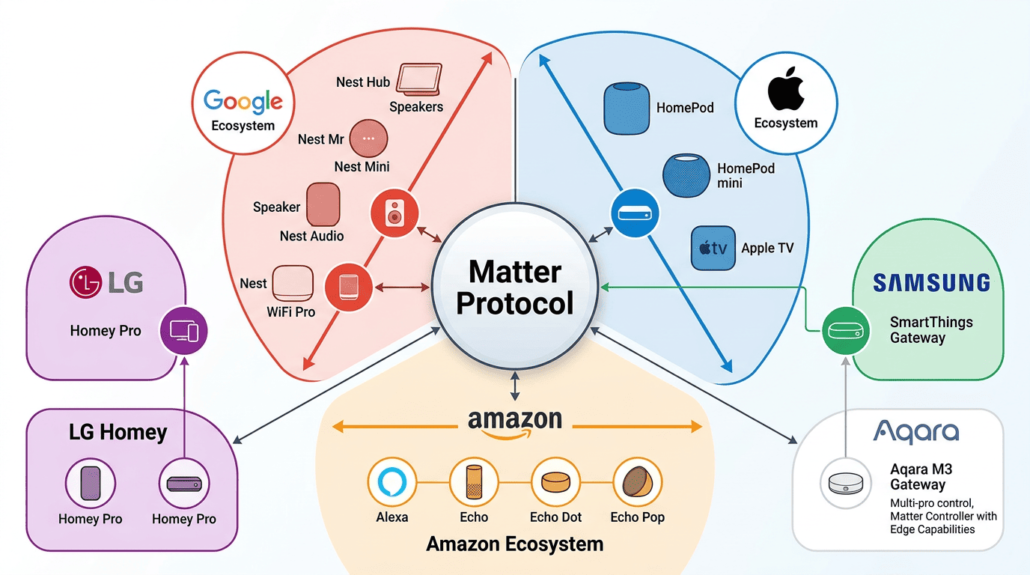
Matter协议生态系统地图
3. Aqara
Aqara specializes in Zigbee-based smart home devices and home automation systems. Their product range includes:
Sensors for doors, windows, temperature, and motion
Smart switches and light controllers
Wireless gateways for multi-device integration
Aqara products are recognized for their high compatibility with platforms such as Apple HomeKit, Google Assistant, and Amazon Alexa.
4. Sonoff
Sonoff is known for its cost-effective smart switches and relays, delivering dependable solutions for home automation. Their product range includes:
WiFi switches and smart plugs
DIY smart modules designed for retrofitting conventional appliances
Multi-protocol integration, including MQTT for sophisticated configurations
Sonoff’s open ecosystem has garnered popularity among DIY enthusiasts and developers aiming to create customized smart home systems.
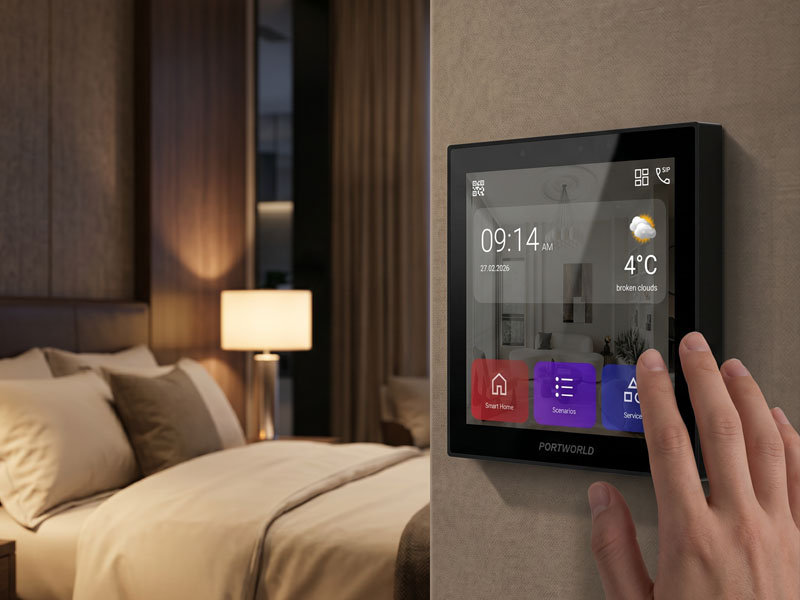
YC-SM41P-KNX
4″ KNX Smart Touch Control Panel
5. BroadLink
BroadLink provides smart home hubs, IR/RF controllers, and universal remotes, emphasizing the automation of traditional appliances. Key features include:
Centralized control via mobile applications
Automation capabilities for TVs, air conditioning units, and other IR devices
Integration with Alexa and Google Assistant
BroadLink is extensively utilized in apartments, hotels, and commercial environments for its cost-effective and adaptable smart control solutions.
6. Portworld
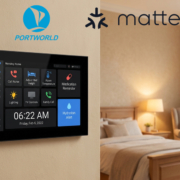
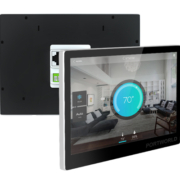
Portworld, also referred to as Sunworld, offers premium smart home panels and IoT solutions suitable for both residential and commercial use. Their product offerings consist of:
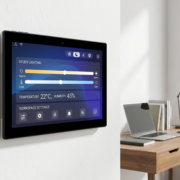
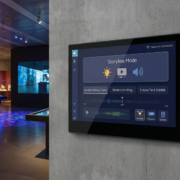
- Smart touch control panels (available in 4-inch, 5-inch, and 10-inch sizes)
- Industrial PoE panels for automation and building management
- OEM/ODM customization services for both hardware and software
- Integration capabilities with lighting, HVAC, security systems, and curtains
Portworld is dedicated to delivering professional-grade smart home and office automation products, ensuring compatibility with Android, Linux, and Windows systems, along with multi-protocol support that includes RS485, Zigbee, and WiFi.
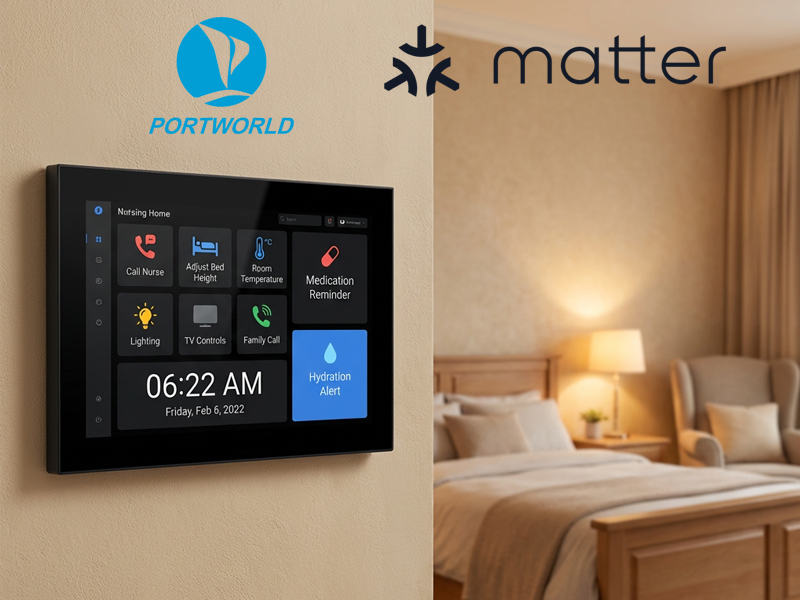
smart control panel-1
Key Considerations When Choosing a Chinese Smart Home Brand
- Compatibility: Verify that the devices are compatible with existing systems and popular platforms such as Google Home, Alexa, or HomeKit.
- Protocol Support: Common protocols include WiFi, Zigbee, Bluetooth, and RS485. Devices that support multiple protocols provide greater flexibility.
- Customization: Brands like Portworld and Tuya offer OEM/ODM solutions for personalized smart home projects.
- Reliability: Seek out devices that demonstrate stable performance, offer OTA updates, and provide local support.
- Price vs Performance: Strive to find a balance between affordability and quality, particularly for large-scale implementations.