Android vs Yocto Linux: Which OS is better for a premium smart home panel?
The smart home sector is progressing towards more intelligent, interconnected, and tailored control experiences. Contemporary homeowners and building managers anticipate that wall-mounted smart panels will offer more than just basic device switching. They seek smooth touch interactions, visually appealing user interfaces, dependable performance, and seamless integration with various automation systems.
At the core of every high-end smart home panel lies an embedded operating system that influences the user experience, system reliability, and customization options. The most prevalent choices include Android and Yocto Linux.
Thus, when considering Android versus Yocto Linux: Which operating system is superior for a high-end smart home panel? The answer is contingent upon the product’s market positioning, application needs, and long-term development strategy.
The Operating System Shapes the Smart Panel Experience
A smart home panel functions as an embedded computer mounted on the wall. It must handle touchscreen interactions, communicate with smart devices, provide graphical interfaces, and support automation applications.
For consumer-focused smart home products, a rich interface and rapid application development are typically prioritized. Conversely, for professional automation initiatives, system stability, security, and long-term maintenance may take precedence.
This illustrates that the choice between Android and Yocto Linux transcends a mere technical decision; it is fundamentally a strategic product decision.
Android Smart Home Panels: Versatile Interfaces and Accelerated Application Development
The Android operating system has emerged as a favored option for smart touch panels due to its well-established ecosystem and developer-friendly nature.
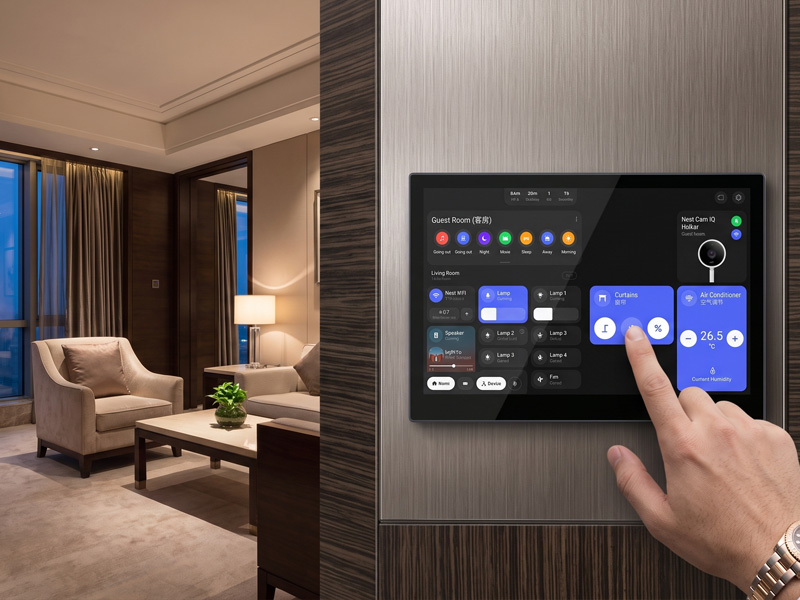
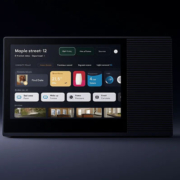
smart home control panel
For high-end smart home solutions, Android offers numerous benefits.
Firstly, Android facilitates the creation of sophisticated graphical interfaces. Developers can design visually appealing applications featuring animations, widgets, and user experiences akin to those found on smartphones. This capability renders Android ideal for upscale residences, hotels, and commercial environments where user engagement and aesthetics are paramount.
Secondly, Android promotes quicker application development. A significant number of developers are already familiar with Android frameworks, simplifying the process of creating tailored control applications.
Smart panels powered by Android are frequently utilized for:
- Smart home dashboards
- Hotel room management systems
- Video intercom devices
- Meeting room administration
- IoT control solutions
For brands seeking a user-friendly interface reminiscent of tablets or smartphones, Android frequently proves to be a sensible option.
Yocto Linux Smart Panels: Ultimate Control for Embedded Projects
Yocto Linux is specifically tailored for embedded systems, enabling manufacturers to exert complete control over the operating environment.
In contrast to general-purpose operating systems, Yocto empowers developers to create a bespoke Linux image that includes only the necessary components.
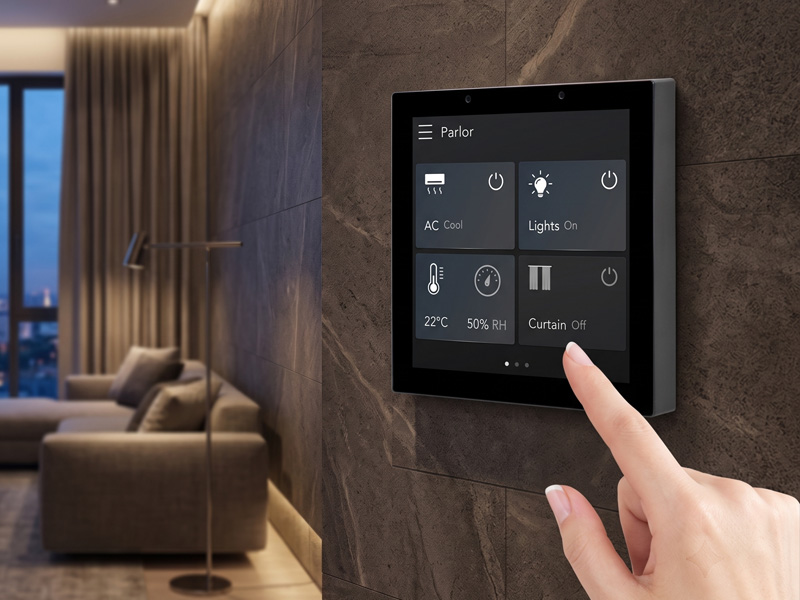
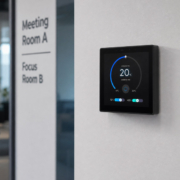
Smart Home Touch Control Panel
This offers significant benefits for high-end smart home panels utilized in professional projects:
- Enhanced system performance
- Quicker boot times
- Minimized software footprint
- Improved hardware management
- Long-term reliability
Yocto Linux is frequently chosen for applications where dependability and product lifecycle management are paramount.
For instance, extensive smart building initiatives, industrial automation systems, and tailored home automation solutions may opt for Yocto, as the system can be finely tuned to meet specific hardware and software needs.
Android vs Yocto Linux: Distinct Advantages for Varied Markets
The decision between Android and Yocto Linux is contingent upon the intended application.
Android is generally more appropriate when:
- A sophisticated graphical interface is necessary
- The inclusion of third-party applications is significant
- Rapid software development is essential
- The user experience resembles that of a tablet
Conversely, Yocto Linux is typically favored when:
- Long-term embedded stability is essential
- There is a need for precise optimization of hardware resources
- The product necessitates tailored firmware
- Security and system governance are of utmost importance
Neither operating system can be deemed superior universally. A high-end smart home panel manufacturer must choose the platform based on the specific requirements of the final product.
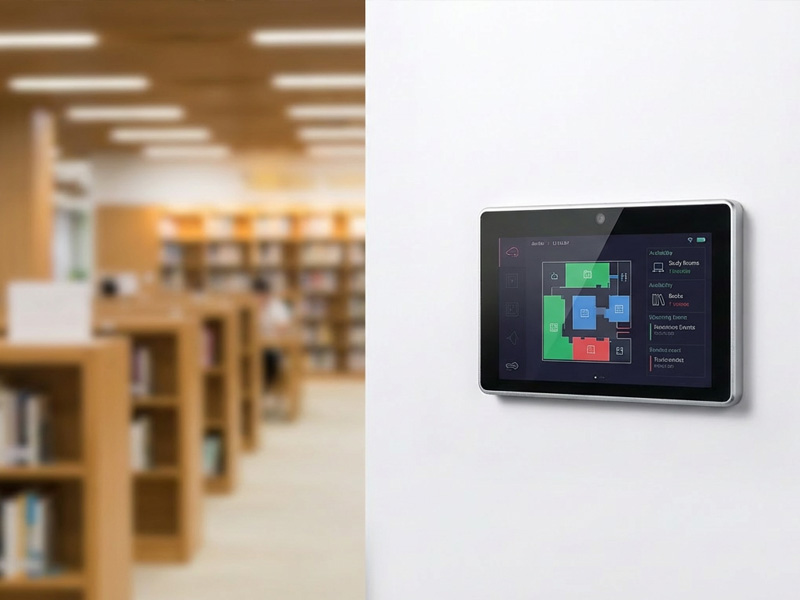
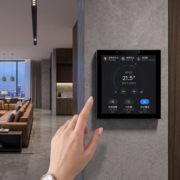
smart home control panel
Portworld Smart Home Panel Solutions Featuring Android and Linux Compatibility
Portworld offers tailored smart touch panel solutions for various environments, including smart homes, hotels, offices, and building automation systems.
Utilizing embedded platforms such as Rockchip RK3566, RK3568, RK3576, and RK3588, Portworld accommodates diverse operating systems based on client requirements, including Android, Linux, Ubuntu, Debian, Yocto Linux, and Buildroot Linux.
For instance, the YC-SM116P 11.6-inch smart touch control panel is specifically designed for sophisticated automation tasks. Equipped with the RK3568 processor, it supports both Android and Linux systems, offering a versatile hardware platform for personalized smart home solutions.
The panel features:
- A large IPS capacitive touchscreen
- Embedded wall installation
- Ethernet connectivity
- RS485 communication
- WiFi and Bluetooth capabilities
- An optional PoE power supply
For smaller room-level applications, the YC-SM41P 4-inch smart touch control panel delivers a compact embedded solution powered by the PX30 processor, compatible with both Android and Linux environments.
These platforms empower customers to select the most appropriate operating system to align with their product strategies.
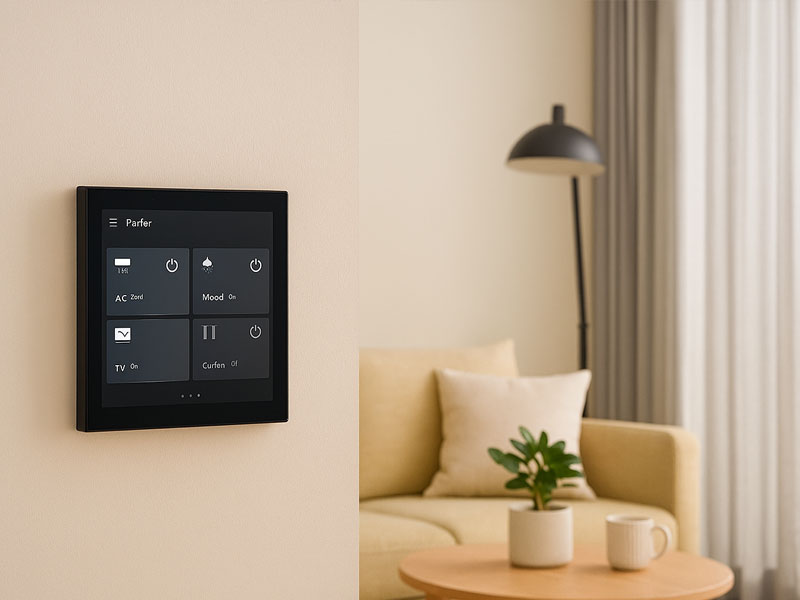
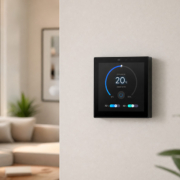
4″ Smart Home Touch Control Panel
Custom Firmware Development is Essential for High-Quality Smart Panels
Selecting an operating system is merely the initial step. To attain optimal performance, premium smart panels necessitate tailored firmware.
Portworld offers specialized embedded software solutions, which include:
- Customization of Android firmware
- Development of Yocto Linux images
- Personalization of Buildroot Linux
- Development of Board Support Packages (BSP)
- Integration of drivers
- Optimization of boot processes
- Customization of user interfaces and applications
This enables clients to design smart panels featuring distinctive interfaces, tailored functionalities, and enhanced system performance.
Guidelines for Selecting the Appropriate Operating System for Your Smart Home Panel Initiative
In choosing between Android and Yocto Linux for a high-end smart home panel, organizations should take into account several considerations:
- Target audience: Products aimed at consumers may gain from Android’s user-friendly interface, whereas professional systems might necessitate Linux customization.
- Project duration: Long-term commercial implementations typically demand more robust firmware management and maintenance capabilities.
- Software needs: The complexity of applications, user interface, and integration requirements will affect the optimal platform selection.
- Manufacturing approach: OEM/ODM projects frequently require adaptable hardware and software modifications to cater to various markets.