What Are the Benefits of a Wall-Mounted Smart Home Control Panel?
A wall-mounted smart home control panel serves as a unified interface for managing interconnected devices, regulating home environments, and streamlining daily interactions with smart home technology. In contrast to depending solely on mobile applications, remote controls, or individual switches, a dedicated wall-mounted panel offers users a permanent and accessible location for managing critical functions.
For homeowners, this solution can enhance convenience and foster a more systematized living space. For smart home manufacturers, system integrators, property developers, and hotel automation service providers, it can likewise facilitate a more cohesive user experience and demonstrate professional project execution.
This guide examines the principal advantages of wall-mounted smart home control panels, their prevalent use cases, and the essential considerations for evaluating an appropriate solution for your undertaking.
1. Consolidated Management of Smart Home Devices
A primary advantage of a wall-mounted smart home control panel is consolidated device administration.
Rather than alternating between numerous mobile applications or employing distinct controllers for separate systems, users can utilize supported capabilities through a singular platform. Contingent upon system configuration and device interoperability, these capabilities may encompass:
- Illumination regulation
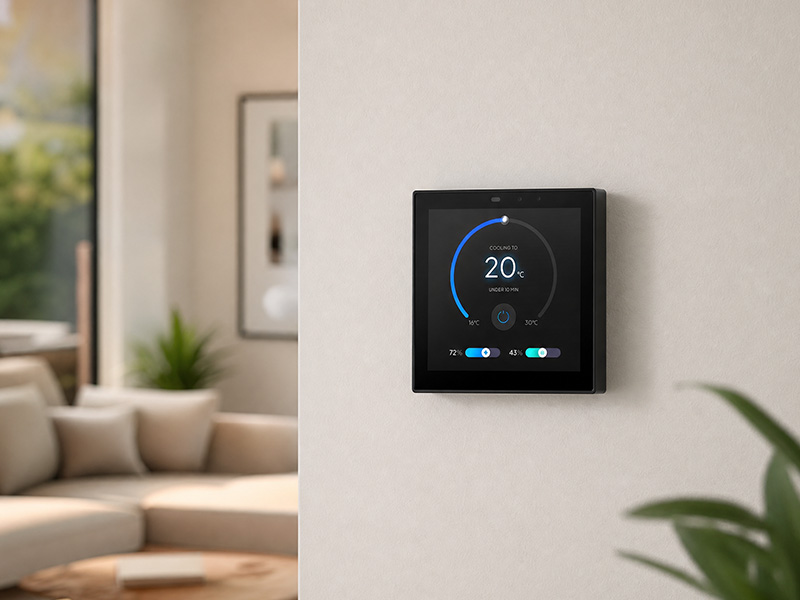
- Climate control and thermal management
- Motorized window coverings and shades
- Automated home scenarios
- Linked home automation equipment
- Other compatible infrastructure management systems
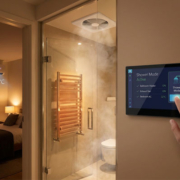
For instance, a user may initiate a “Welcome Home” scenario to activate designated lighting, modify interior climate conditions, and adjust window coverings via a single interface.
The specific capabilities depend on the integrated devices, communication standards, applications, and infrastructure coordination. A control panel should consequently be chosen based on the specifications of the comprehensive smart home infrastructure, rather than display dimensions exclusively.
2. Enhanced Convenience in Daily Operations
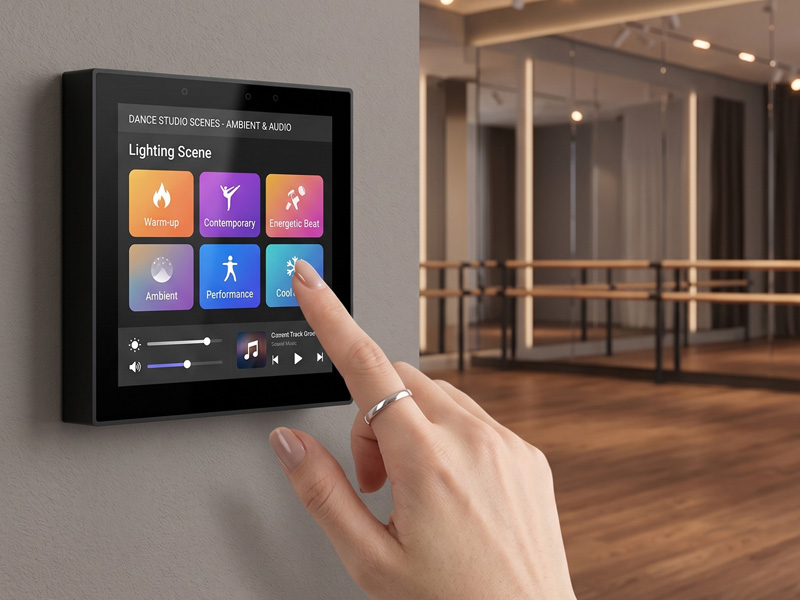
A wall-mounted control panel establishes a fixed, readily accessible location for managing smart home capabilities.
Household occupants and visitors can operate the system directly without needing to retrieve a smartphone, launch a dedicated application, or hunt for a remote device. This streamlines routine tasks, particularly for regularly used operations including illumination adjustment, temperature regulation, and preset scene selection.
A stationary control interface proves especially valuable in communal settings where numerous individuals require simultaneous access to identical controls.
For smart home technology providers, user experience represents a critical component of overall product quality. An intuitively designed interface enables users to recognize available capabilities and engage with the system more efficiently.
smart cotnrol panel6-1
3. A More Refined and Systematized Living Environment
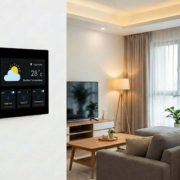
Wall-mounted smart home control panels contribute to a cleaner aesthetic by consolidating designated controls into a unified interface.
Instead of deploying multiple independent control devices throughout a single area, an installation may employ a touchscreen panel to integrate compatible operations. Based on the specific installation configuration, this approach can establish visual consistency throughout living areas, private bedrooms, corridors, and comparable spaces.
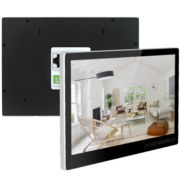
Panel dimensions, installation technique, display configuration, and surface treatment collectively determine how the device integrates into the architectural environment.
For property developers and design professionals, the panel functions as both an operational interface and an integral aesthetic component of the residence. Smaller panels accommodate areas with restricted wall availability, whereas larger touchscreen displays serve locations where occupants require access to expanded information or additional capabilities.
The optimal selection must reconcile aesthetic considerations, functional effectiveness, installation logistics, and the scope of operations users require.
4. Expedited Access to Intelligent Home Automation Scenes
Intelligent home automation scenes enable multiple compatible devices to execute a unified command simultaneously.
Utilizing a wall-mounted control interface, occupants can activate pre-configured scenes from a stationary position rather than controlling each device independently. Typical applications include:
- Home: Initiate designated lighting and other pre-configured devices upon resident arrival.
- Away: Deactivate specified lights and activate supported away-mode functions.
- Movie: Modify compatible lighting and integrated entertainment systems.
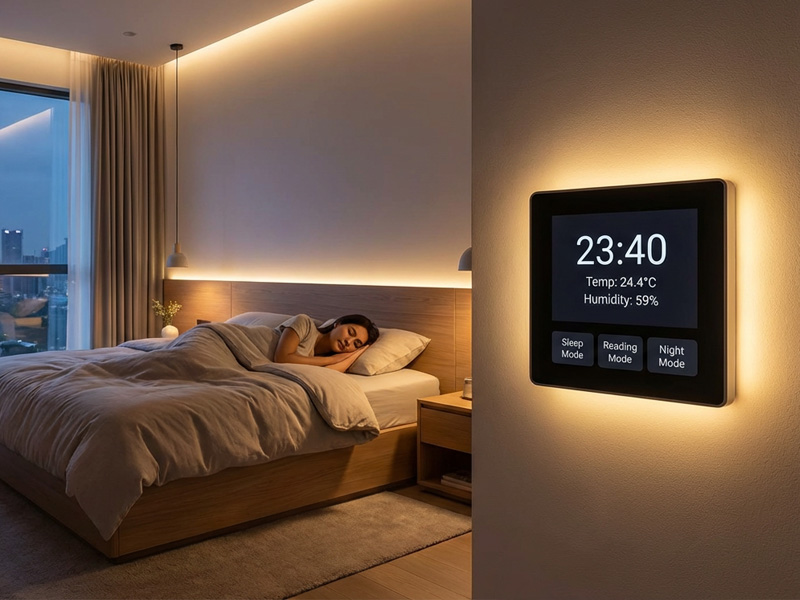
- Sleep: Implement selected bedroom lighting, window covering, and environmental control settings.
- Meeting: Establish an optimal environment within a residential office or conference area.
These applications are contingent upon the automation infrastructure and connected device ecosystem. The control panel functions as the user interface, whereas the underlying infrastructure governs scene execution parameters.
For system integrators, this presents an opportunity to develop customized control solutions tailored to specific property requirements, rather than deploying isolated smart devices.
5. Enhanced Integration for Intelligent Home and Building Automation Projects
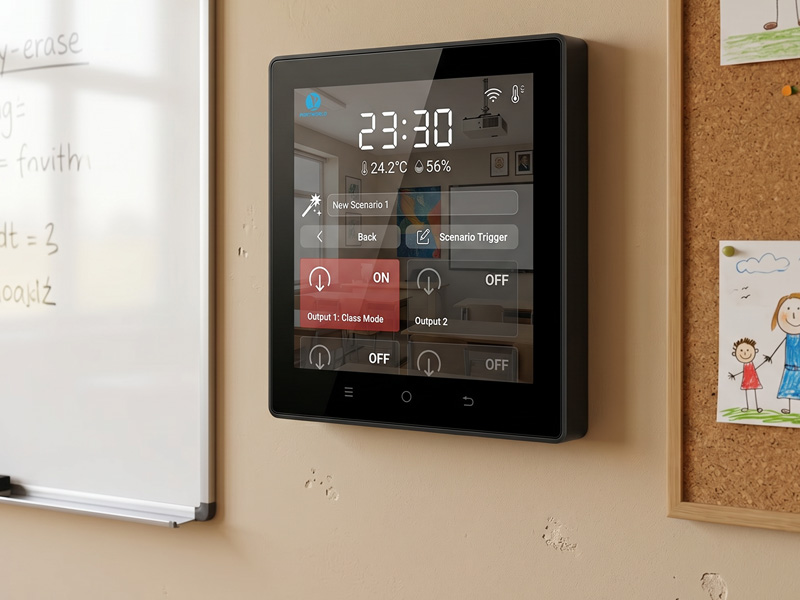
A wall-mounted control interface can function as a user-accessible component within a comprehensive automation infrastructure.
Based on the selected model and system configuration, integration may encompass network communication, compatible wireless protocols, serial connectivity, or specialized building automation standards.
For instance, a project utilizing a KNX-compliant system may necessitate a panel configured to satisfy applicable KNX integration specifications. An alternative project may depend on an Android-based interface, a Linux-based operating system, or a customized application developed by the system integrator.
Compatibility should always be verified at the model and system level. A touchscreen panel does not automatically support every smart home protocol or device.
smart home control panel-1
For professional projects, buyers should confirm:
- Supported communication protocols and interfaces
- Compatibility with the intended automation platform
- Network and power requirements
- Software and application requirements
- Installation and commissioning procedures
Selecting the right panel at the beginning of a project can help reduce integration difficulties and support a more consistent user experience.
6. A Practical Solution for Homes, Apartments, and Hotels
Wall-mounted smart home control panels can be used in a range of residential and commercial environments.
Residential properties
In houses, apartments, and villas, panels can provide access to supported lighting, climate, curtain, and scene controls. Their fixed location can make them convenient for daily use.
Hotels and serviced apartments
In hospitality projects, compatible control panels can provide guests with a dedicated interface for selected room functions. Depending on the system, these may include lighting scenes, air conditioning, curtains, and other room controls.
For hotel operators and solution providers, a consistent interface across rooms can also support a more standardized guest experience.
Workplace and Conference Areas
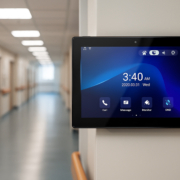
Within workplace environments and conference spaces, control panels facilitate access to customized illumination, thermal regulation, and facility management capabilities. The precise functionalities available are contingent upon the specific building automation infrastructure and the chosen equipment specifications.
Large-Scale Building Automation Initiatives
In extensive undertakings, wall-affixed control panels may constitute a component of a comprehensive building management framework. Integration specialists must assess panel interoperability, implementation specifications, application ecosystem support, and ongoing operational requirements prior to determining the appropriate selection.
7. Adaptable Technology and Application Solutions
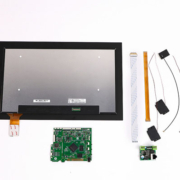
Various projects necessitate distinct specifications regarding display dimensions, system platform, computational capacity, data transmission capabilities, and system connectivity.
Certain deployments may necessitate a compact control interface for fundamental management operations. Alternative implementations may demand an expanded screen, a particular system platform, or a tailored user interface design.
When assessing a wall-mounted intelligent facility control interface, evaluate the subsequent technology and application considerations:
- Display dimensions and visual output: Select a visual interface appropriate for the deployment context and functional design.
- System platform: Android and Linux may facilitate distinct software frameworks and functional specifications.
- Computational efficiency: Align processor specifications and storage capacity with the designated operational purpose.
- Data transmission: Authenticate the necessary network connectivity, wireless protocols, Bluetooth capability, communication standards, or supplementary connection technologies.
- Electrical supply: Establish whether the initiative necessitates conventional electrical distribution or accommodates Power over Ethernet (PoE) functionality.
- Deployment approach: Examine the interface’s structural configuration and compatibility with architectural and electrical infrastructure.
- Application ecosystem support: Authenticate software compatibility, modification capabilities, system version specifications, and support frameworks.
Not all available models incorporate all functionalities. Comprehensive examination of each prospective model’s technical documentation is imperative prior to finalizing a procurement decision.
smart control panel factory-1
8. Branding and Customization Opportunities for Businesses
Wall-mounted control panels present a valuable branding opportunity for smart home manufacturers, distributors, system integrators, and solution providers seeking to establish a distinctive product offering.
Manufacturer capabilities and model selection determine the scope of available customization options, which may encompass:
- Logo application and supplementary branding elements
- Tailored user interface and application architecture
- Customizable housing design and color selections
- Software and firmware modifications
- Configurable hardware and interface specifications
- Customized packaging solutions
These customization capabilities enable businesses to create products that align more closely with their brand identity and fulfill specific project requirements.
Portworld delivers smart home control panel solutions alongside comprehensive OEM/ODM services tailored for business clients. Project scope and model specifications may inform discussions regarding product aesthetics, logo integration, user interface design, software functionality, and packaging solutions.
Nonetheless, customization parameters, production minimums, implementation expenses, delivery schedules, and technical feasibility must be validated with the manufacturer for each individual project. Not all customization features are compatible with every control panel model.
Businesses developing private-label products or planning standardized deployments across multiple locations benefit significantly from early engagement regarding branding and integration specifications, facilitating the establishment of more accurate product requirements.
9. Selecting an Appropriate Wall-Mounted Smart Home Control Panel
The optimal panel is not necessarily characterized by the largest display or the most advanced processing capabilities. Rather, it is the panel that aligns with the project’s specific control requirements, integration framework, installation conditions, and financial constraints.
Prior to model selection, consider the following inquiries:
Which devices and systems require control?
Document the necessary functions and verify that the panel is compatible with the designated automation platform.
Which operating system is most suitable?
Assess Android, Linux, or alternative options according to the application scope, software ecosystem, and ongoing maintenance needs.
What display dimensions are appropriate?
Evaluate the viewing distance, accessible wall area, interface design, and anticipated user engagement patterns.
Which connectivity options and power delivery methods are essential?
Verify the required network protocols, serial communication interfaces, wireless standards, and power supply configuration.
Is bespoke customization necessary?
If the project requires a proprietary logo, customized interface, specialized housing, or tailored application, confirm which customization capabilities the manufacturer provides for the chosen model.
What post-deployment support is offered?
For enterprise-level projects, inquire regarding technical documentation, software support services, firmware upgrade availability, customization assistance, and long-term product support strategy.
Addressing these considerations prior to purchase enables stakeholders to conduct more thorough model comparisons and prevents unnecessary expenditure on superfluous capabilities.
smart home control panel
10. Why Partner with an Established Smart Home Control Panel Manufacturer?
For OEM and ODM initiatives, choosing appropriate hardware represents merely the initial phase. Purchasers frequently require additional assistance encompassing product setup, software customization, brand identity implementation, system integration, and manufacturing coordination.
An established manufacturer can provide clarity regarding which functionalities are available through current offerings and which may necessitate specialized development efforts.
When assessing potential suppliers, evaluate the following factors:
- The comprehensive selection of panel dimensions and hardware specifications
- Applicable operating systems and communication protocols
- Proficiency in relevant industry standards and software applications
- Accessible OEM/ODM services and brand customization capabilities
- Comprehensive technical documentation and professional engineering assistance
- Prototype assessment and manufacturing strategy development
- Quality assurance procedures and comprehensive post-purchase support
For corporate purchasers, a thorough examination of technical specifications and customization parameters proves essential prior to order finalization.
Portworld delivers intelligent home control panel systems tailored to diverse application scenarios and project specifications, supplemented by comprehensive OEM/ODM customization capabilities. Purchasers can collaborate to discuss their intended application, necessary interface requirements, preferred operating system, brand positioning objectives, and anticipated installation scale to determine an optimal solution configuration.
Frequently Asked Questions
What constitutes a wall-mounted smart home control panel?
A wall-mounted smart home control panel is a permanently affixed wall interface designed to manage compatible smart home devices and automate various functions. Depending on the specific model and system configuration, it may facilitate control over lighting, temperature regulation, window coverings, automated scenes, and other networked devices.
What are the principal advantages of a wall-mounted smart home control panel?
The principal advantages encompass unified device management, user-friendly accessibility, enhanced interior organization, streamlined access to automation sequences, and seamless compatibility with supported smart home or building management systems.
Can a wall-mounted control panel operate independently of a smartphone?
Yes, users can manage supported functions directly through the panel interface without requiring smartphone interaction for routine operations. Nevertheless, certain systems may necessitate a mobile application for initial configuration, user account administration, or specialized advanced capabilities.
Do all wall-mounted smart home control panels incorporate KNX compatibility?
No. KNX compatibility is contingent upon the particular model and its underlying hardware and software specifications. Prospective purchasers should verify protocol compatibility with the manufacturer prior to finalizing their purchase.
Is it possible to customize a wall-mounted smart home control panel with corporate branding?
Certain manufacturers provide logo customization and supplementary branding alternatives. The scope of available customization options depends on the model specifications, minimum order quantities, and the manufacturer’s technical capabilities. Prospective buyers should establish the customization scope, associated expenses, and manufacturing timelines in advance.
What approach should I follow when selecting an appropriate panel for a smart home implementation?
Begin by identifying the necessary devices, communication protocols, intended application, operating system requirements, display dimensions, connectivity interfaces, electrical supply specifications, and installation methodology. For projects requiring private labeling or proprietary software modifications, it is advisable to assess the manufacturer’s OEM and ODM service offerings as well.
A wall-mounted smart home control panel can make smart home systems easier to access, improve the organization of control interfaces, simplify the use of configured scenes, and support integration across compatible devices.
For residential developers, hotel automation providers, system integrators, and smart home brands, the right panel should be selected according to the complete project’s technical and commercial requirements.