Matter over Thread Smart Panel vs Zigbee Latency
When building or upgrading a smart home, one of the most important considerations is the connectivity and reliability of the devices and systems that bring everything together. In the world of smart home automation, two key protocols have emerged as dominant choices for device communication: Matter over Thread and Zigbee. Both protocols are designed to create seamless and reliable smart home experiences, but they differ in how they handle latency, performance, and scalability. This article explores the differences in latency between Matter over Thread and Zigbee, and how each protocol impacts the overall user experience in smart home control.
What is Matter Over Thread?
Matter is an open-source, unified connectivity standard developed by the Connectivity Standards Alliance (CSA), formerly known as the Zigbee Alliance. It is designed to simplify smart home ecosystems by ensuring that devices from different manufacturers can work together seamlessly. Matter is built on a Thread network, which is a low-power, low-latency, mesh networking protocol designed to support IoT (Internet of Things) devices.
- Thread: A wireless mesh protocol that connects devices in a decentralized manner, allowing them to communicate directly with each other. Thread uses IPv6 and is designed to be secure, reliable, and efficient.
- Matter: The application layer that runs on Thread and ensures seamless interoperability between devices from different brands, providing a standardized experience for users.
What is Zigbee?
Zigbee is another wireless communication protocol for IoT devices, originally developed by the Zigbee Alliance (now the Connectivity Standards Alliance, or CSA). Zigbee is widely used in smart homes and has been around for many years. Like Thread, Zigbee operates on a mesh network, where each device can relay messages to other devices, increasing range and reliability.
- Zigbee: A wireless mesh network that allows devices to communicate with each other using low-power radio signals. It supports a wide range of smart home devices and is known for its robustness in home automation environments.
- Zigbee Hub: Typically, Zigbee devices require a central hub or gateway (like Amazon Echo, SmartThings, or a dedicated Zigbee hub) to coordinate communication between devices.
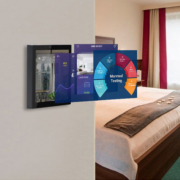
smart control panel-1
Latency in Matter over Thread vs Zigbee
Latency refers to the delay between sending a command (e.g., turning on a light) and the response from the device. In a smart home, low latency is essential for a smooth, responsive experience. The protocols used by smart devices can significantly affect latency, and this is where Matter over Thread and Zigbee diverge.
Matter Over Thread Latency:
- Low Latency: Thread’s protocol is designed for low-latency communication. It uses IPv6 and operates on a mesh network that allows devices to communicate with each other quickly and efficiently. This results in minimal delay between sending a command and receiving a response from devices connected to the network.
- Optimized for Smart Home Devices: Matter’s integration with Thread ensures that commands are transmitted quickly between devices without significant delays. This is particularly important for real-time applications like security systems, lighting control, and climate regulation.
- Seamless Integration: Matter supports multi-device ecosystems, meaning that even when multiple devices are connected to the network, performance remains consistent with minimal latency. Matter’s ability to communicate over Thread provides a stable and fast infrastructure for managing large smart home setups with numerous devices.
- Future-Proof: Matter over Thread’s architecture is built to scale. As more devices join the network, the system continues to perform reliably with low latency, making it a future-proof solution for growing smart home setups.
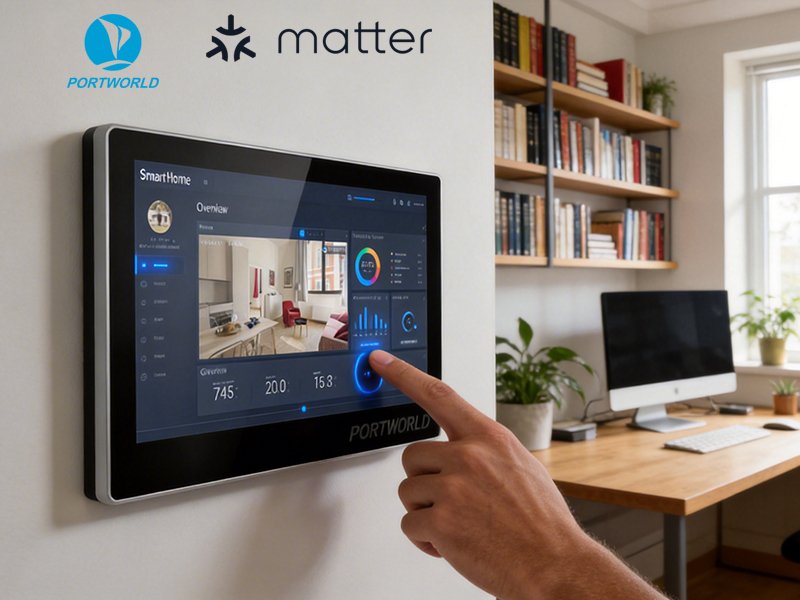
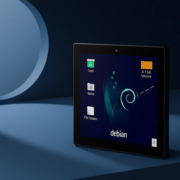
smart home control panel
Zigbee Latency:
- Higher Latency: Zigbee networks also use mesh communication, but due to the nature of its protocol and the reliance on a hub, latency can be higher compared to Matter over Thread. Zigbee’s central hub often becomes a bottleneck, adding additional processing time between sending a command and receiving a response.
- Network Congestion: As more devices are added to a Zigbee network, network congestion can occur. Zigbee operates on a 2.4 GHz frequency band, which can experience interference from Wi-Fi networks, Bluetooth, and other devices, increasing latency.
- Dependence on Hub: Zigbee devices typically require a central hub or gateway to communicate, and the communication between the hub and devices can introduce additional latency. While Zigbee devices can still offer relatively fast responses, they may not match the speed and efficiency of Matter over Thread in larger setups.
- Limited Scalability: Zigbee networks can struggle to maintain low latency as the number of connected devices grows. With too many devices and network congestion, Zigbee may experience performance degradation, which can affect the user experience.
How Matter Over Thread and Zigbee Impact Smart Home Control Panels
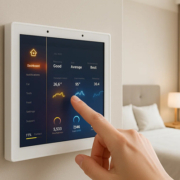
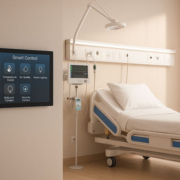
Smart home control panels—such as Android-based smart panels—are integral to managing all your connected devices. Both Matter over Thread and Zigbee play an important role in how these panels interact with smart devices. However, the latency differences between these two protocols can have a significant impact on the user experience.
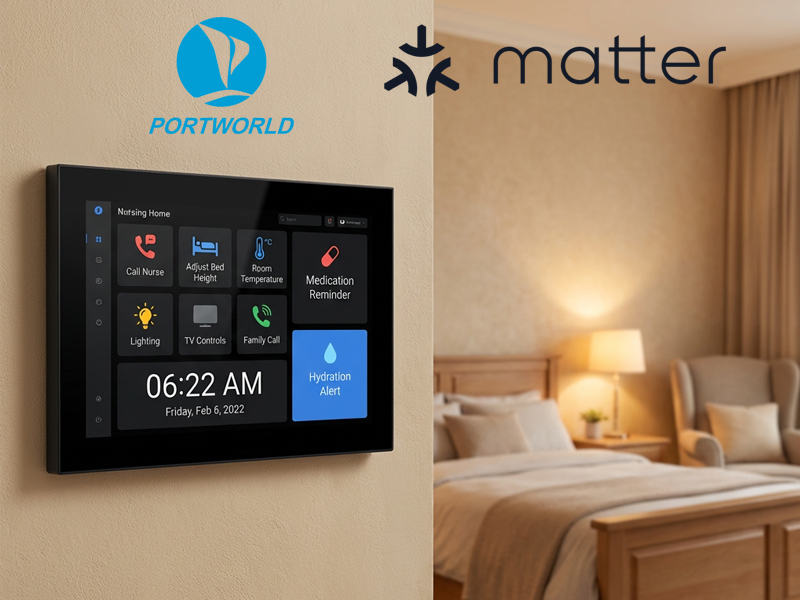
- Matter over Thread smart panels will benefit from lower latency and faster response times, which is ideal for use in environments where quick interactions are essential. For instance, controlling lights, curtains, or thermostats in real-time through a control panel or app will be much smoother and faster with Matter over Thread.
- Zigbee-based control panels, on the other hand, may experience slight delays, especially when there are many devices connected to the network. For smaller setups, the delay might not be noticeable, but as the system scales, latency can become more pronounced.
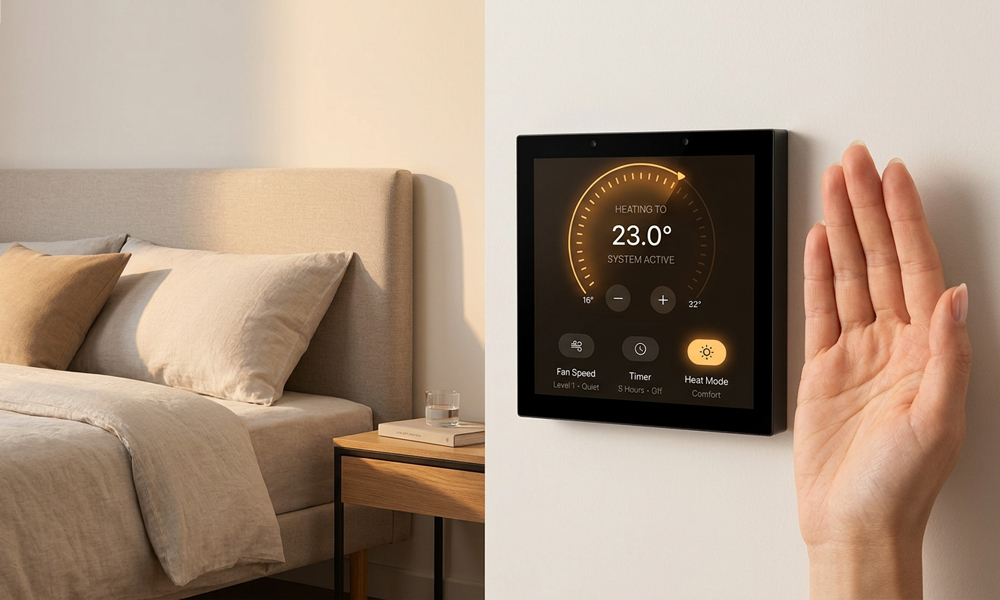
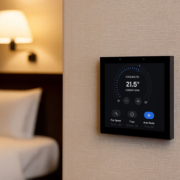
smart home control panel
Portworld Smart Control Panels and Latency
At Portworld, we offer a range of smart control panels that are compatible with both Matter over Thread and Zigbee protocols. These panels are designed to provide reliable and fast device control, offering low-latency responses in both home and office environments.
- YC-SM41P – 4-inch Smart Control Panel
- Connectivity: Wi-Fi, Bluetooth, Zigbee (optional), PoE
- Display: 480×480 resolution capacitive touchscreen
- Ideal for: Small smart home systems or apartments needing quick responses for basic automation tasks.
- YC-SM55P – 5.5-inch Smart Control Panel
- Connectivity: Dual-band Wi-Fi, Bluetooth, PoE
- Display: 720×1280 resolution, high-brightness screen
- Ideal for: Larger smart home setups or office environments, ensuring fast and reliable performance across multiple devices.
- YC-SM10P – 10-inch Smart Control Panel
- Connectivity: Thread, Wi-Fi, Bluetooth, PoE
- Display: 1280×800 resolution, wide-angle view
- Ideal for: Advanced smart home setups or large office buildings requiring high-speed communication between devices.
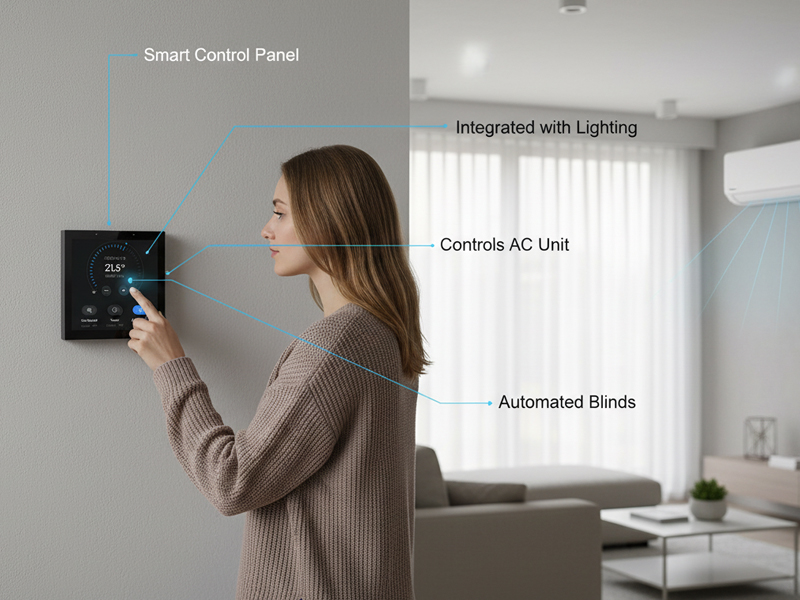
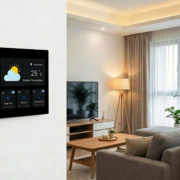
smart home control panel65-1
Which Protocol is Better for Smart Home Latency?
When it comes to latency, Matter over Thread outperforms Zigbee. Matter over Thread provides low-latency communication that scales well with large smart home setups. It ensures fast and responsive interactions, even as the number of devices grows. For users looking for a seamless and future-proof solution, Matter over Thread is the clear choice.
Zigbee, while still a viable option for many smart homes, can experience higher latency as the network grows, and its reliance on a central hub can lead to bottlenecks and delays.
For modern smart home environments where low latency is crucial, Matter over Thread smart control panels, such as those offered by Portworld, provide an efficient and reliable solution, ensuring that every device responds quickly and seamlessly.