How Yocto Linux Supports Custom Digital Signage Displays
As digital signage applications evolve, businesses are seeking more than just basic media playback. Contemporary commercial displays necessitate tailored operating systems, enhanced performance, robust security, and enduring reliability.
To meet these demands, Yocto Linux has emerged as a favored solution for crafting custom digital signage displays.
In contrast to conventional Linux distributions, Yocto enables manufacturers to construct a bespoke embedded Linux system with only the essential components, rendering it perfect for industrial and commercial display uses.
What Is Yocto Linux?
Yocto Linux is an open-source framework for embedded Linux development that assists developers in creating customized Linux operating systems for specific hardware platforms.
Rather than installing a generic OS, developers can personalize:
- Linux kernel
- Bootloader
- Hardware drivers
- System services
- Applications
- Security features
This customization makes Yocto ideal for digital signage products that demand specialized functions and long-term support.
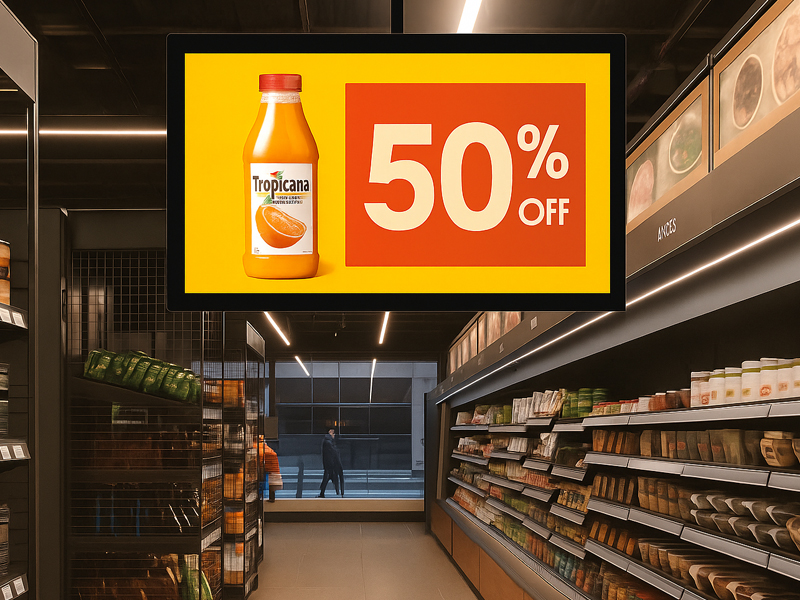
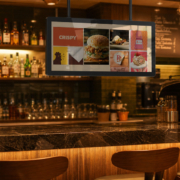
digital signage display
Why Opt for Yocto Linux in Custom Digital Signage Displays?
1. Comprehensive System Customization
Each digital signage initiative may have unique specifications.
With Yocto Linux, manufacturers have the ability to tailor the entire software ecosystem, which includes:
- Startup interface
- Display drivers
- Network settings
- Touchscreen functionality
- Multimedia framework
- Remote management capabilities
For instance, a retail advertising display might only require video playback and content management system (CMS) oversight, whereas an industrial touchscreen terminal could necessitate additional control interfaces and communication protocols.
2. Enhanced Performance and Resource Efficiency
Commercial displays frequently need to operate continuously for extended periods.
A tailored Yocto system eliminates superfluous software elements, leading to:
- Quicker boot times
- Reduced memory consumption
- Improved system reliability
- Lower power usage
This is particularly crucial for embedded devices with constrained resources.
3. Support for Robust Embedded Hardware Platforms
Yocto Linux is highly compatible with ARM-based processors that are frequently utilized in digital signage applications.
Notable platforms consist of:
- Rockchip RK3566
- Rockchip RK3568
- Rockchip RK3576
- Rockchip RK3588
These processors offer exceptional multimedia capabilities for:
- 4K video playback
- Interactive displays
- AI-enabled signage
- Smart kiosks
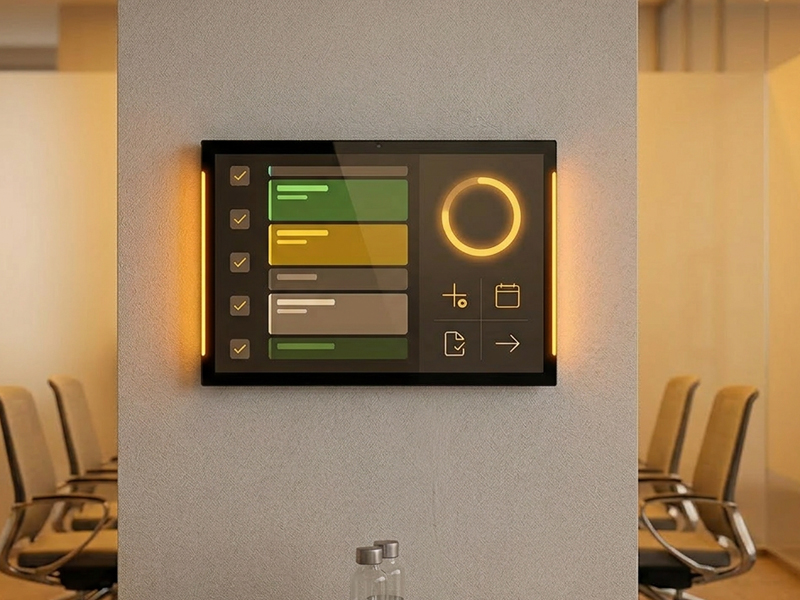
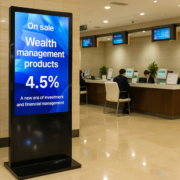
digital signage display-2
Portworld’s embedded display solutions facilitate tailored Linux systems on these advanced platforms.
- How Yocto Linux Is Tailored for Digital Signage Displays
- Hardware BSP Development
The Board Support Package (BSP) serves as the link between Yocto Linux and the display hardware.
Customization encompasses:
- LCD panel configuration
- HDMI output
- GPU acceleration
- touchscreen drivers
- audio drivers
- WiFi/Bluetooth modules
- camera integration
An effectively optimized BSP guarantees reliable hardware performance.
Custom Application Development
Once the operating system has been set up, developers are able to create applications for digital signage.
Key functionalities include:
Media Player
Capabilities include:
- Video playback
- Image display
- Audio content
- Scheduled advertising
Content Management System
Enables operators to:
- Upload advertisements from a remote location
- Manage multiple displays
- Monitor the status of devices
- Automatically update content
Interactive Touch Applications
Utilized for:
- Self-service kiosks
- Retail product exploration
- Meeting room reservations
- Information terminals
Frameworks like Qt and Chromium can be incorporated into systems based on Yocto.
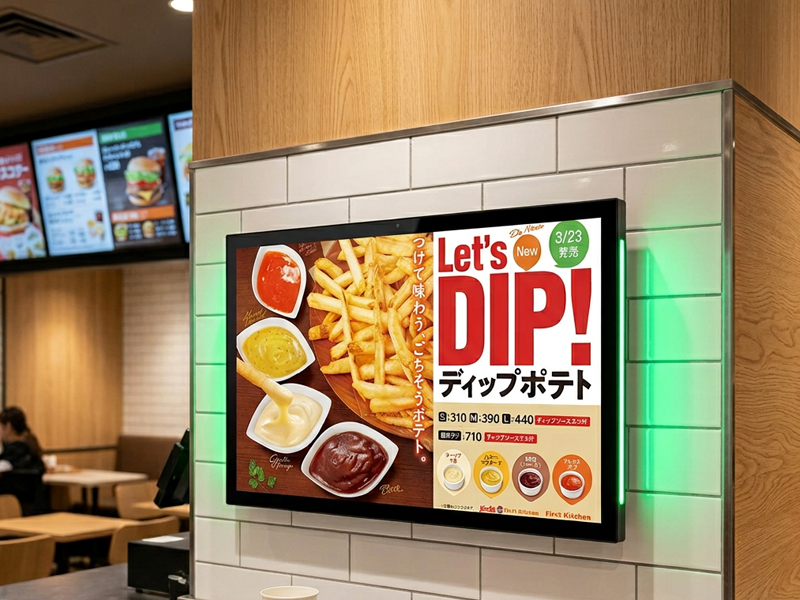
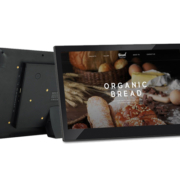
digital signage display
Yocto Linux for Continuous Commercial Use
Digital signage displays are typically deployed in public settings that necessitate uninterrupted operation.
Yocto Linux offers support for:
- Watchdog monitoring
- Automatic recovery
- Secure boot
- Over-the-air firmware updates
- System protection
These functionalities enhance reliability for applications including:
- Shopping malls
- Airports
- Hospitals
- Banks
- Intelligent transportation systems
Yocto Linux vs Android for Digital Signage Displays
| Feature | Yocto Linux | Android |
|---|---|---|
| System customization | ⭐⭐⭐⭐⭐ | ⭐⭐⭐ |
| Hardware control | Excellent | Good |
| Application ecosystem | Custom development | Large Android ecosystem |
| Resource optimization | Excellent | Medium |
| Industrial deployment | Excellent | Good |
| Best use case | Custom embedded solutions | General commercial displays |
Android is an excellent option for applications that necessitate rapid deployment and mobile-oriented functionalities.
In contrast, Yocto Linux is more appropriate for projects that demand:
- Extensive customization
- Extended product lifecycle
- Specialized software environments
- Industrial-grade reliability
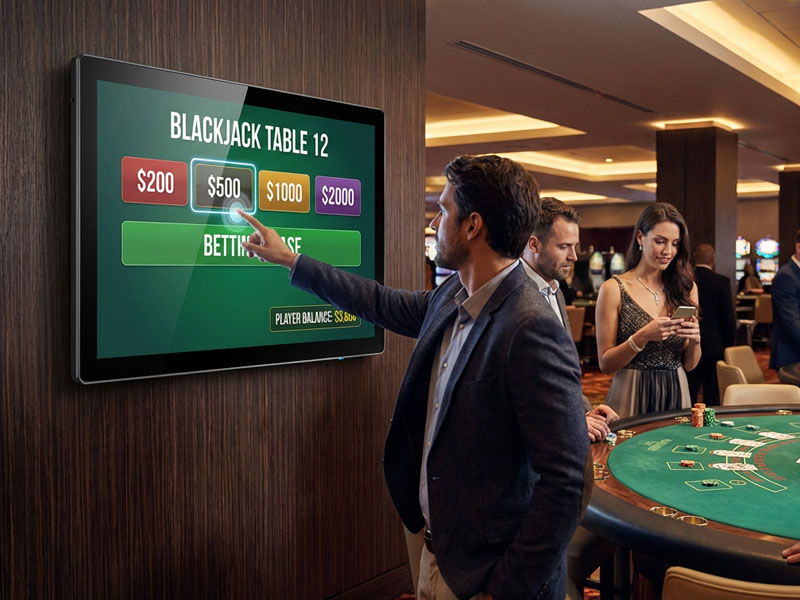
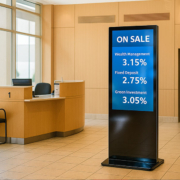
digital signage display
Portworld Yocto Linux Digital Signage Solutions
Portworld offers tailored embedded display solutions utilizing ARM platforms, which include:
- Yocto Linux
- Buildroot
- Debian Linux
- Android systems
The solutions encompass:
- Custom digital signage displays
- Industrial touchscreen monitors
- Smart kiosks
- Embedded control panels
- AI edge terminals
Portworld provides support for:
- Yocto BSP customization
- Linux kernel adaptation
- Driver development
- Firmware customization
- Hardware integration
- OEM/ODM manufacturing
With adaptable hardware and software customization, clients can create digital signage products specifically tailored to their needs.
Yocto Linux provides a powerful foundation for building custom digital signage displays that require maximum control, optimized performance, and long-term reliability.