How to Integrate Zigbee Into a Digital Signage Display
As intelligent buildings and Internet of Things infrastructure continue to advance, digital signage displays are evolving beyond their conventional role as mere advertising mediums. Through the incorporation of wireless communication protocols such as Zigbee, digital signage can function as an integral component of an interconnected network that engages with environmental sensors, intelligent devices, and integrated building management systems.
A Zigbee-compatible digital signage display possesses the capability to gather environmental information, manage networked devices, and deliver contextually relevant content in response to dynamic conditions, rendering it particularly suitable for intelligent buildings, retail establishments, hotels, and professional environments.
The Advantages of Incorporating Zigbee into Digital Signage Displays
Conventional digital signage primarily emphasizes content presentation. Zigbee incorporation introduces advanced connectivity and automation functionalities.
Through Zigbee technology, displays can establish communication with:
- Intelligent illumination systems
- Environmental temperature monitoring devices
- Space utilization detection sensors
- Access point sensors
- Automated control switches
- Facility energy optimization systems
This integration enables digital signage to function as a dynamic and responsive element within an intelligent facility ecosystem.
Prevalent Applications of Zigbee Digital Signage
1. Intelligent Building Information Displays
Within smart offices and commercial facilities, Zigbee-compatible displays can integrate seamlessly with building automation infrastructure.
Key applications encompass:
- Room occupancy and status information
- Environmental condition monitoring
- Energy conservation alerts
- Indoor air quality visualization
As an illustration, a display can present real-time data regarding temperature, humidity, or occupancy metrics obtained from Zigbee sensor networks.
2. Intelligent Retail Advertising Solutions
Retail establishments can leverage digital signage integrated with Zigbee technology to establish more sophisticated customer engagement experiences.
Typical implementations include:
- Promotional content display upon customer arrival in designated zones
- Dynamic screen content modification based on environmental store conditions
- Integration with intelligent lighting systems for product emphasis
- Analysis of customer movement and traffic flow
3. Hospitality and Hotel Applications
Hospitality venues can implement Zigbee-enabled displays to facilitate enhanced guest experiences.
Key applications include:
- In-room control interfaces
- Intelligent illumination management
- Operational energy optimization
- Guest communication and information displays
A touchscreen interface can function as a comprehensive control center linking Zigbee-connected smart devices.
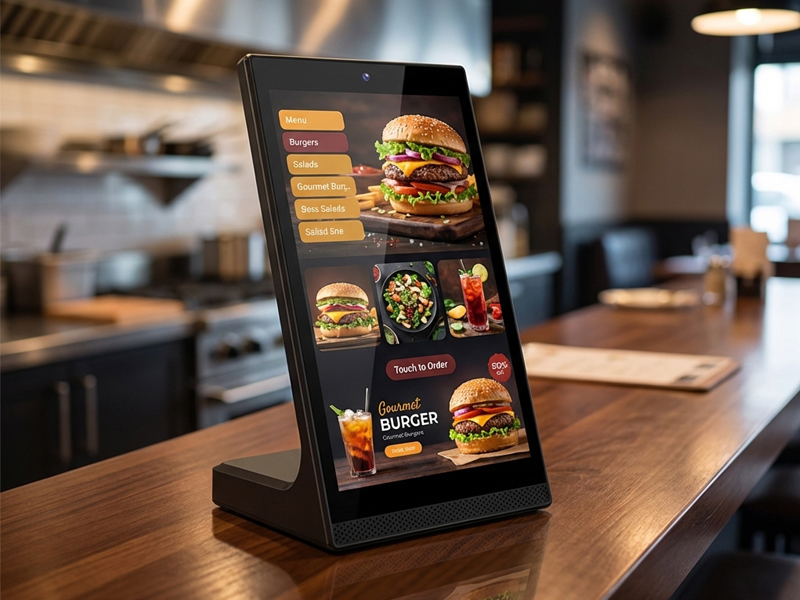
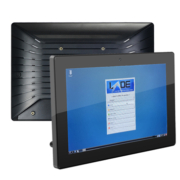
YC-L106
10.1-inch L-Shaped Digital Signage Display
4. Residential Smart Home Control Interfaces
In domestic settings, digital signage displays can function as intelligent home management hubs.
Primary capabilities include:
- Illumination control and management
- Automated window covering operation
- Climate control system management
- Security system oversight and monitoring
Through Zigbee integration, a single display interface can coordinate and manage numerous smart home devices through one unified platform.
Approaches for Incorporating Zigbee Technology into Digital Signage Displays
1. Implement an Integrated Zigbee Module
Display manufacturers have the capability to embed a Zigbee communication module directly within the display hardware infrastructure.
Key Benefits:
- Streamlined form factor
- Enhanced dependability
- Reduced installation complexity
Essential components comprise:
- Zigbee communication module
- Antenna configuration
- Data transmission interface
- Purpose-built firmware
2. Employ an Independent Zigbee Gateway Solution
A digital signage display can establish connectivity with a Zigbee gateway via:
- Ethernet connectivity
- Wireless networking
- Universal Serial Bus
- Bluetooth technology
The gateway orchestrates Zigbee device operations and transmits information to the display infrastructure.
This methodology proves advantageous for extensive intelligent building implementations.
3. Application-Level Integration
Following hardware implementation, software development becomes necessary.
Core software capabilities encompass:
- Zigbee device administration
- Sensor information acquisition
- Intelligent automation control
- Visual data representation
- Programmed operational procedures
Android and Linux operating systems deliver adaptability for specialized Zigbee solutions.
Hardware Requirements for Zigbee Digital Signage
A professional Zigbee-enabled signage system typically comprises the following components:
Processing Platform
Recommended processors include:
- Rockchip RK3566
- RK3568
- RK3576
- RK3588
These platforms facilitate:
- Android application deployment
- Linux-based development
- Internet of Things data processing
- Edge computing capabilities
Operating System Support
Prevalent operating systems include:
- Android
- Linux
- Debian
- Ubuntu
- Yocto Linux
Linux-based systems are frequently selected for specialized Internet of Things implementations.
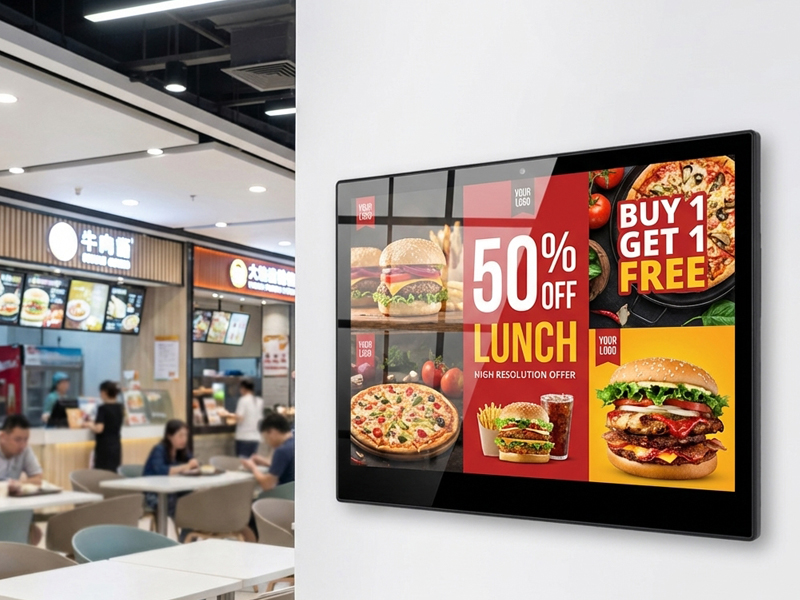
digital signage display
Supplementary Connectivity Interfaces
Valuable communication options encompass:
- USB
- UART
- RS485
- Ethernet
- WiFi
- Bluetooth
These interfaces facilitate seamless compatibility with diverse intelligent devices and industrial infrastructure systems.
Portworld Zigbee-Enabled Digital Signage Solutions
Portworld delivers adaptable touchscreen and digital signage platforms engineered for intelligent building infrastructure and Internet of Things implementations.
Key Capabilities:
- Compatibility with Android, Linux, and Ubuntu operating systems
- Support for RK3566, RK3568, RK3576, and RK3588 processor architectures
- Integrated Zigbee connectivity functionality
- Interactive touchscreen display technology
- Dual connectivity via WiFi and Ethernet protocols
- Advanced NFC, RFID, and integrated camera capabilities
- Seamless smart home protocol compatibility
- Specialized firmware customization and development services
Primary Use Cases:
- Intelligent building management control systems
- Advanced retail display solutions
- Hospitality room automation terminals
- Comprehensive IoT data visualization dashboards
- Connected smart home control interfaces
Original Equipment Manufacturer (OEM) and Original Design Manufacturer (ODM) Customization Capabilities
Portworld delivers comprehensive customization solutions for Zigbee-based digital signage initiatives:
- Customized Zigbee module integration
- Hardware architecture and design
- Printed circuit board (PCB) and printed circuit board assembly (PCBA) development
- Android and Linux firmware customization
- User interface design
- Internet of Things (IoT) protocol integration
- Cloud platform connectivity
- Complete knock-down (CKD) and semi-knock-down (SKD) manufacturing services
Supplementary intelligent communication protocols may encompass:
- Matter
- KNX
- Modbus
- MQTT
- BACnet
The incorporation of Zigbee technology into digital signage displays converts conventional display screens into sophisticated, Internet of Things-connected intelligent devices. Through the synergistic combination of visual communication capabilities with intelligent device management functionality, Zigbee-enabled displays facilitate deployment across diverse applications including smart building environments, retail establishments, hospitality venues, and residential automation systems.