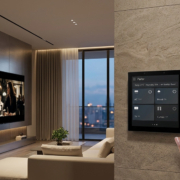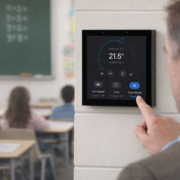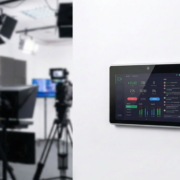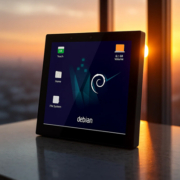
How can smart home central control screens be used? And what distinguishes them from smart panels?
As various smart home manufacturers hold their press conferences as scheduled, they unveil a dizzying array of new products—panels, smart locks, smart lighting, and more. Among these, the Smart Central Control Screen stands out prominently. But what exactly is it?
In addition to basic control, a smart central control screen functions as a multifaceted hub, integrating features such as gateways (ZigBee, RS485), switches (specifically 86-type smart panels), smart speakers, and universal remote controls. Yet, some consumers wonder why they should invest in a device that looks like a dedicated app interface but lacks the ability to watch videos or play games like a standard tablet.
Despite the marketing efforts of manufacturers, opinions remain divided within the industry and among consumers. Proponents strongly advocate for the central control screen, while skeptics argue it can be replaced by tablets, which offer higher performance, more features, and often a lower price point.
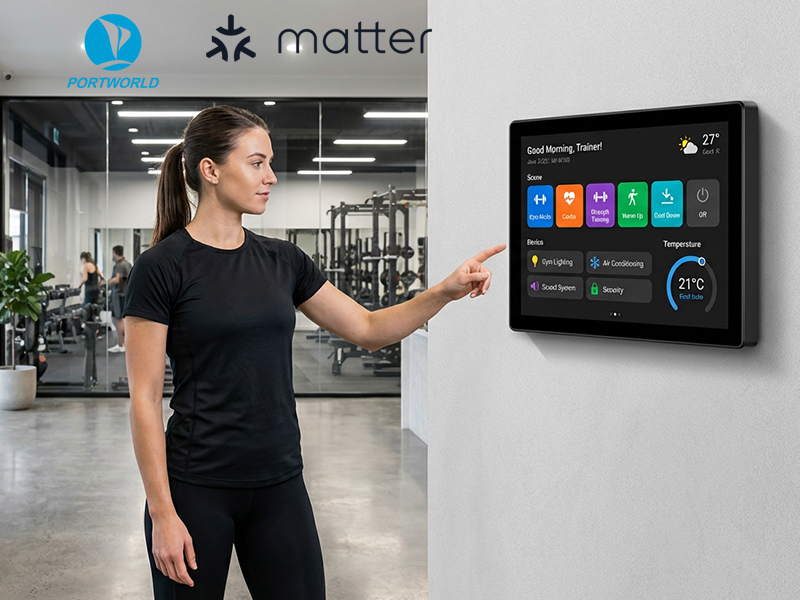
smart home control panel
What is a Smart Central Control Screen?
The definition of a smart central control screen is as follows: It is a centralized management system applied within the home that integrates the controls of various indoor devices into a single interface. By operating the panel, users can connect and manage smart lighting, audio-visual systems, switches, sockets, door locks, and smart appliances via wireless protocols or remote control. Its greatest advantage lies in consolidation: it merges various switch panels, scene panels, thermostat panels, and remote controls into a single, unified screen.
With continuous innovation, modern central control screens offer several highlights compared to their predecessors:
- Powerful Hardware: It acts as a robust control center for the entire home.
- Enhanced Voice Control: Offers stronger AI-driven voice interaction.
- Personalized Services: Provides full-scene customization and proactive AI services, creating an immersive smart experience for the user.
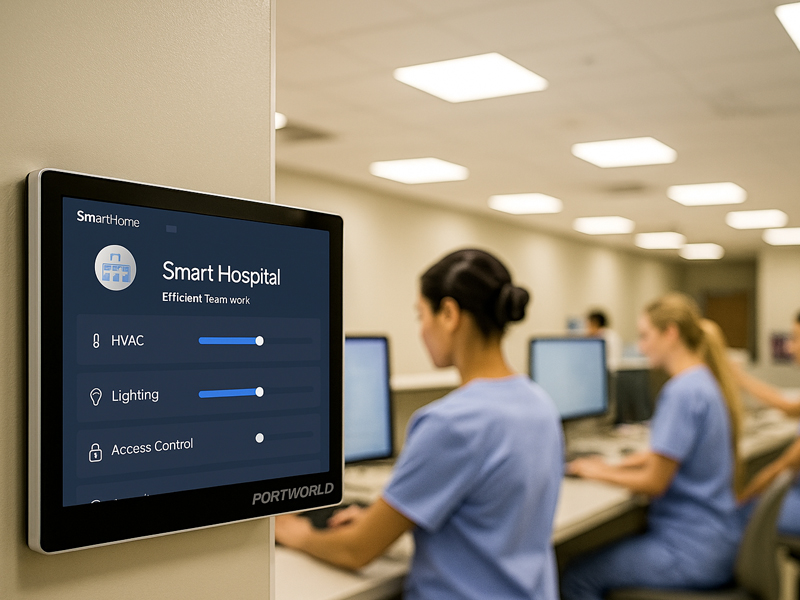
smart touch control panel8
The Evolution of the Smart Home “Entry Point”
For smart home manufacturers and tech giants, the search for the ultimate “entry point” to the smart home has evolved from smart speakers to smart TVs, and now to smart central control screens. In the early days, these screens were essentially just oversized app interfaces and failed to gain consumer favor. Today, however, they have evolved into system-level products.
In recent years, the explosion of individual smart devices and increasing consumer demands have pushed the market toward the concept of Whole-Home Intelligence. The development of whole-home solutions has unlocked the market potential for central control screens. As a vital bridge between humans and devices, the smart central control screen serves four core functions:
- Integrated Linkage Control
- Protocol Docking
- Human-Computer Interaction
- Service Display
While “central control screens” originated in industrial control and the automotive industry, their “smart” counterparts arrived later to the smart home sector. Today, they are primarily used in smart buildings, smart hotels, and whole-home intelligence scenarios, serving as an essential component of modern smart home solutions.
Portworld offers comprehensive smart home solutions that combine advanced hardware, flexible software, and professional customization services. Their product range includes smart touch control panels in 4″, 5″, 7.6″, 10″ sizes, compatible with Android, Linux (Ubuntu/Debian), and Windows. These panels support multiple control methods, including touchscreen, mobile app, and voice control (Google Assistant, Alexa), and integrate seamlessly with smart lighting, motorized curtains, HVAC systems, security cameras, and access control.