Digital Signage Display Factory with Embedded Hardware Development
As digital signage technology advances, organizations require substantially more than a basic display screen to ensure dependable and compelling digital experiences. Retail advertising platforms, self-service kiosks, interactive information systems, and industrial display solutions frequently demand specialized hardware configurations, dependable software infrastructure, and effective coordination with complementary technologies.
For organizations creating these systems, partnering with a digital signage display manufacturer possessing embedded hardware development expertise can streamline product development processes, enhance system interoperability, and facilitate sustained manufacturing operations.
The Significance of Embedded Hardware Development in Digital Signage Applications
A digital signage solution encompasses considerably more than its display component. System performance is equally contingent upon the embedded motherboard, processing unit, memory capacity, connectivity infrastructure, operating system, and interface capabilities.
When these elements are procured separately, manufacturers frequently experience interoperability challenges, superfluous design complications, or obstacles in customizing the product for particular use cases.
Embedded hardware development resolves these complications by engineering the display and computing infrastructure as a unified system. The motherboard can be selected or engineered to align with computational demands, visual resolution specifications, connectivity requirements, operational environment conditions, and software prerequisites.
For instance, a fundamental advertising display system may necessitate dependable multimedia processing capabilities and reliable network communication, whereas an interactive information kiosk may demand touch-sensitive screen technology, multiple connection ports for peripherals, and enhanced computational capacity. An industrial data terminal may necessitate a specialized housing configuration, proprietary connection standards, or operation within more rigorous environmental conditions.
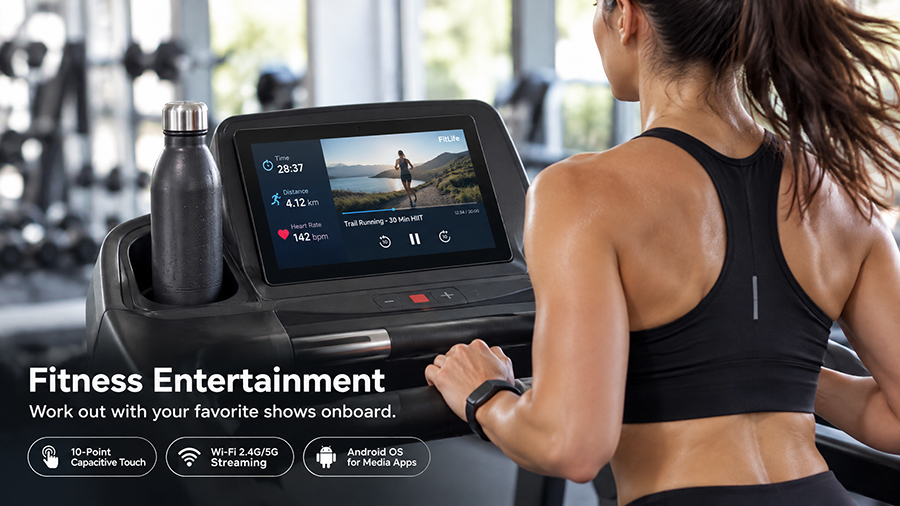
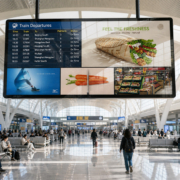
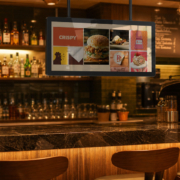
YC-102P digital signage display
A manufacturing facility equipped with proprietary hardware engineering expertise can facilitate the alignment of these specifications during the initial design phase.
Progressing from Display Production to Integrated Embedded Solutions
Conventional display manufacturing traditionally emphasizes display dimensions, panel performance characteristics, luminosity levels, and structural design. Nevertheless, contemporary digital signage implementations increasingly demand comprehensive integration between the display component and its integrated computing infrastructure.
This integration encompasses multiple dimensions:
Embedded processing unit selection and modification. The computational processor architecture, system memory capacity, data storage solutions, and available connection ports can be calibrated to satisfy the application’s computational demands. Based on project specifications, manufacturers may implement an established processing board or engineer a purpose-built circuit board.
Display and connectivity integration. Screen pixel density, tactile input capability, video transmission protocols, data communication infrastructure, universal serial bus connections, asynchronous communication interfaces, and supplementary hardware components must be evaluated collectively. The feasible alternatives are contingent upon the chosen display technology and processing platform.
Operating system and software customization represent critical considerations for digital signage implementations. Projects frequently necessitate Android or Linux-based operating systems, tailored initialization procedures, pre-loaded applications, customized branding elements, or seamless integration with existing customer infrastructure.
Mechanical and thermal engineering constitute essential design factors. The protective housing, structural support systems, internal component arrangement, thermal management solutions, and wiring organization collectively influence product durability and deployment adaptability.
Through systematic integration of these components, a proficient digital signage provider can minimize customer implementation requirements and deliver a solution precisely aligned with specific application needs.
Selecting an Appropriate Embedded Platform for Diverse Applications
Distinct digital signage applications impose varying technical requirements on embedded computing systems.
Within retail and promotional contexts, emphasis typically centers on consistent content delivery, centralized content administration, and dependable communication infrastructure. Conversely, interactive display systems and automated service terminals prioritize responsive touch interfaces, expanded device connectivity options, and expedited system performance.
Meeting room displays and information panels may require integration with scheduling applications, access management systems, or facility management infrastructure. Industrial deployments may demand tailored user interfaces, deployment configurations, and hardware specifications appropriate to the specific operational context.
Processor selection should consequently align with the genuine computational demands rather than adhering to a standardized specification applicable to all scenarios. Embedded systems utilizing Rockchip processors, for instance, warrant consideration for appropriate Android or Linux implementations, contingent upon processing capacity, multimedia capabilities, and connectivity requirements. The resulting system architecture should be thoroughly assessed in relation to the chosen operating system, display technology, and application software.
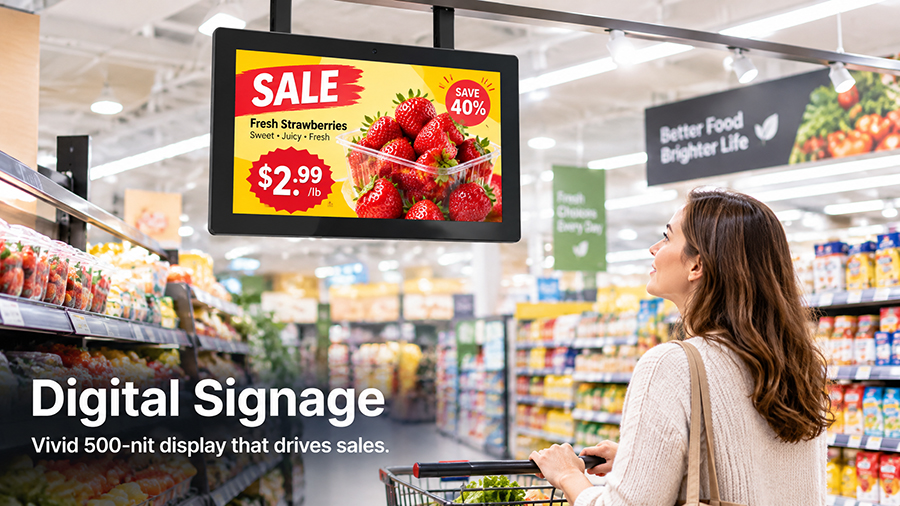
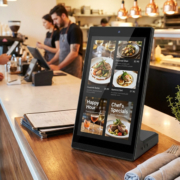
YC-102P digital signage display
OEM and ODM Customization for Digital Signage Projects
For equipment manufacturers, system integrators, and solution providers, customization frequently represents a critical necessity. A conventional display may prove inadequate for particular specifications regarding display dimensions, housing measurements, control interface configuration, computational capability, or application functionality.
A digital signage manufacturer providing OEM and ODM services can facilitate projects spanning from initial product conception through technical validation and high-volume manufacturing.
Customization options may encompass:
- Display specifications including size, resolution, brightness, and tactile responsiveness
- Selection of embedded motherboard components or development of customized hardware solutions
- Configuration of memory, storage, and connectivity infrastructure
- Design of customized input/output interfaces and integration of peripheral devices
- Adaptation of Android or Linux operating systems
- Customization of branding elements, physical enclosure design, mounting mechanisms, and packaging materials
- Pre-installation of applications and configuration of system initialization parameters
- Conduct of prototype evaluation, design verification, and preparation for manufacturing operations
The suitable level of customization varies according to individual project requirements. Certain clients require only branding modifications and interface refinements, whereas others necessitate development of alternative motherboards, redesigned enclosures, or comprehensive integrated hardware and software implementations.
Establishing these specifications at an early stage mitigates the risk of design modifications and facilitates a more efficient transition from prototype development to large-scale manufacturing operations.
Key Considerations for Choosing a Digital Signage Manufacturing Partner
While cost and manufacturing volume represent significant factors, these metrics alone cannot adequately assess a factory’s suitability for specialized customization initiatives.
Initially, assess the organization’s technical expertise. Does the personnel possess the competency to manage circuit board selection, system architecture development, peripheral connectivity, and platform customization? Can the team proactively identify potential integration challenges prior to full-scale manufacturing?
Secondly, evaluate the organization’s capacity to oversee integrated product development. Screen quality, processing components, structural design, heat dissipation efficiency, and application software must be examined as interconnected components of a unified solution.
Thirdly, review the quality assurance and manufacturing protocols. Prototype evaluation, connectivity verification, performance reliability, and manufacturing consistency represent essential phases in preparing a specialized product for operational deployment.
In conclusion, prioritize ongoing supplier reliability and technical assistance. Given that digital signage installations typically operate continuously for extended periods, component sourcing stability, configuration standardization, technical documentation, and prospects for future modifications may prove equally valuable as the initial acquisition expense.
Portworld: Digital Signage and Embedded Hardware Solutions
Portworld, operated by Sunworld Technology Limited, delivers digital signage displays, touchscreen products, embedded motherboards, and tailored hardware solutions designed for diverse commercial and industrial applications.
Drawing upon more than 18 years of expertise in touchscreen and embedded hardware technologies, Portworld facilitates OEM/ODM initiatives requiring seamless coordination across display engineering, motherboard integration, software customization, and manufacturing processes.
Based on specific project specifications, clients may select from display products available in various sizes and configurations, encompassing POS touch displays, interactive display systems, and optical bonding display technologies. Portworld additionally provides embedded motherboard alternatives, including the YC-P3566 utilizing the Rockchip RK3566 architecture and the P3576 leveraging the Rockchip RK3576 architecture. The optimal platform selection depends on performance requirements, operating system compatibility, interface specifications, and intended application demands.
For organizations with specialized product requirements, Portworld engages in comprehensive discussions regarding hardware configuration, display integration, enclosure customization, software modification, and production scheduling. This methodology enables enterprises to engineer digital signage solutions aligned with their specific deployment circumstances rather than depending solely on conventional off-the-shelf configurations.
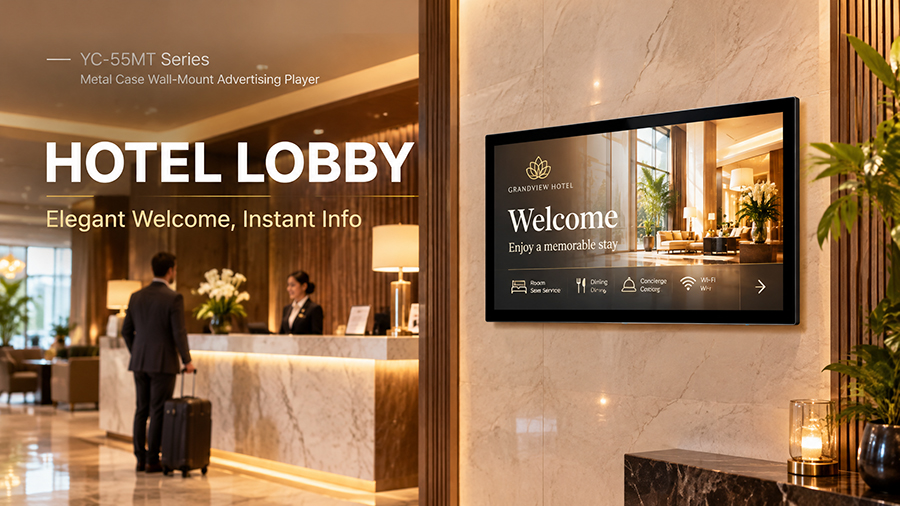
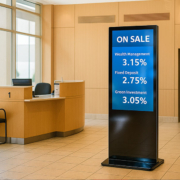
YC-55MT Hotel Lobby digital signage display
Developing Digital Signage Solutions Tailored to Your Specifications
Engaging a digital signage display manufacturer equipped with embedded hardware development expertise enables organizations to transcend conventional display offerings and pursue customized, purpose-built solutions.
Through comprehensive evaluation of display technology, processing components, connectivity options, system software, structural configuration, and manufacturing processes in an integrated manner, organizations can streamline their development efforts and create products that demonstrate superior compatibility with their intended applications.
Regardless of whether the initiative encompasses promotional displays, point-of-sale systems, customer engagement terminals, or operational monitoring platforms, success depends upon partnering with a manufacturing provider that possesses proficiency in both display integration and embedded systems engineering.
Are you seeking a digital signage display supplier offering embedded hardware customization services? Reach out to Portworld to explore your display specifications, processing unit requirements, connectivity solutions, and custom manufacturing project parameters.