Why Use a Smart Control Panel for Home Automation?
Contemporary smart home technology has fundamentally transformed the manner in which residents engage with their domestic environments. At present, property owners possess the capability to regulate illumination, climate control systems, window treatments, security infrastructure, and connected devices via mobile applications, voice-activated assistants, and programmable automation protocols.
Nevertheless, as the quantity of networked devices expands, the administration of numerous applications and digital platforms may present considerable challenges.
A centralized smart control panel for home automation delivers an integrated touchscreen interface that enables occupants to oversee diverse smart devices from a singular location.
1. Unified Interface for Comprehensive Home Management
The principal benefit of a smart control panel is its capacity for centralized management.
Rather than operating independent applications for:
- Illumination systems
- Temperature regulation
- Window coverings
- Security protocols
- Sensory devices
Occupants can manage all systems through a single touchscreen interface.
Example:
- Lighting
- HVAC
- Curtains
- Security
- Energy
This creates a simpler and more convenient smart home experience.
2. Streamlined Smart Lighting Control
Intelligent control panels enhance the intuitiveness of lighting management.
Users are able to:
- Activate or deactivate lights
- Modulate brightness levels
- Establish customized lighting configurations
- Manage illumination across multiple spaces
Illustrative Example:
Cinematic Viewing Mode
With a single action:
→ Reduce illumination in the living area
→ Secure window coverings
→ Activate the entertainment apparatus
3. Advanced HVAC System Management
An intelligent control panel can establish connectivity with climate control systems.
It facilitates user management of:
- Ambient temperature
- Heating and cooling operational modes
- Air circulation velocity
- Automated scheduling functions
For sophisticated HVAC installations, panels may achieve integration through:
- RS485 protocol
- Modbus communication
- Intelligent gateway solutions
Illustrative Example:
Touch Panel
|
RS485 / Modbus
|
HVAC Controller
|
Air Conditioning System
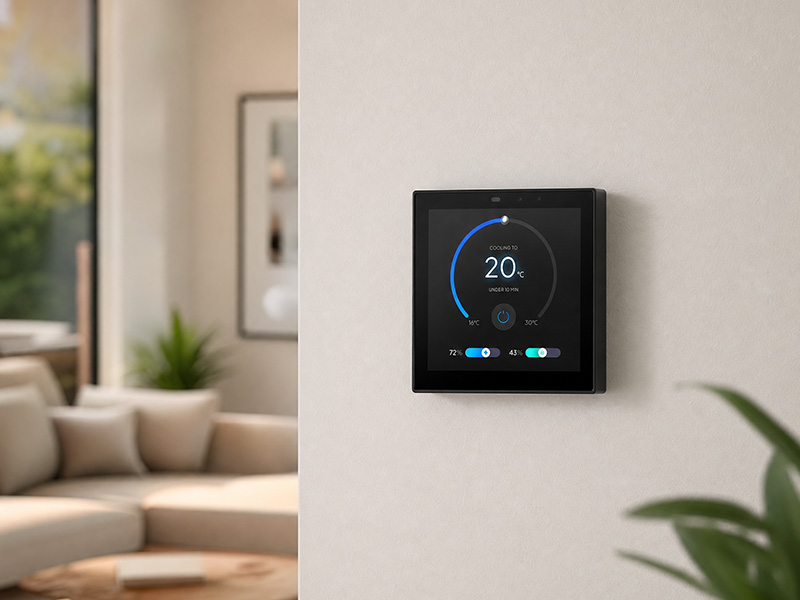
smart home control panel
4. Intelligent Curtain and Blind Automation System
Motorized curtains can be operated seamlessly through a smart control panel interface.
Key capabilities encompass:
- Curtain opening and closing operations
- Automated scheduling functionality
- Integration with customized lighting configurations
Illustrative scenario:
Morning Activation Sequence
The system executes the following actions automatically:
→ Curtains are opened
→ Illumination levels are elevated
→ Indoor climate control is adjusted accordingly
5. Enhanced Security Administration
A smart control panel facilitates the integration of comprehensive security infrastructure.
Compatible security components include:
- Electronic door locking mechanisms
- Entrance and exit sensors
- Video surveillance systems
- Motion detection devices
- Comprehensive alarm networks
Property occupants are able to promptly monitor:
- Access point conditions
- Security system notifications
- Live video surveillance footage
6. Establish Intelligent Home Automation Sequences
Smart control panels facilitate coordinated device operation across multiple systems.
Rather than managing each device separately, users have the capability to establish automated sequences that execute multiple actions simultaneously.
Departure Mode Sequence
Single activation:
- Deactivate all lighting
- Secure all entry points
- Draw window coverings
- Modify climate control parameters
Arrival Mode Sequence
Automatically executes:
- Grant entry access
- Activate interior illumination
- Program optimal climate conditions
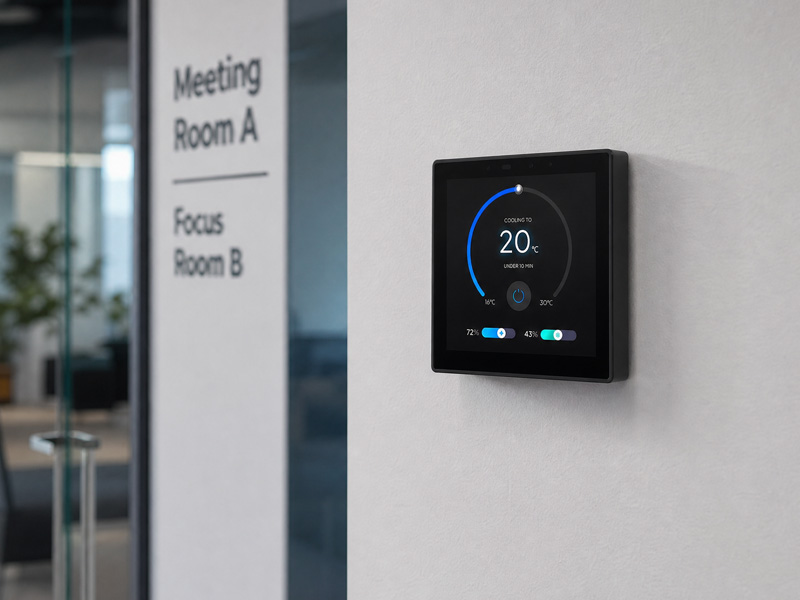
smart home control panel
7. Enhanced Convenience Compared to Smartphone Applications
While mobile applications offer considerable utility, they do not consistently represent the optimal approach for managing residential automation on a daily basis.
A wall-mounted intelligent control panel delivers:
| Feature | Smart Control Panel | Smartphone App |
|---|---|---|
| Always Available | ✅ | Requires phone |
| Family Sharing | ✅ | Individual devices |
| Wall Installation | ✅ | ❌ |
| Central Control | ✅ | Depends on apps |
| Professional Appearance | ✅ | Limited |
A smart panel becomes a permanent part of the home.
8. Enhanced Suitability for Multi-Occupant Residences
Within a household setting, not all residents desire to download and administer numerous applications.
A touchscreen interface enables:
- Children
- Guests
- Family members
to conveniently manage household automation features.
9. Compatibility with Diverse Smart Home Communication Standards
Contemporary smart control interfaces can accommodate various communication frameworks.
Prevalent standards encompass:
- Wireless
- WiFi
- Bluetooth
- Zigbee
- Matter
- Thread
- Wired
- Ethernet
- PoE
- RS485
- Modbus
This facilitates integration with numerous categories of intelligent devices.
10. Enhances Smart Home Design
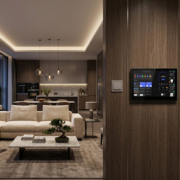
An integrated touchscreen interface delivers a refined and sophisticated aesthetic.
Advantages:
- Wall-integrated installation
- Elimination of scattered wall switches
- Personalized user interface design
- Seamless integration with contemporary décor
Typical deployment areas:
- Living spaces
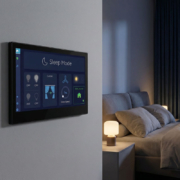
- Bedrooms
- Entry points
- Culinary areas
What Specifications Should a Home Automation Control Panel Possess?
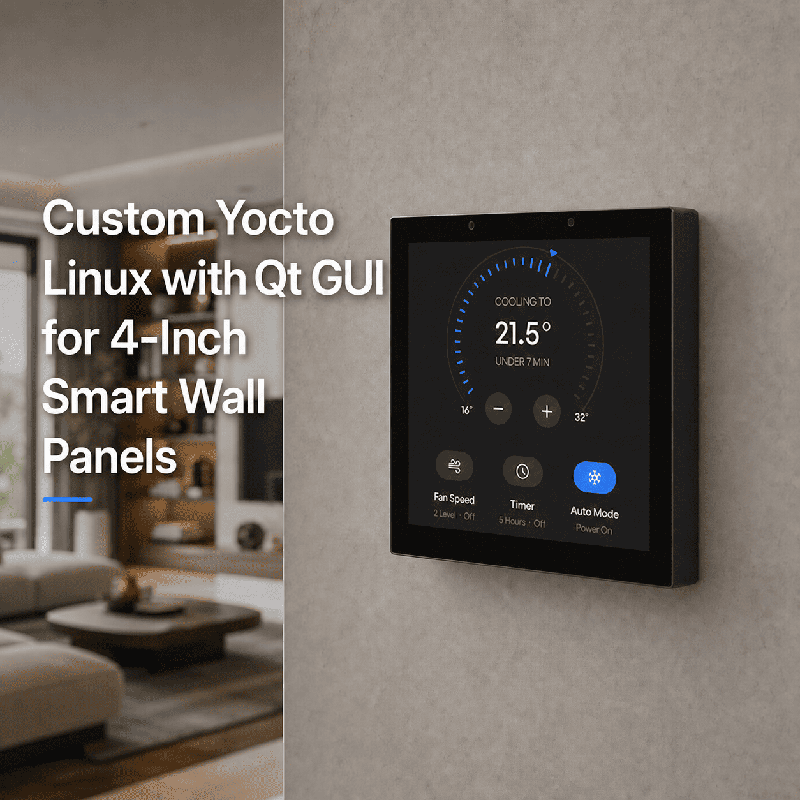
smart home control panel
An effective smart management interface should incorporate:
Hardware Components
- Capacitive touch interface
- Advanced processing unit
- Durable storage capacity
- Premium visual display
- Connectivity Options
Suggested protocols:
- Wireless networking
- Bluetooth technology
- Zigbee/Matter compatibility
- Wired network connection
- Power over Ethernet
- RS485 serial communication
Software Capabilities
Essential functionalities:
- Personalized graphical interface
- Automated scene configuration
- Remote firmware updates
- Mobile application compatibility
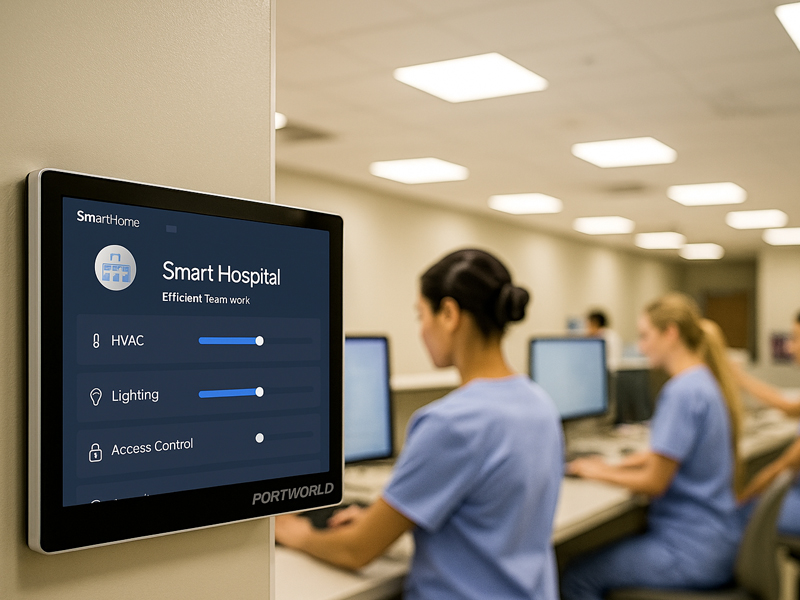
smart touch control panel8
Portworld Smart Home Control Panel Solutions
Portworld manufactures adaptable smart touchscreen panels designed for residential automation systems.
YC-SM43P — ESP32-S3 Smart Touch Panel
Applications:
- Intelligent switching systems
- Internet of Things terminals
- Integrated automation solutions
Specifications:
- ESP32-S3 microprocessor
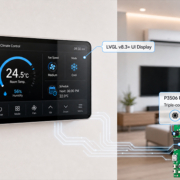
- LVGL graphical interface compatibility
- WiFi and Bluetooth connectivity
- RS485 serial communication
- Space-efficient wall-mounted design
YC-L76 — 7.6-Inch Android/Linux Smart Panel
Applications:
- Residential units
- Intelligent residential environments
- Hospitality facility management
Specifications:
- RK3566 microprocessor
- Android and Linux operating system support
- 7.6-inch capacitive touchscreen display
- Ethernet connectivity with Power over Ethernet
- Bluetooth 5.2 wireless technology
- RS485 serial interface
YC-SM10P — 10-Inch Android Smart Control Panel
Applicable For:
- Residential villas
- Comprehensive home automation systems
- Intelligent living spaces
Technical Specifications:
- 10-inch IPS display with touchscreen interface
- RK3566 central processing unit
- Android operating system
- WiFi and Bluetooth connectivity
- Ethernet connectivity with Power over Ethernet (PoE)
- RS485 protocol compatibility
The smart control panel represents a fundamental component of contemporary home automation infrastructure, as it delivers an intuitive, unified, and accessible interface for overseeing all interconnected household devices.
Primary Advantages:
- Single-touch command functionality for all household systems
- Streamlined management of illumination and climate control systems
- Programmable automation routines and customized scenarios
- Enhanced home security monitoring and control
- Seamless integration across multiple communication protocols
- Refined wall-mounted installation with professional aesthetics