Zigbee-Enabled Digital Signage Displays for Smart Buildings
As smart buildings progress, digital signage displays are transforming from basic information screens into sophisticated control and communication terminals. By incorporating wireless technologies like Zigbee, contemporary digital signage displays can interface with lighting systems, sensors, security devices, and various IoT equipment, thereby fostering smarter and more efficient building environments.
For offices, hotels, hospitals, shopping malls, and smart communities, digital signage displays equipped with Zigbee technology offer a versatile means to merge visual communication with building automation.
What Is Zigbee Technology?
Zigbee is a low-power wireless communication protocol specifically designed for IoT applications.
In comparison to conventional wireless connections, Zigbee provides:
- Low power consumption
- Reliable mesh networking
- Broad device compatibility
- Stable communication in expansive environments
It finds extensive application in:
- Smart lighting systems
- Environmental sensors
- Security devices
- Smart home automation
- Building management systems
By linking Zigbee devices with digital signage displays, organizations can establish intelligent interactive environments.
How Zigbee Functions with Digital Signage Displays
A digital signage display equipped with Zigbee technology serves as an intelligent interface between users and interconnected IoT devices.
Rather than merely showcasing:
- Advertisements
- Announcements
- Schedules
the display can also offer:
- Smart building management
- Real-time environmental data
- Device status tracking
- Interactive functionalities
For instance, a touchscreen display mounted on a wall in an office can present meeting schedules while enabling users to manage lighting and temperature via Zigbee-connected devices.
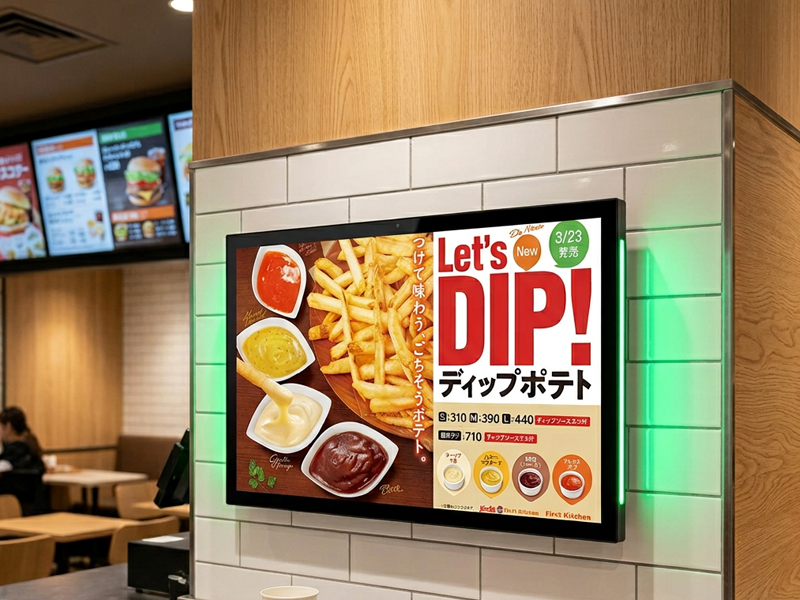
digital signage display
Uses of Zigbee Digital Signage Displays in Smart Buildings
1. Smart Office Control Panels
Contemporary offices necessitate adaptable and energy-efficient settings.
A touchscreen display enabled by Zigbee can connect with:
- Smart lighting systems
- Temperature sensors
- Motion detection devices
- Meeting room management systems
Employees can utilize the display to:
- Reserve meeting rooms
- Modify lighting settings
- Monitor environmental conditions
- Access corporate information
Portworld smart touch displays can be tailored with Android or Linux operating systems to accommodate various smart building applications.
2. Intelligent Hotels and Hospitality
Hotels are increasingly implementing smart technologies to enhance guest experiences.
Zigbee-connected digital displays can be set up in:
- Guest rooms
- Hotel lobbies
- Conference areas
Guests can utilize interactive displays to:
- Control room lighting
- Adjust smart curtains
- Request services
- Access hotel information
This results in a more convenient and tailored stay experience.
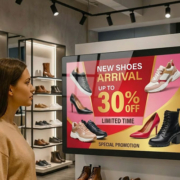
3. Intelligent Retail Stores
Retail spaces can merge digital signage with IoT automation.
Examples include:
- Advertising displays linked with smart lighting
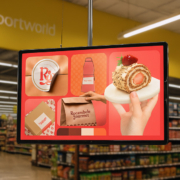
- Interactive product information screens
- Customer navigation systems
- Automated store environments
A Zigbee-enabled display can activate various lighting effects or promotional content depending on store conditions.
4. Hospitals and Healthcare Facilities
Smart healthcare settings necessitate effective information management.
Digital signage displays integrated with Zigbee devices can facilitate:
- Patient information displays
- Room status monitoring
- Environmental control
- Nurse station communication
Wireless connectivity simplifies installation in extensive healthcare facilities.
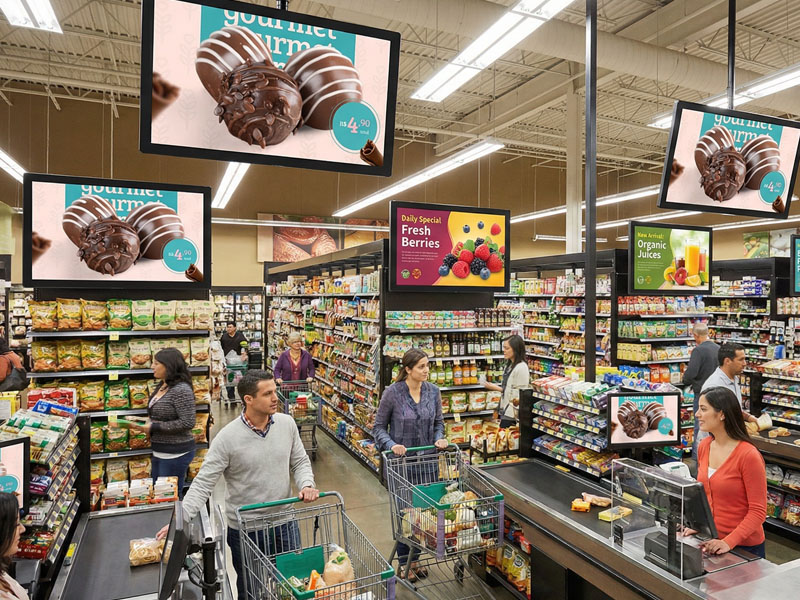
digital signage display
Hardware Specifications for Zigbee Digital Signage Displays
In order to facilitate smart building applications, the hardware for digital signage must possess adaptable computing and connectivity features.
Robust Embedded Processors
Contemporary smart displays may utilize processors such as:
- Rockchip RK3566
- RK3568
- RK3576
- RK3588
These processors offer:
- Seamless user interface performance
- Multimedia playback capabilities
- Support for IoT applications
- AI processing functionalities
Diverse Connectivity Options
Displays designed for smart buildings frequently incorporate:
- Wi-Fi
- Ethernet
- Bluetooth
- Zigbee
- NFC/RFID
This enables integration with various building automation systems.
Versatile Operating Systems
Displays equipped with Zigbee can operate on:
- Android
- Linux
- Debian
- Yocto Linux
This allows developers to tailor the software environment and incorporate their own smart building solutions.
Portworld Smart Building Display Solutions
Portworld offers customizable touchscreen display solutions tailored for IoT and smart building applications.
Products include:
Smart Touch Panels
Ideal for:
- Smart home control
- Building automation interfaces
- Room control systems
PoE Touch Displays
Features consist of:
- Single-cable power and network connection
- Wall-mounted installation
- Remote management support
Interactive Digital Signage Displays
Intended for:
- Office information systems
- Hotel automation
- Retail interaction
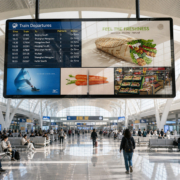
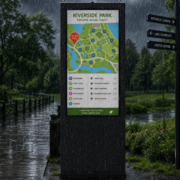
- Public information displays
Portworld provides OEM/ODM customization options, which encompass:
- Processor selection
- Android/Linux firmware customization
- Zigbee module integration
- NFC/RFID integration
- Camera integration
- Customized enclosure design
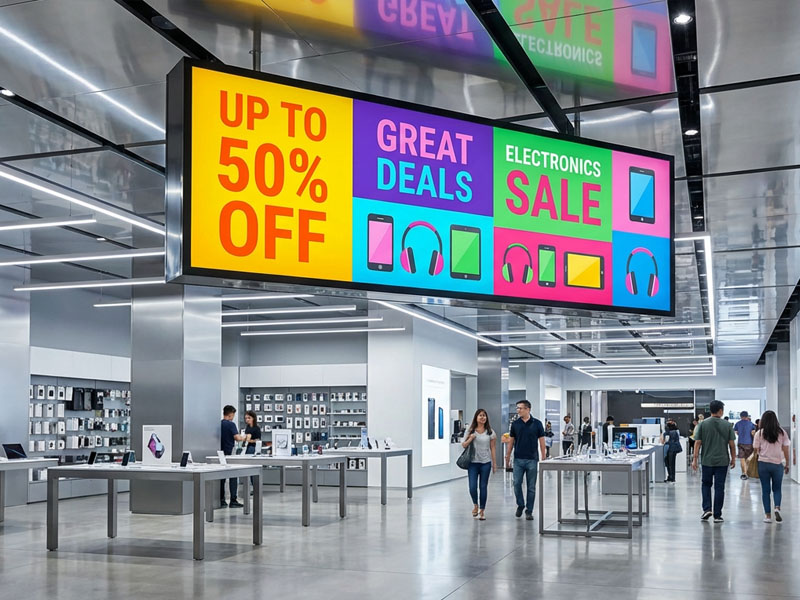
ultra-wide stretched bar digital signage screens-1
Advantages of Zigbee-Enabled Digital Signage Displays
Enhanced Building Automation
Facilitate the connection of numerous IoT devices via a single interactive interface.
Reduced Installation Expenses
The use of wireless Zigbee communication minimizes the need for intricate wiring setups.
Improved User Experience
Users can retrieve information and manage devices from a single display.
Energy Efficiency
Intelligent sensors and automated controls contribute to the optimization of energy consumption.
Zigbee-enabled digital signage displays are increasingly recognized as a vital element of smart buildings, merging digital communication with IoT automation.
From intelligent offices and hotels to retail environments and healthcare facilities, these advanced displays offer an effective means to oversee information, control interconnected devices, and enhance user experiences.