Which Operating System Is Easier to Customize for a Smart Control Panel?
Selecting Between Android and Linux for Smart Panel Customization
The ability to customize is a crucial aspect when creating a smart control panel for environments such as smart homes, hotels, offices, and industrial automation systems. Both Android and Linux smart control panels facilitate touchscreen applications and IoT integration, yet they provide varying degrees of customization based on the specific project needs.
Generally, Android offers a more straightforward approach to application-level customization, whereas Linux allows for more extensive system-level customization. The appropriate choice hinges on whether the objective is to swiftly develop a user interface and application or to thoroughly optimize the hardware and embedded system.
Android Smart Control Panels: Simplified Application and UI Customization
Android is frequently regarded as more accessible for customization by companies that prioritize user experience and application development.
Due to its well-established ecosystem and support for widely-used development tools, developers can efficiently create tailored smart control panel applications. The development process resembles that of mobile app development, which simplifies the task of finding skilled developers and crafting interactive interfaces.
Typical Android customization features include:
- Custom touchscreen applications
- Tailored launcher interfaces
- Brand-specific UI design
- Pre-installed applications
- Integration with cloud platforms
- Connectivity with mobile apps
For instance, a hotel brand might personalize an Android smart control panel by incorporating its logo, a welcome screen, room service functionalities, a lighting control interface, and applications aimed at enhancing the guest experience.
Android is an excellent option for projects where rapid development and engaging user interaction are of utmost importance.
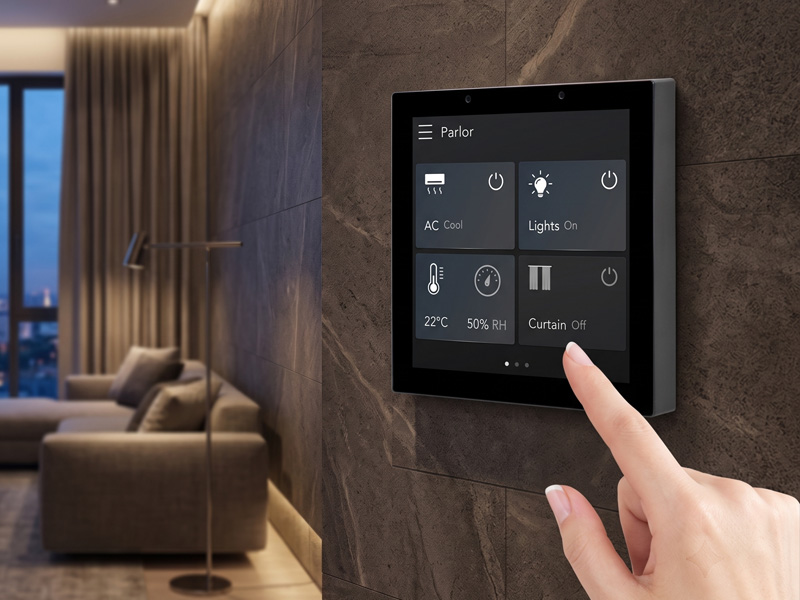
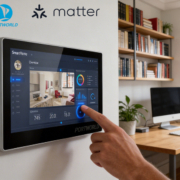
Smart Home Touch Control Panel
Linux Smart Control Panels: Enhanced Hardware and System Customization
Linux offers increased flexibility for organizations requiring comprehensive control over their embedded systems.
In contrast to Android, Linux enables developers to modify nearly every aspect of the system, which includes:
- Linux kernel
- Device drivers
- Boot process
- System services
- Hardware interfaces
- Communication protocols
This characteristic renders Linux more appropriate for industrial automation, advanced HMI systems, and long-term embedded solutions.
For instance, a manufacturer designing a tailored industrial control terminal might require specific RS485 communication, specialized sensors, personalized boot screens, and optimized system performance. Linux delivers the necessary flexibility to meet these specifications.
Utilizing frameworks like Qt/QML and LVGL, developers can also design contemporary touchscreen interfaces while retaining complete control over the embedded environment.
Comparison of Customization: Android vs Linux
The distinctions between Android and Linux customization can be outlined as follows:
Android excels in:
- Application development
- User interface customization
- Integration of third-party software
- Multimedia applications
- Rapid product development
Linux, on the other hand, is superior in:
- Hardware customization
- Development of custom firmware
- Applications in industrial settings
- System optimization
- Long-term deployment in embedded systems
For numerous smart home brands, Android significantly shortens development time, allowing developers to concentrate primarily on application creation rather than low-level system development.
Conversely, for companies designing specialized smart panels, Linux provides greater flexibility to optimize the entire product.
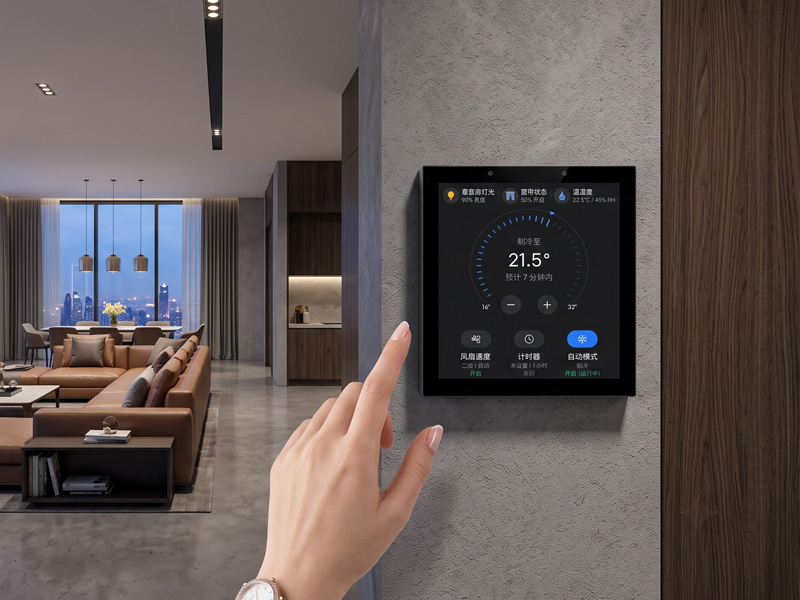
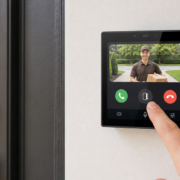
Smart Home Touch Control Panel
Which Option Should You Select for a Smart Control Panel?
The decision is contingent upon the intended application.
For smart homes, hotels, and commercial touch terminals, Android is frequently a suitable option due to its advantages:
- Quicker software development
- Enhanced application compatibility
- Simpler UI updates
- A more user-friendly experience
Conversely, for industrial automation, building control, and tailored embedded systems, Linux is typically favored because it offers:
- Greater system control
- Improved hardware integration
- Reduced resource requirements
- More dependable long-term performance
Numerous professional smart panel manufacturers also accommodate both platforms, enabling clients to choose the operating system that aligns with their project requirements.
Portworld Android and Linux Smart Control Panel Customization
Portworld delivers tailored smart control panel solutions based on Android and Linux platforms for smart homes, hotels, offices, and industrial uses.
Products like the YC-SM41P support Android/Linux development options and offer a versatile platform with touchscreen control, Ethernet, RS485, WiFi, Bluetooth, and PoE connectivity.
The YC-SM08P Android smart control panel is powered by the RK3566 processor and operates on the Android 11 system, providing a robust platform for smart home automation, hotel management, and meeting room applications.
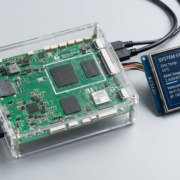
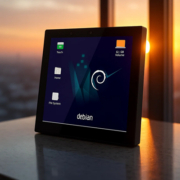
The YC-1011 10.1-inch smart control panel is compatible with Android 11 and Debian Linux, utilizing the RK3568 processor, making it ideal for sophisticated smart building and customized automation solutions.
For embedded IoT and HMI applications, the YC-SM43P ESP32-S3 smart panel supports LVGL graphical development and offers flexible firmware customization.
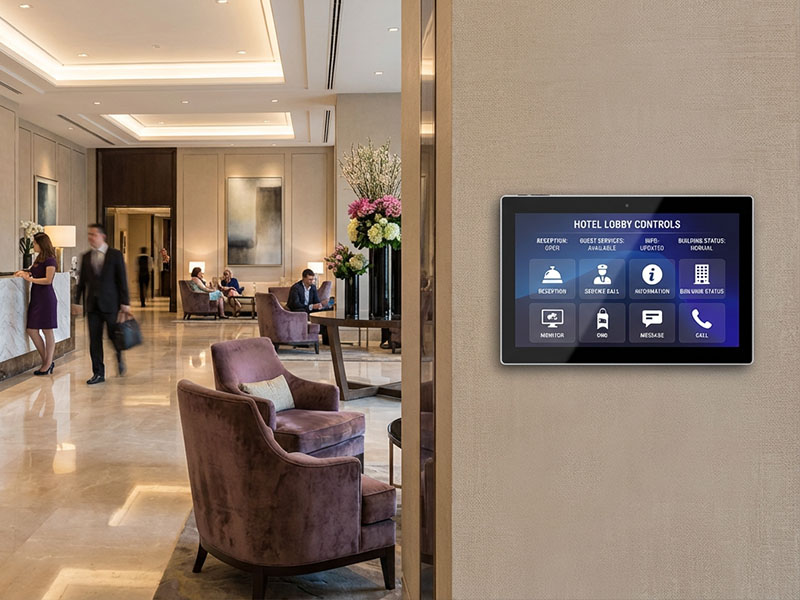
YC-SM10P
10.1 inch Smart Home Control Panel
OEM/ODM Customization Services for Smart Panels
The customization of the operating system is merely one aspect of the development of smart panels. Portworld offers comprehensive OEM/ODM services, which encompass:
- Customization of Android firmware
- Customization of Linux/Debian systems
- Development of Yocto Linux BSP
- Optimization of kernel and drivers
- Development of Qt/QML interfaces
- Creation of custom applications
- Design of PCBA
- Customization of hardware interfaces
- Customization of enclosures and logos
This enables clients to create smart control panels that align with their specific automation platforms and market needs.
When inquiring about which operating system is simpler to customize for a smart control panel, the response varies based on the nature of the required customization.
Android offers ease of customization for applications and interfaces, making it particularly suitable for smart homes, hotels, and commercial touch terminals. Conversely, Linux demands more technical development but grants greater control over hardware and system functionality, rendering it appropriate for industrial and professional automation applications.