What Is the Difference Between Yocto and Debian?
When creating embedded smart devices such as smart touch panels, industrial HMIs, IoT gateways, and smart home control terminals, selecting the appropriate Linux operating system is a crucial choice. Two widely recognized options are Yocto Linux and Debian Linux.
Despite both being Linux-based systems, they cater to different needs. Yocto is designed for building a tailored embedded Linux platform, whereas Debian offers a comprehensive general-purpose Linux distribution with an extensive software ecosystem.
In the context of smart control panels and embedded devices, the decision between Yocto and Debian hinges on various factors, including customization needs, hardware capabilities, development duration, and product lifecycle management.
What Is Yocto Linux?
The Yocto Project is not a conventional Linux distribution. Rather, it serves as a framework that enables developers to construct a customized Linux operating system tailored specifically for their hardware platform.
With Yocto, manufacturers have the ability to choose:
- Kernel configuration
- Device drivers
- System libraries
- Applications
- Boot process
- File system structure
This flexibility makes Yocto particularly well-suited for embedded products where performance, reliability, and long-term maintenance are critical.
For instance, a manufacturer of smart wall panels can develop a lightweight Linux image that includes only the essential components for:
- Touchscreen control
- Qt/QML interface
- Communication protocols
- IoT services
- Remote update functionalities
What is Debian Linux?
Debian is among the most popular Linux distributions available. It offers a comprehensive operating system environment that includes thousands of pre-packaged software applications.
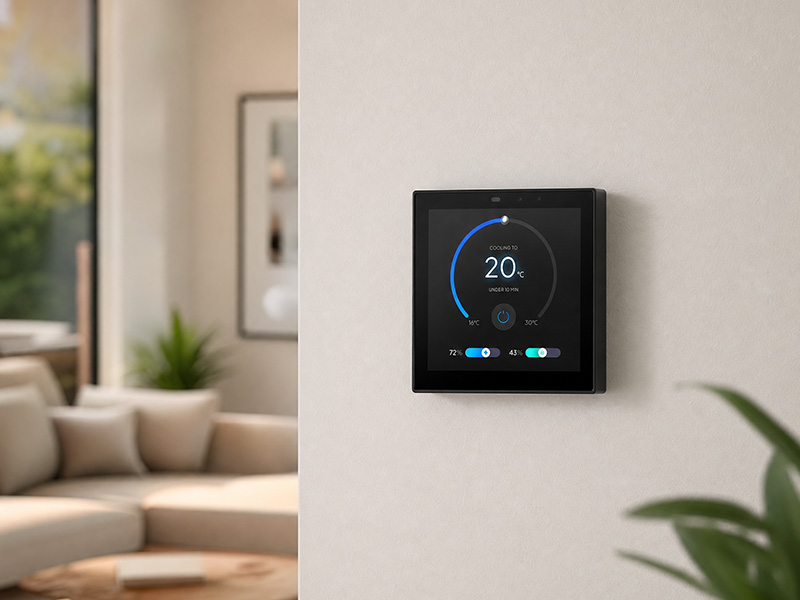
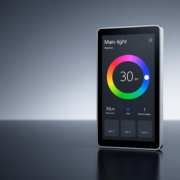
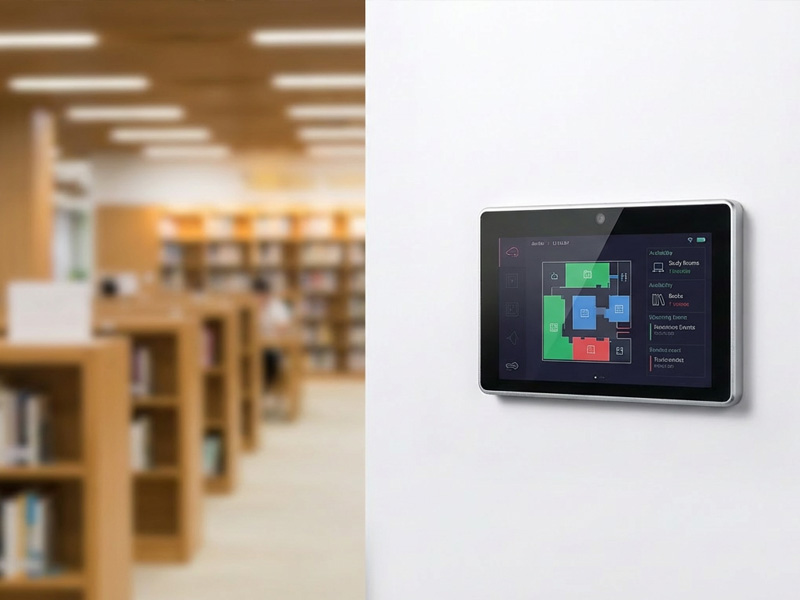
smart home control panel
The key benefits of Debian are:
- Extensive software ecosystem
- Simple application installation
- Environment conducive to developers
- Robust community support
- Accelerated software development
In the realm of smart home projects, Debian is frequently utilized by developers seeking flexibility and compatibility with current Linux applications.
Examples of its use include:
- Home Assistant hubs
- IoT gateways
- Smart automation servers
- Local control platforms
The primary distinction lies in the level of customization compared to convenience.
Yocto offers manufacturers total control over the operating system.
In contrast, Debian delivers a pre-configured Linux environment that facilitates quicker development.
| Feature | Yocto Linux | Debian Linux |
|---|---|---|
| System customization | Very high | Medium |
| Development speed | Longer initial development | Faster setup |
| Firmware size | Highly optimized | Larger |
| Hardware control | Excellent | Good |
| Software packages | Limited/custom | Extensive |
| Long-term product support | Excellent | Good |
| Best for | Embedded products | General Linux applications |
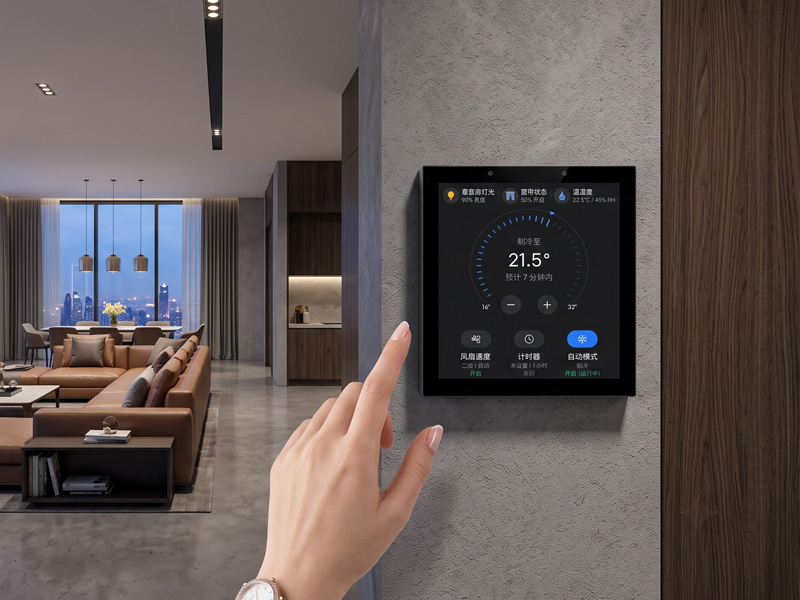
Smart Home Touch Control Panel
Advantages of Yocto for Smart Touch Panels
Yocto offers numerous significant benefits for commercial smart panels.
1. Enhanced Performance
By enabling manufacturers to eliminate unnecessary components, Yocto systems can achieve:
- Quicker boot times
- Reduced memory consumption
- Improved hardware efficiency
This is crucial for wall-mounted panels that require immediate responsiveness after being powered on.
2. Superior Hardware Integration
Smart panels frequently incorporate specialized hardware such as:
- Touch controllers
- RS485 modules
- PoE interfaces
- KNX communication
- Sensors
- Cameras
Yocto empowers developers to fine-tune drivers and system components specifically tailored to the hardware platform.
3. Extended Product Lifecycle
Commercial smart devices often necessitate support for 5-10 years or even longer.
Yocto offers enhanced control over:
- Software versions
- Security updates
- System stability
- Firmware management
This is particularly beneficial for hotels, smart buildings, and industrial applications.
Advantages of Debian for Smart Touch Panels
Debian offers significant benefits, particularly for open automation initiatives.
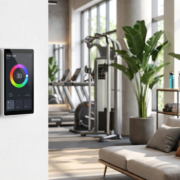
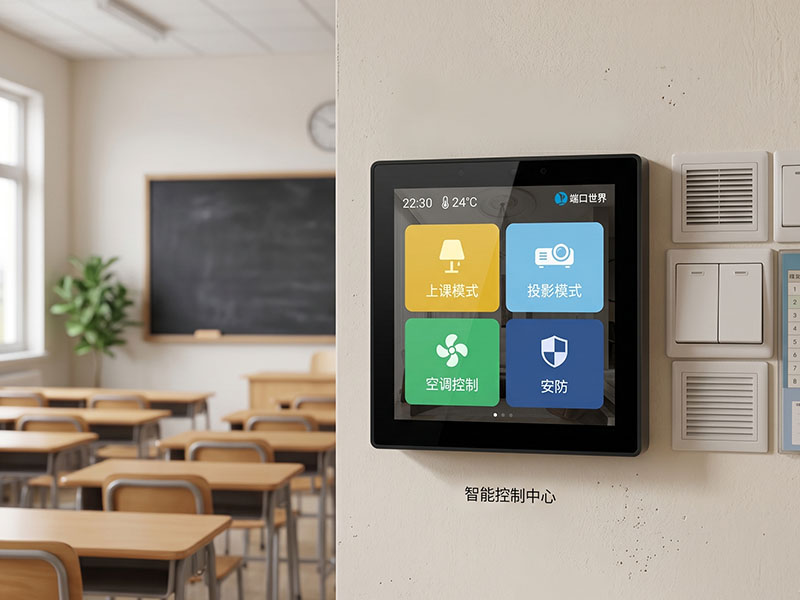
smart home control panel
1. Accelerated Development
Developers can swiftly install software packages and tools without the need to construct a complete Linux image.
This characteristic renders Debian ideal for projects that demand quick development.
2. Robust Software Compatibility
Debian is compatible with a wide array of existing applications, facilitating easier integration:
- Home Assistant
- Docker
- Web applications
- Database systems
- Automation platforms
3. Simplified Maintenance
For organizations accustomed to Linux servers and desktop environments, Debian presents a familiar setting.
Which Option Is Superior for Smart Home Control Panels?
There is no definitive answer. The optimal choice is contingent upon the specific application.
Yocto Linux is preferable for:
- Commercial smart wall panels
- Hotel automation systems
- Industrial HMI terminals
- Mass production devices
- Products necessitating customized firmware
Debian Linux is more suitable for:
- Home Assistant smart hubs
- IoT development platforms
- Open-source projects
- Applications that require numerous Linux packages
4″ KNX Smart Touch Control Panel
Portworld Linux Smart Panel Solutions
Portworld offers smart touch panel solutions that accommodate various Linux environments based on project specifications.
For embedded commercial applications, Portworld endorses:
- Yocto Linux BSP customization
- Debian Linux system development
- Qt/QML interface customization
- Kernel and driver optimization
- Firmware development
Portworld smart panels utilizing Rockchip platforms such as RK3566, RK3568, and RK3588 deliver versatile hardware foundations for smart homes, hotels, industrial control, and building automation.
For instance, Portworld smart touch panels can facilitate:
– Touchscreen interaction
– Ethernet communication
– RS485 integration
– PoE deployment
– Customized UI applications
Yocto and Debian are both powerful Linux solutions, but they are designed for different purposes.
Debian provides convenience, compatibility, and fast development, making it ideal for open smart home platforms and IoT applications.
Yocto provides deeper customization, better optimization, and stronger lifecycle control, making it a preferred choice for professional embedded smart panels and commercial products.