Smart Home Panel Pre-Installed with Home Assistant and Zigbee2MQTT
The smart home industry is progressing towards more open, adaptable, and privacy-centric automation solutions. While numerous conventional smart home systems rely significantly on cloud services and proprietary ecosystems, an increasing number of users and system integrators are opting for local-control solutions that offer enhanced customization and dependability.
A smart home panel that comes pre-installed with Home Assistant and Zigbee2MQTT merges an intuitive touchscreen interface with robust open-source smart home software, establishing a centralized control hub for lighting, sensors, HVAC, security devices, and IoT technology.
For smart home brands, installers, and automation firms, this kind of embedded smart panel serves as a versatile foundation for creating tailored intelligent living solutions.
Reasons for Home Assistant’s Popularity in Smart Home Control
Home Assistant has emerged as one of the most widely embraced open-source smart home platforms due to its adaptability and broad device compatibility.
In contrast to closed smart home ecosystems, Home Assistant enables users to integrate devices from various brands into a single cohesive automation system.
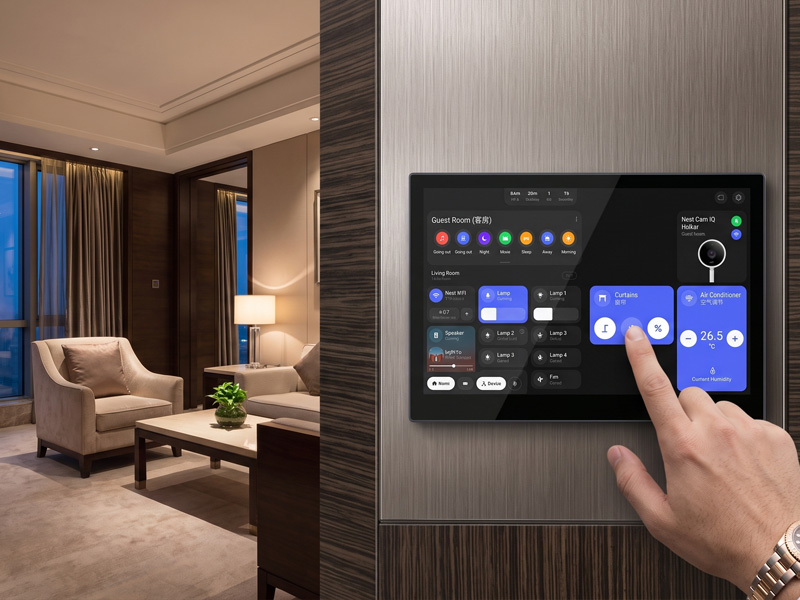
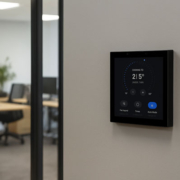
smart home control panel
A smart panel operating Home Assistant can offer:
- Local device management
- Custom automation scenarios
- Real-time status tracking
- Integration of multi-brand devices
- Personalized dashboards
For instance, users can establish automation scenarios such as:
- Activating lights upon motion detection
- Modifying HVAC settings based on temperature readings
- Automatically closing curtains at night
- Engaging security modes when departing from home
This positions Home Assistant as an optimal platform for sophisticated smart home initiatives.
The Function of Zigbee2MQTT in Smart Home Integration
Zigbee stands out as one of the leading wireless protocols for smart home devices due to its efficient power usage and dependable mesh networking capabilities.
Nonetheless, various Zigbee devices may rely on different manufacturers’ gateways, leading to compatibility issues.
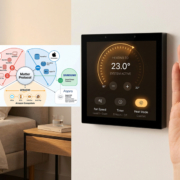
Zigbee2MQTT addresses this challenge by offering a versatile bridge between Zigbee devices and smart home platforms like Home Assistant.
Through Zigbee2MQTT integration, a smart home panel can interface with a range of devices, including:
- Smart switches
- Sensors
- Smart lighting
- Door and window sensors
- Motion detectors
- Temperature sensors
This enables users and system integrators to create highly tailored automation systems without being confined to a single ecosystem.
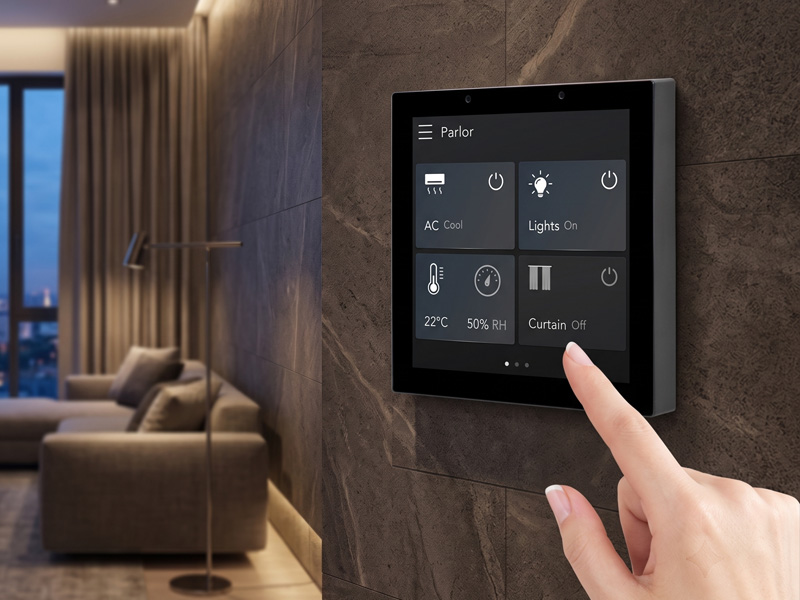
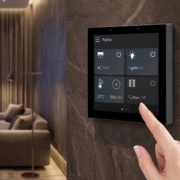
Smart Home Touch Control Panel
Smart Touch Panels Serve as the Interface for Local Smart Homes
A smart home panel functions not only as a controller but also as the primary interaction point between users and automation systems.
In contrast to mobile applications, wall-mounted touch panels offer a more intuitive experience since they are consistently accessible within the living environment.
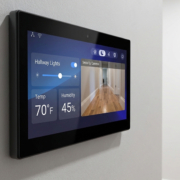
A Home Assistant smart panel can showcase:
- Lighting control dashboards
- Room temperature data
- Security status
- Energy consumption metrics
- Automation scenes
- Device conditions
In high-end residences, apartments, and smart buildings, a dedicated wall panel enhances the user experience by providing a more professional and cohesive interface.
Embedded Hardware Requirements for Home Assistant Smart Panels
To operate Home Assistant and Zigbee2MQTT effectively on a smart panel, dependable embedded hardware performance is essential.
An appropriate smart home panel should deliver:
- Stable processor performance
- Adequate memory and storage
- Touchscreen optimization
- Network connectivity
- Versatile operating system support
Contemporary embedded platforms utilizing Rockchip processors can offer the necessary performance for sophisticated smart home interfaces.
Linux-based systems are particularly well-suited for local automation applications, as they allow for enhanced control over system configuration and long-term functionality.
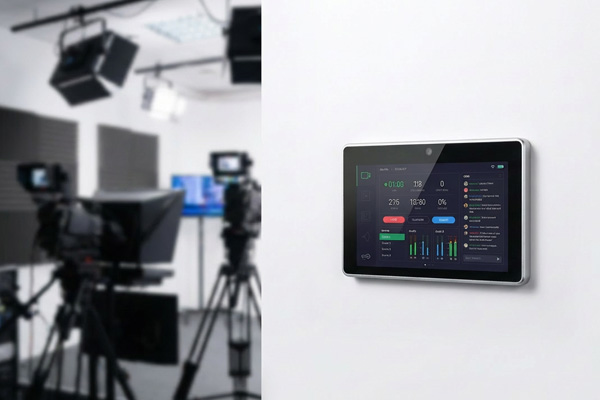
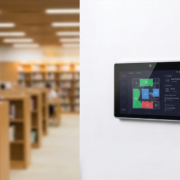
smart home control panel
Portworld Smart Home Panel Solutions for Home Assistant Integration
Portworld offers tailored smart touch panel solutions designed for smart homes, hotels, offices, and building automation systems.
With extensive experience in embedded hardware development, Portworld facilitates the creation of Android/Linux-based smart panels that can be adapted for open-source smart home platforms like Home Assistant.
For instance, the YC-SM41P 4-inch smart touch control panel delivers a compact wall-mounted option featuring:
- PX30 quad-core Cortex-A35 processor
- Support for Android 11/13 and Linux Debian
- 480×480 capacitive touchscreen
- Connectivity options including Ethernet, WiFi, and Bluetooth
- RS485 communication
- Support for 48V PoE
For scenarios that necessitate larger dashboards, the YC-SM116P 11.6-inch smart touch control panel offers a more robust platform built on the RK3568 architecture.
It includes:
- A large IPS touchscreen display
- Customization options for Android/Linux
- Ethernet connectivity
- RS485 communication
- An optional PoE solution
- Tailored smart home applications
These platforms serve as versatile hardware foundations for smart control solutions based on Home Assistant.
Custom Linux and Firmware Development for Smart Home Initiatives
In the realm of professional smart home products, having pre-installed software is merely the starting point. Manufacturers frequently require tailored firmware and system enhancements.
Portworld offers support for:
- Customization of Linux firmware
- Development using Yocto Linux
- Customization of Buildroot systems
- Development of Board Support Packages (BSP)
- Integration of drivers
- Optimization of applications
Development of custom user interfaces
This enables clients to design branded smart home panels featuring their unique interfaces and automation capabilities.
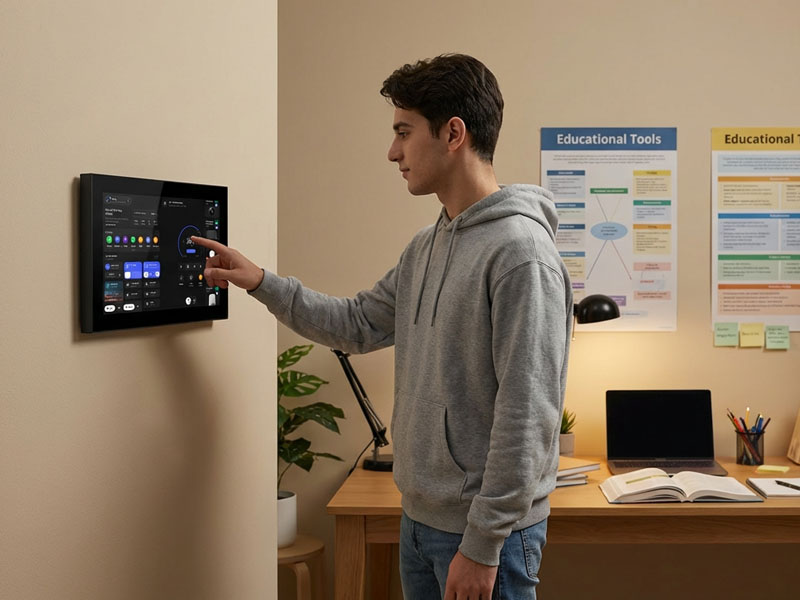
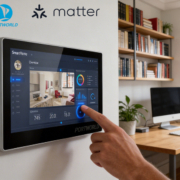
10 inch smart home control panel
Applications of Home Assistant and Zigbee2MQTT Smart Panels
A smart home panel equipped with Home Assistant and Zigbee2MQTT can be utilized across a variety of settings.
Luxury Smart Homes
Centralized management for lighting, climate, security, and entertainment systems.
Smart Apartments
Standardized automation solutions applicable to multiple residential units.
Hotels
Control of guest rooms, energy management, and tailored services.
Smart Offices
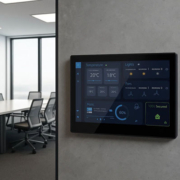
Automation of workspaces and management of environmental conditions.
Building Automation Projects
Integration of various IoT devices and control systems.