How to Choose an Android Smart Control Panel
As smart homes, hotels, offices, and intelligent buildings continue to evolve rapidly, touchscreen control panels are becoming a vital component of contemporary automation systems. In contrast to traditional switches and single-function controllers, an Android smart control panel offers a more adaptable and interactive method for managing lighting, HVAC, curtains, security systems, and IoT devices through a unified interface.
The widespread adoption of Android-based smart panels can be attributed to their ability to merge the versatility of the Android ecosystem with robust embedded hardware performance. Users have the ability to install tailored applications, integrate third-party platforms, and develop personalized control interfaces for various automation projects.
Nevertheless, selecting the appropriate Android smart control panel necessitates thorough evaluation of hardware performance, display quality, connectivity options, installation design, and customization capabilities.
Selecting the Appropriate Processor for Your Application
The processor plays a crucial role in determining the performance of an Android smart control panel. Various automation applications necessitate different levels of computational power.
For fundamental smart home control, a low-power processor can ensure efficient operation for managing lighting, curtains, and HVAC systems. Conversely, for more sophisticated applications such as hotel automation, meeting room management, multimedia interfaces, and commercial building oversight, a more robust processor is advisable.
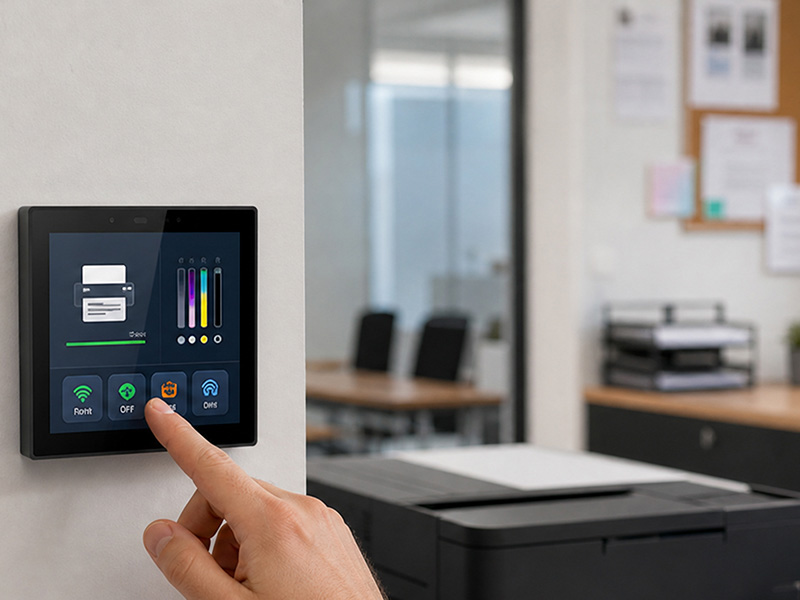
ESP32 4″ Smart Touch Panel
Common embedded processors utilized in Android smart panels include:
- Rockchip RK3566/RK3568 for smart home and commercial automation
- RK3588 for high-performance AI and multimedia applications
- MTK and Qualcomm platforms for tailored industrial solutions
A powerful processor guarantees quicker UI responses, smoother animations, and enhanced support for intricate applications.
Choosing the Right Display Size and Touch Experience
The display serves as the main interaction interface of an Android smart control panel. The ideal screen size is contingent upon the installation environment and application needs.
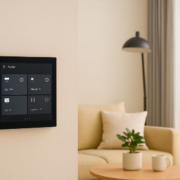
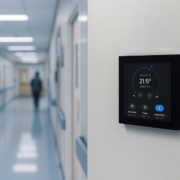
Compact panels, such as 4-inch displays, are appropriate for:
- Wall switch replacements
- Hotel room control
- Bedroom automation
- Basic IoT management
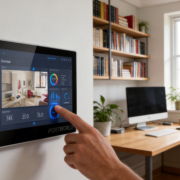
Larger displays, such as 8-inch and 10.1-inch panels, are more suitable for:
- Luxury residences
- Smart villas
- Meeting rooms
- Office automation
- Building management systems
A high-quality Android smart panel should offer:
- IPS display technology
- High brightness for various lighting conditions
- Capacitive multi-touch support
- Seamless gesture interaction
- Clear visual interface
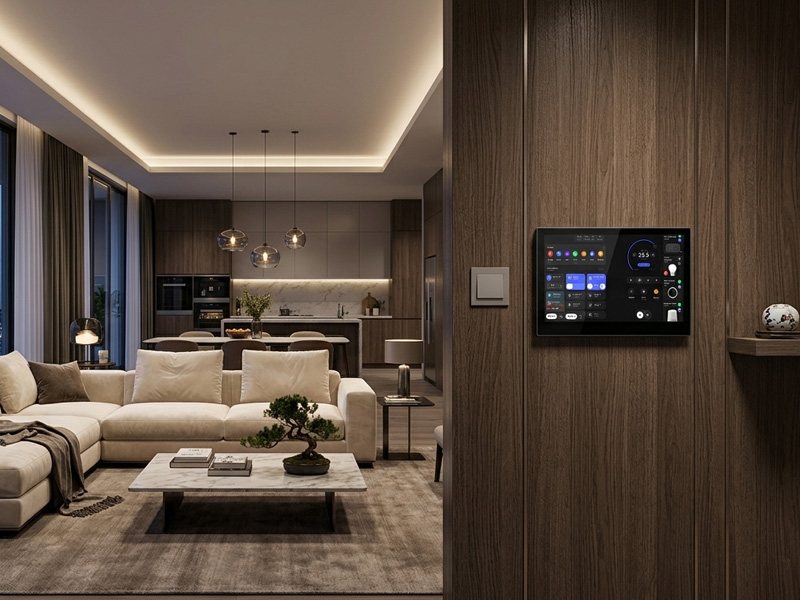
smart home control panel-1
Consider Connectivity and Smart Home Integration
A professional Android smart control panel ought to support various communication methods to facilitate integration with diverse automation systems.
Common connectivity options encompass:
WiFi and Bluetooth
These are utilized for wireless device communication, cloud platforms, and mobile applications.
Ethernet and PoE
This option offers stable network communication and simplifies installation through a single cable.
RS485
This is extensively employed in professional automation projects for linking HVAC systems, industrial devices, and building control equipment.
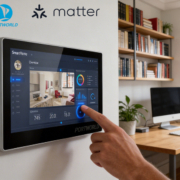
Zigbee, Thread, and Matter
These technologies support contemporary smart home ecosystems and low-power IoT devices.
Selecting a panel with versatile connectivity options guarantees enhanced compatibility with future automation enhancements.
Consider Android Version and Software Customization
The Android version significantly influences application compatibility and the product’s lifecycle.
For commercial endeavors, Android 11 or later versions are typically favored due to their improved security, application support, and long-term availability.
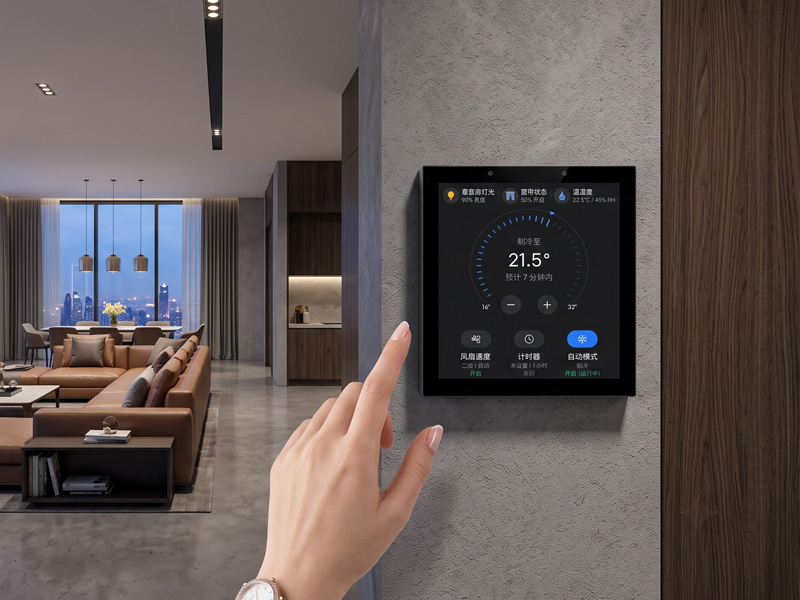
Smart Home Touch Control Panel
A customizable Android smart control panel should accommodate:
- Custom launcher design
- Tailored UI interface
- Pre-installed applications
- Remote firmware updates
- SDK and API integration
For brands and system integrators, software customization holds particular importance as the control panel must align with their specific automation platform and user experience.
Check Installation Compatibility and Product Design
Installation design is a crucial factor, particularly for international projects.
An effective Android smart control panel should adhere to standard wall installation specifications, which include:
- UK 86-type wall boxes
- EU wall boxes
- US wall boxes
Flush-mount compatibility enables contractors to minimize installation alterations and enhance project efficiency.
The design of the enclosure is also significant for high-end applications. Aluminum casings, tailored colors, and branded interfaces can assist smart panels in aligning more closely with luxury residences, hotels, and commercial interiors.
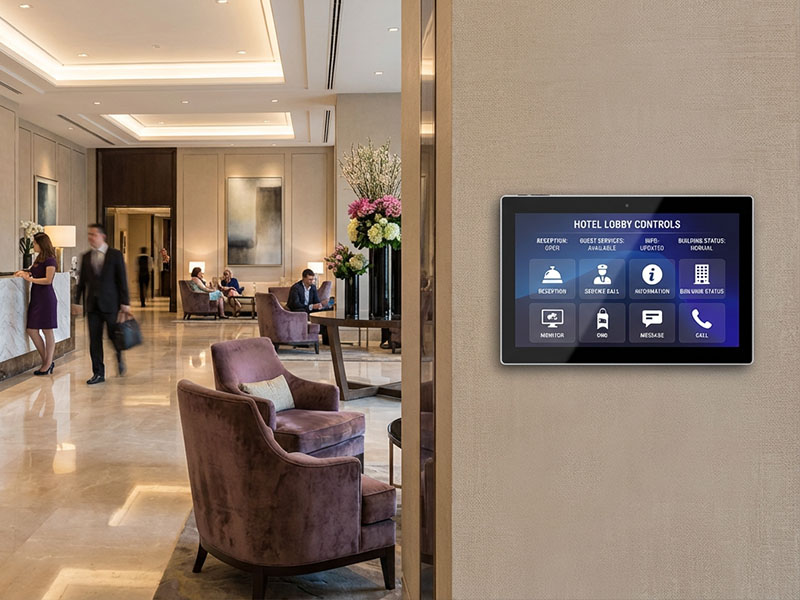
YC-SM10P
10.1 inch Smart Home Control Panel
Portworld Android Smart Control Panel Solutions
Portworld offers Android smart touch control panels tailored for smart home, hotel, office, and commercial automation uses.
The YC-SM41P 4-inch smart touch panel is a compact solution compatible with Android/Linux, designed for wall-mounted control applications. It facilitates touchscreen interaction, Ethernet, RS485 communication, and PoE options, making it ideal for smart room control and IoT applications.
The YC-SM08P 8-inch Android smart control panel is equipped with the RK3566 quad-core processor and operates on Android 11. Featuring an IPS touchscreen, WiFi, Bluetooth, Ethernet, PoE support, and RS485 interface, it serves as a robust platform for smart homes, hotels, and office automation.
The YC-1011 10.1-inch smart control panel delivers enhanced performance with the RK3568 processor and supports both Android 11 and Debian Linux. It is intended for sophisticated applications such as smart building control, meeting room automation, and centralized device management.
These Android smart panels can be tailored to meet project specifications, including hardware configuration, software functionalities, UI design, and mechanical aesthetics.
OEM/ODM Customization for Android Smart Panels
For businesses engaged in the development of their own smart automation solutions, Portworld offers comprehensive OEM/ODM customization services.
Hardware customization encompasses:
- Tailored PCBA design
- Selection of processors
- Expansion of interfaces
- Integration of cameras, speakers, microphones, and sensors
Software customization includes:
- Development of Android firmware
- Optimization of systems
- Creation of custom applications
- Design of UI/UX
- Support for SDK and BSP
Portworld also facilitates product branding customization, which includes the design of enclosures, logo printing, packaging, and tailored user interfaces.
Selecting the appropriate Android smart control panel necessitates a careful consideration of performance, display quality, connectivity, installation design, and the flexibility of customization.
For basic room control, a compact Android panel may suffice. However, for hotels, offices, and smart buildings, larger displays equipped with robust processors, PoE connectivity, and customized software offer a more comprehensive automation solution.