How Does a Smart Home Control Panel Control Smart Devices
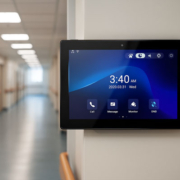
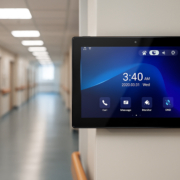
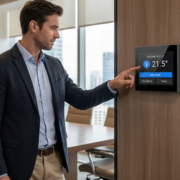
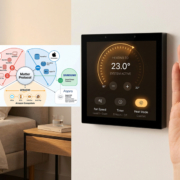
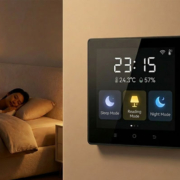
A smart home control panel functions as a unified touchscreen interface that enables users to observe and manage various smart devices from a single location. Rather than relying on multiple applications, physical switches, and remote controls, property owners can regulate illumination, climate control systems, window treatments, security infrastructure, and Internet of Things devices via one integrated system.
However, what mechanisms enable a smart home control panel to establish communication with smart devices?
The underlying mechanism typically comprises communication protocols, gateway devices, and automation software operating in concert.
Smart Home Control System Architecture
A conventional smart home configuration is structured as follows:
|
———————————
| | | |
WiFi Zigbee RS485 Bluetooth
| | | |
Smart Sensors HVAC Devices
Lights Controller
|
Smart Home Devices
The control panel sends commands to connected devices and receives feedback about their status.
1. Touchscreen Interface Transmits Commands
The procedure commences upon user engagement with the control panel.
Example:
User selects:
Living Room → Lights → 50% Brightness
The smart home application translates this selection into a control directive.
Touch Command
↓
Smart Home App
↓
Communication Protocol
↓
Smart Device
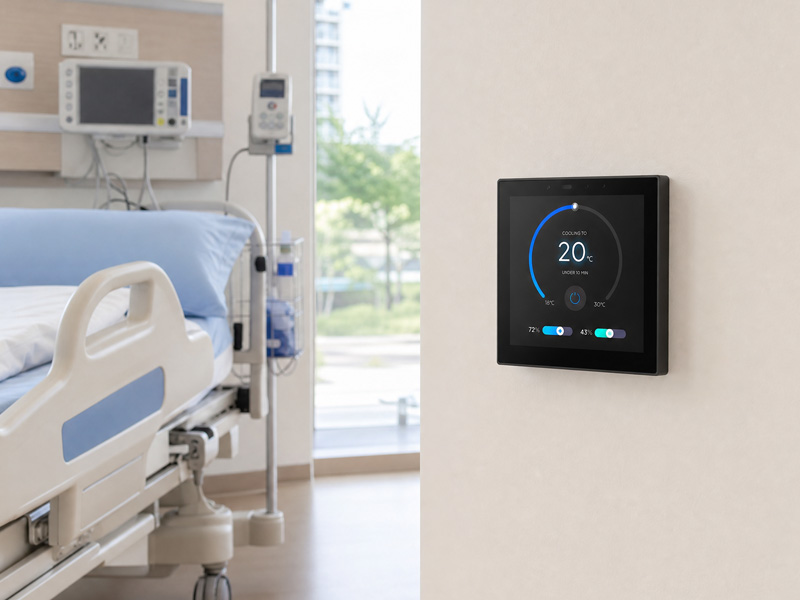
smart home control panel-1
2. Data Transfer Through Communication Protocols
Smart panels employ various communication technologies tailored to specific device categories.
WiFi
WiFi represents the predominant communication standard for internet-enabled smart devices.
Applicable to:
- Intelligent lighting systems
- Smart power outlets
- Video surveillance equipment
- Cloud-integrated devices
Key Benefits:
- Rapid data transmission rates
- Simplified network connectivity
- Cloud platform compatibility
Zigbee
Zigbee serves as the preferred protocol for energy-efficient smart home applications.
Typical Applications:
- Environmental sensors
- Intelligent switching mechanisms
- Advanced lighting fixtures
- Automated window coverings
Key Benefits:
- Minimal energy requirements
- Self-healing mesh topology
- Extensive device scalability
Example:
Smart Panel
|
Zigbee Gateway
|
Lights / Sensors / Curtains
Bluetooth technology facilitates short-range wireless communication.
Primary Applications:
- Intelligent locking mechanisms
- Sensory devices
- Peripheral equipment
- Device connectivity and synchronization
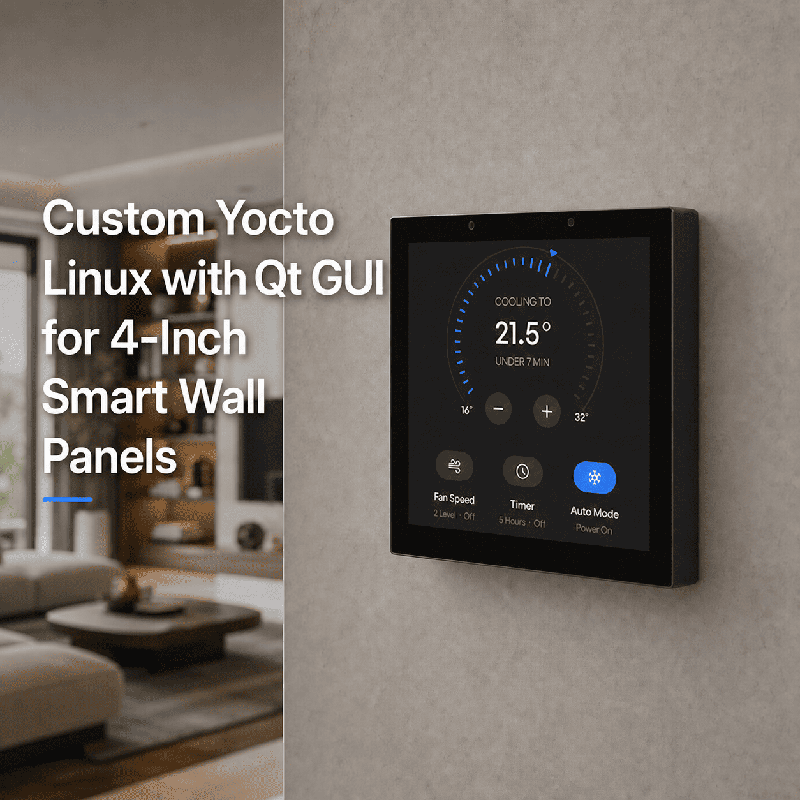
smart home control panel
RS485 / Modbus Protocol
RS485 represents a standard communication protocol in professional industrial automation environments.
Typical Applications:
- Heating, ventilation, and air conditioning control systems
- Temperature measurement instruments
- Electricity consumption monitoring devices
- Facility management and automation infrastructure
Illustrative Example:
Smart Panel
|
RS485 / Modbus
|
HVAC Controller
|
Air Conditioner
3. Intelligent Gateway Facilitates Protocol Interoperability
Numerous smart devices employ distinct communication protocols.
For instance:
Lighting → Zigbee
HVAC → Modbus
Security → WiFi
Sensors → Bluetooth
An intelligent gateway functions as a protocol translator.
Android Smart Panel
|
Smart Gateway
|
————————-
Zigbee WiFi RS485 BLE
4. Automation Software Generates Intelligent Scene Configurations
An advanced control panel extends beyond fundamental ON/OFF functionality.
It possesses the capability to establish automation scenes.
Illustration: Departure Home Scene
Single activation:
→ Deactivate lighting systems
→ Secure window coverings
→ Lower HVAC system temperature
→ Engage security protocols
Illustration: Arrival Home Scene
Automatically executed:
→ Disengage door locks
→ Illuminate entry corridor lighting
→ Regulate interior climate conditions
→ Retract window coverings
5. The Panel Processes Device Feedback Information
Intelligent Smart control systems typically employ bidirectional communication protocols.
The panel can present:
Ambient temperature readings
→ Illumination operational status
→ Entry point security status
→ Power utilization metrics
→ Environmental monitoring data
Illustration:
Command:
Turn AC ON
↓
HVAC responds:
Temperature: 23°C
Status: Running
↓
Panel displays information
What Devices Can a Smart Home Control Panel Manage?
Lighting Systems
Management Capabilities:
- Intelligent switches
- Light-emitting diode fixtures
- Adjustable brightness controls
- Programmed lighting configurations
HVAC Systems
Management Capabilities:
- Cooling units
- Temperature regulation devices
- Fan coil assemblies
- Warmth generation systems
Smart Curtains
Management Capabilities:
- Automated window coverings
- Motorized roller systems
- Adjustable window treatments
- Security Systems
Management Capabilities:
- Electronic access control devices
- Entry point monitoring sensors
- Video surveillance equipment
- Security alert mechanisms
Entertainment Devices
- Management Capabilities:
- Television units
- Audio output systems
- Multimedia playback equipment
Why Use a Smart Control Panel Instead of Mobile Apps?
| Feature | Smart Control Panel | Mobile App |
|---|---|---|
| Always Available | ✅ Wall-mounted | ❌ Need phone |
| Family Use | ✅ Easy | Limited |
| Central Control | ✅ | Depends on apps |
| Custom Interface | ✅ | Limited |
| Building Integration | ✅ | Limited |
Portworld Smart Home Control Panels
Portworld manufactures adaptable smart touch control panels engineered for smart home, hospitality, and building automation systems.
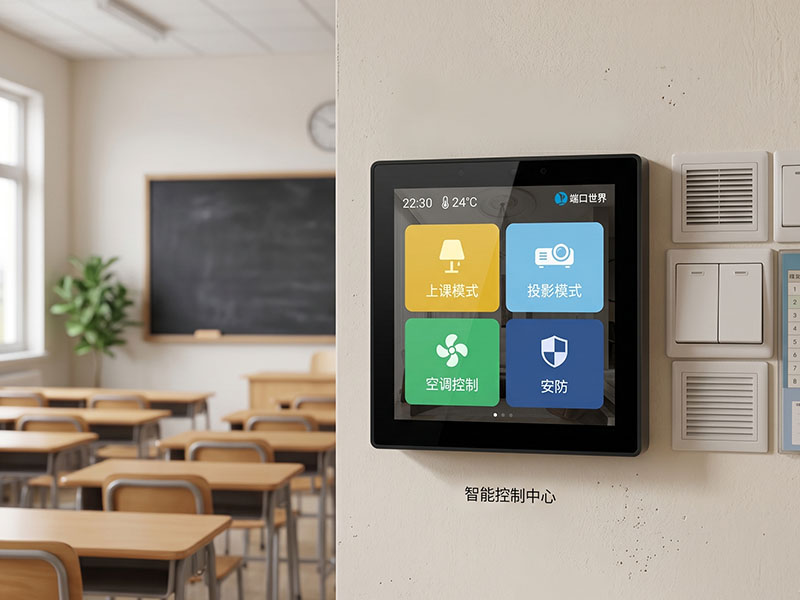
4″ KNX Smart Touch Control Panel
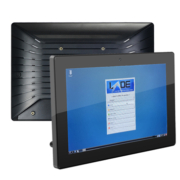
YC-SM10P – 10-Inch Android Smart Control Panel
Features:
- 10-inch IPS touchscreen display
- RK3566 processor
- Android operating system
- WiFi and Bluetooth connectivity
- Ethernet connection with Power over Ethernet (PoE)
- RS485 serial interface support
- Customizable smart home applications
Applications:
- Intelligent lighting control systems
- Heating, ventilation, and air conditioning management
- Automated window covering systems
- Residential control dashboards
- YC-L76 – 7.6-Inch Android/Linux Smart Panel
Features:
- RK3566 processor
- Android 11/13 and Debian Linux compatibility
- Ethernet connectivity with PoE support
- Bluetooth 5.2 wireless technology
- RS485 communication interface
Applications:
- Residential units
- Hospitality establishments
- Commercial office environments
YC-SM43P – ESP32-S3 Intelligent Human-Machine Interface Panel
Key Capabilities:
- ESP32-S3 microprocessor
- LVGL graphical interface compatibility
- WiFi and Bluetooth connectivity
- RS485 serial communication
- Power over Ethernet capability
Applications:
- Internet of Things terminals
- Integrated smart home automation controllers
- Proprietary HMI implementations
An intelligent Smart home automation control panel manages connected devices through the integration of interactive touchscreen applications, standardized communication protocols, and coordinated automation frameworks.
The operational sequence comprises:
- Operator engages with the touchscreen interface
- Control application generates corresponding instructions
- Communication standards including WiFi, Zigbee, Bluetooth, or RS485 facilitate information transmission
- Connected devices process and execute the transmitted instructions
- Device operational status is communicated back to the control panel