Digital Signage Display vs Traditional Menu Board for Restaurants
The restaurant sector is increasingly embracing digital solutions as establishments seek enhanced methods to elevate customer experience, boost sales, and streamline daily operations. A significant transformation is the transition from conventional printed menu boards to digital signage displays.
While traditional menu boards have been a staple for many years, contemporary restaurants, cafes, and fast-food outlets are transitioning to digital menu board displays due to their superior flexibility, ability to update content dynamically, and enhanced customer engagement.
What Constitutes a Traditional Menu Board?
A traditional menu board typically comprises:
- Printed posters
- Static images
- Lightboxes
- Acrylic boards
- Fixed price displays
Restaurants generally must manually update printed materials when altering:
- Menu items
- Prices
- Promotions
- Seasonal offerings
Despite the simplicity and low cost of traditional boards, they offer limited adaptability for the needs of modern restaurant operations.
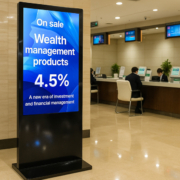
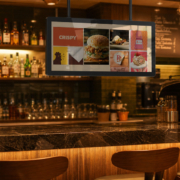
A digital signage menu board refers to an electronic display system that utilizes LCD/LED screens, media players, and content management software to present dynamic content for restaurants.
Contemporary digital menu boards are capable of showcasing:
- Food images
- Videos
- Promotions
- Prices
- Special offers
- Customer announcements
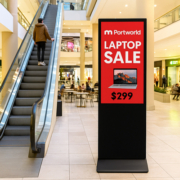
Systems like Portworld digital signage displays integrate commercial-grade screens with Android/Linux platforms, ensuring dependable applications for restaurants.
Digital Signage Display versus Traditional Menu Board
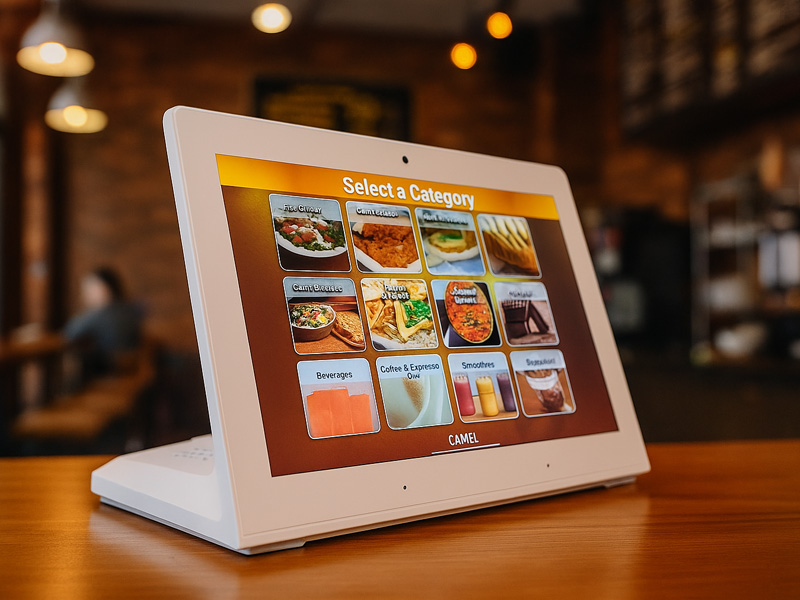
L-Shape Interactive Touch Screen Digital Signage
1. Content Updating
Traditional Menu Board
Updating content necessitates:
- Printing new posters
- Manual replacement
- Additional labor costs
This process can be cumbersome for restaurants that frequently change their menus.
Restaurants have the ability to update content instantly via:
- WiFi
- Ethernet
- Cloud CMS platforms
- USB storage
For instance, breakfast menus can be programmed to automatically transition to lunch menus at designated times.
2. Customer Attraction
Conventional menu boards present only fixed information.
Digital signage displays offer:
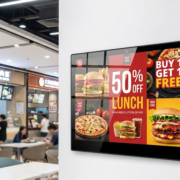
- High-resolution images of food
- Video advertisements
- Animated promotions
- Interactive ordering options
Dynamic visual content effectively captures customer attention and stimulates further purchases.
3. Restaurant Promotions
Digital signage simplifies the execution of promotional campaigns.
Restaurants can showcase:
- Limited-time offers
- New product launches
- Combo meal deals
- Discount promotions
Content can be programmed to display automatically according to:
- Time
- Location
- Customer traffic patterns.
4. Space Efficiency
Conventional boards necessitate several printed panels for various menus.
Digital displays can integrate:
- Multiple menu categories
- Videos
- Promotions
- Customer messages
on a single or multiple screens.
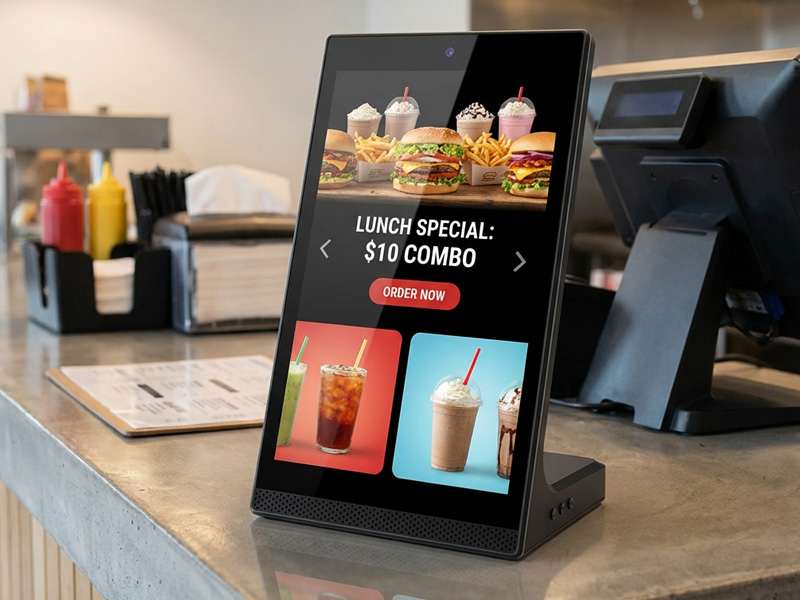
YC-L106 10.1-inch L-Shaped Digital Signage Display
5. Operational Efficiency
For restaurant chains operating in multiple locations, the manual management of menus can pose challenges.
Digital signage systems facilitate centralized management:
- Update hundreds of displays from a distance
- Synchronize menus across different stores
- Control various locations from a single platform
This minimizes maintenance time and enhances consistency.
Portworld Digital Menu Board Solutions for Restaurants
Portworld offers customizable digital signage hardware tailored for the restaurant and hospitality sectors.
The solutions include:
YC-L106 L-Shaped Digital Menu Display
Intended for:
- Restaurant counters
- Self-service areas
- Advertising displays
Key features:
- Support for Android systems
- Touchscreen capability
- WiFi and Ethernet connectivity
- Compact design suitable for commercial use
YC-55MT Wall-Mount Advertising Player
Ideal for:
- Restaurant menu boards
- Food promotions
- Digital advertising
Key features:
- Display options ranging from 10.1″ to 65″
- Customization for Android/Linux
- Designed for 24/7 operation
- Available in landscape and portrait orientations
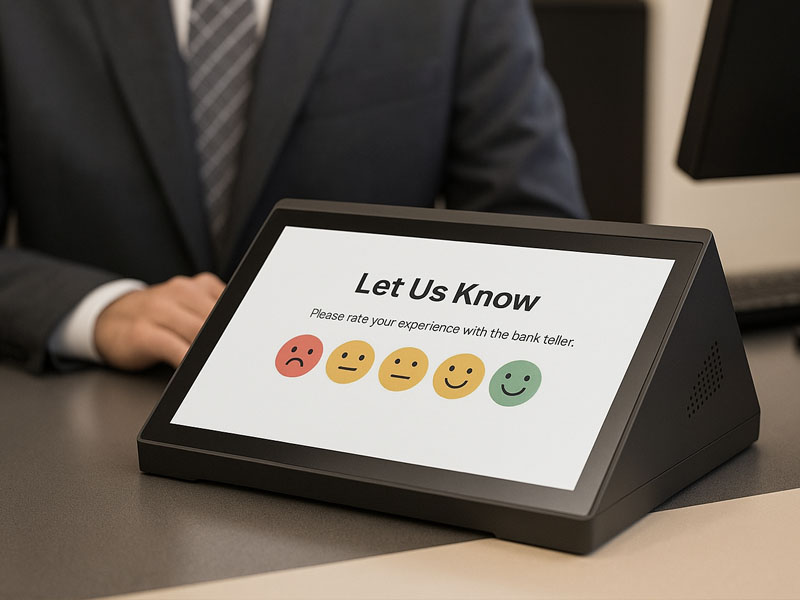
L-shape digital signage display
Interactive Touch Displays
Applications include:
- Self-ordering kiosks
- Customer feedback systems
- Smart restaurant terminals
Advantages of Digital Menu Boards for Restaurants
Boost Sales
Visually appealing images and videos effectively highlight high-margin items.
Lower Maintenance Expenses
Eliminates the need for regular printing and updates.
Enhance Customer Experience
Patrons can swiftly access menus, pricing, and promotional offers.
Facilitate Smart Restaurant Operations
Integration with:
- POS systems
- Ordering platforms
- Payment systems
results in a more streamlined workflow.
Which Option Should Restaurants Opt For?
Traditional menu boards may still be suitable for smaller establishments with static menus and minimal alterations.
Conversely, for contemporary restaurants, cafes, fast-food outlets, and franchises, digital signage offers greater advantages through adaptability, automation, and enhanced customer interaction.