7-Inch Android Smart Control Panel with PoE for Home Automation
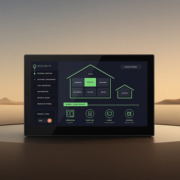
Intelligent residential automation systems are revolutionizing how occupants control illumination, climate regulation, window coverings, access control mechanisms, and connected devices. Rather than operating numerous individual switches and control devices, residents can leverage a unified smart touchscreen interface to command all integrated systems from a single location.
A seven-inch Android-based smart control interface equipped with Power over Ethernet technology delivers an optimal combination of display dimensions, installation adaptability, and robust network capabilities, positioning it as the preferred choice for contemporary residential units, private residences, and integrated smart home installations.
Advantages of Implementing a Seven-Inch Smart Control Panel in Residential Automation
A seven-inch interactive display provides adequate screen real estate for routine smart home management while preserving a streamlined wall-integrated configuration.
When compared to smaller three-point-five-inch or five-inch interfaces, a seven-inch display enables presentation of expanded information sets, encompassing:
- Residential environment conditions
- Customized lighting configurations
- Climate control parameters
- Access and surveillance data
- Resource consumption analytics
The system proves appropriate for deployment in:
- Primary living spaces
- Private sleeping quarters
- Entry vestibules
- Food preparation areas
- Modern residential complexes
What Capabilities Does a 7-Inch Android Smart Panel Offer?
1. Intelligent Lighting Management
A smart control panel can serve as a replacement for conventional switches while delivering sophisticated lighting control capabilities.
Capabilities include:
- Ceiling illumination
- Intelligent switching systems
- Light intensity adjustment
- Multi-color lighting
- Customizable lighting configurations
Illustrative scenario:
Relaxation Setting
Single activation:
→ Reduce light intensity
→ Lower window coverings
→ Modify climate settings
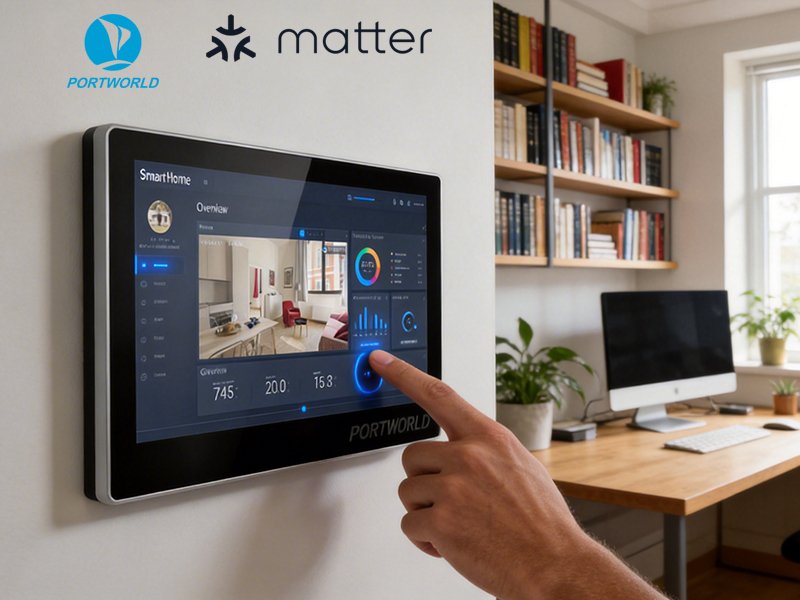
smart home control panel
2. Climate Control and Thermal Regulation
A 7-inch Android smart panel can integrate with climate control systems via:
- RS485 / Modbus protocols
- WiFi-enabled gateways
- Internet of Things controllers
Capabilities encompass:
- Thermostat adjustment
- Heating and cooling mode selection
- Air circulation speed regulation
- Automated scheduling functionality
Illustrative scenario:
Temperature: 24°C
Mode: Cooling
Fan Speed: Auto
3. Intelligent Curtain and Blind Management Systems
The control panel demonstrates compatibility with automated curtain mechanisms.
Capabilities available to users include:
- Initiating curtain opening
- Closing blind systems
- Establishing automated scheduling protocols
- Developing customized scenes
Illustrative Example:
Morning Routine Scene
Automated functions execute:
→ Initiate curtain opening
→ Activate illumination systems
→ Modify ambient temperature settings
4. Protection Systems and Entry Management
- A smart home control panel facilitates connections with:
- Electronic locking mechanisms
- Entrance detection sensors
- Video surveillance equipment
- Motion detection systems
- Security alarm infrastructure
Users possess the capability to monitor security conditions directly through the touchscreen interface.
5. Internet of Things Device Connectivity
Utilizing diverse communication protocols, a 7-inch Android control panel enables interaction with:
- Zigbee gateway systems
- Bluetooth-enabled devices
- WiFi-connected IoT solutions
- Intelligent sensor networks
- Residential automation ecosystems
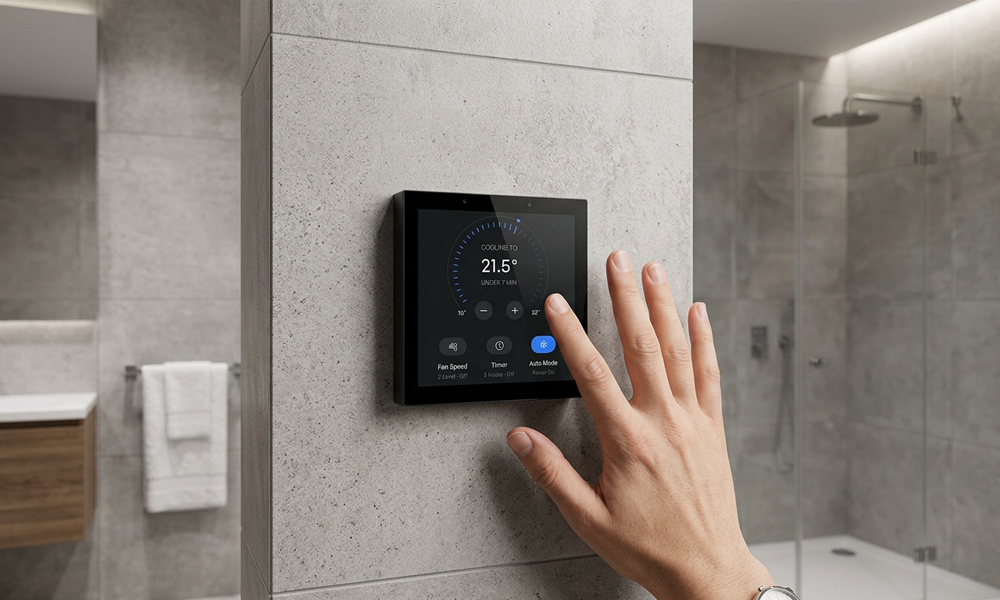
smart home control panel
Why Implement PoE for a Smart Home Control Panel?
PoE (Power over Ethernet) enables the control panel to obtain both electrical power and network connectivity through a single Ethernet cable.
Conventional installation approach:
Power Cable + Network Cable
PoE installation:
One Ethernet Cable
|
Power + Data
Advantages of Power over Ethernet Smart Panels
1. Simplified Installation Process
Power over Ethernet technology minimizes wiring requirements, particularly for:
- Residential properties under construction
- High-end residential apartments
- Intelligent residential estates
2. Dependable Network Connectivity
When compared to wireless-only panel systems:
- Enhanced communication dependability
- Reduced signal interference
- Optimal performance for long-term deployments
3. Unified Device Power Administration
Property administrators can oversee all connected devices via the Power over Ethernet network switch infrastructure.
Android-Based Smart Home Panels: Key Benefits
Android-powered smart panels deliver the following advantages:
Customized Application Development
- Developers possess the capability to design specialized applications for:
- Illumination management
- Heating, ventilation, and air conditioning interfaces
- Power consumption analysis
- Access control and surveillance solutions
Enhanced User Interface Experience
End users can benefit from:
- Advanced touch-based interactions
- Comprehensive graphical control interfaces
- Transitional visual effects
- Personalized interface styling options
Seamless Platform Compatibility
Android-based panels demonstrate compatibility with:
- Residential automation ecosystems
- Web-based infrastructure and services
- Internet of Things frameworks
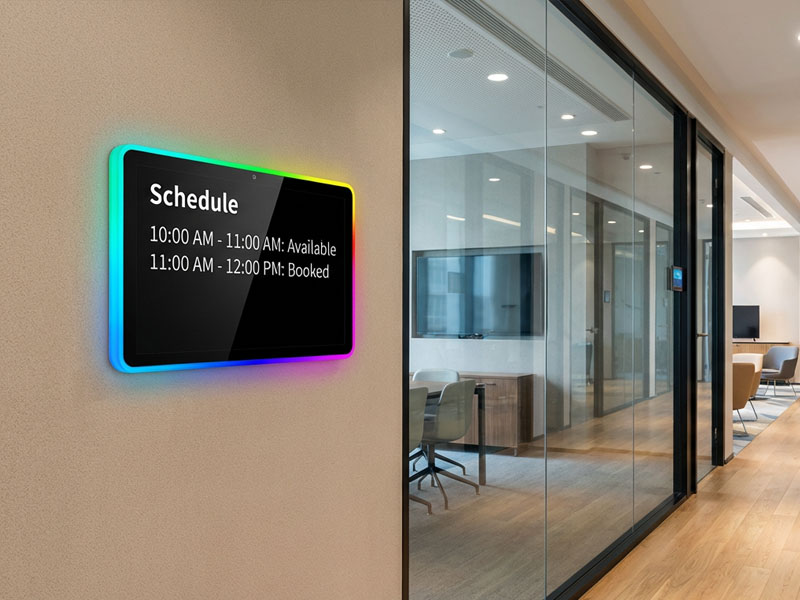
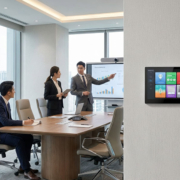
Meeting Room Display Panels
Suggested Specifications for a 7-Inch Power-over-Ethernet Smart Control Panel
When evaluating a smart home control panel, the following characteristics should be assessed:
- Hardware Components
- 7-inch IPS touchscreen display
- ARM-based processor
- 2GB RAM minimum or greater capacity
- Adequate internal storage capacity
- Capacitive touch technology
Connectivity Options
Preferred specifications:
- Ethernet connectivity with Power-over-Ethernet capability
- Wireless local area network connectivity
- Bluetooth wireless protocol support
- RS485 serial communication interface
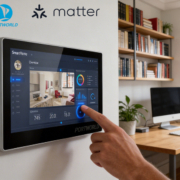
- Zigbee or Matter gateway compatibility
Operating System and Software
Essential capabilities:
- Android operating system platform
- Third-party application installation support
- Over-the-air firmware update functionality
- Manufacturer-specific customization and configuration options
Portworld YC-L76 – 7.6-Inch Android/Linux Smart Control Panel
The Portworld YC-L76 has been engineered to facilitate intelligent automation across residential, hospitality, and commercial environments.
Primary specifications:
- 7.6-inch capacitive touchscreen display
- 800×800 pixel resolution
- RK3566 Quad-Core processing unit
- Android 11/13 compatibility
- Debian Linux alternative
- 2GB RAM with 32GB internal storage capacity
- Ethernet connectivity featuring PoE functionality
- WiFi dual-band support (2.4G/5G)
- Bluetooth 5.2 technology
- RS485 serial communication interface
The YC-L76 functions as a unified control hub for:
- Intelligent illumination systems
- Heating, ventilation, and air conditioning management
- Automated window covering operation
- Integrated IoT device administration
7-Inch vs 10-Inch Smart Control Panel
| Feature | 7-Inch Panel | 10-Inch Panel |
|---|---|---|
| Wall Installation | Easier | Requires more space |
| Room Control | Excellent | Excellent |
| Whole Home Dashboard | Good | Better |
| Cost | Lower | Higher |
| Living Room Use | Good | Excellent |
| Bedroom Use | Excellent | Good |
A seven-inch Android-based smart control panel equipped with Power over Ethernet (PoE) represents an optimal solution for residential automation systems, offering the following advantages:
- Ergonomic touchscreen dimensions
- Dependable hardwired network connectivity
- Android operating system flexibility
- Internet of Things integration compatibility
- Simplified wall-mounted installation
Within residential environments including apartments, villas, and comprehensive smart home installations, a seven-inch PoE-enabled smart panel delivers an appropriate equilibrium between operational capabilities and aesthetic considerations.