What Is the Difference Between a Smart Control Panel and an Industrial HMI?
Smart Control Panel vs Industrial HMI: Recognizing the Distinctions
While both smart control panels and industrial HMIs (Human Machine Interfaces) utilize touchscreen displays for device interaction, they cater to distinct environments and needs.
A smart control panel emphasizes user-friendly operation, IoT connectivity, and automation within residential, hospitality, office, and commercial settings. Conversely, an industrial HMI is tailored for demanding industrial conditions, machine management, and real-time production oversight.
Grasping these differences enables organizations to select the most suitable solution for their specific applications.
1. Primary Application Objective
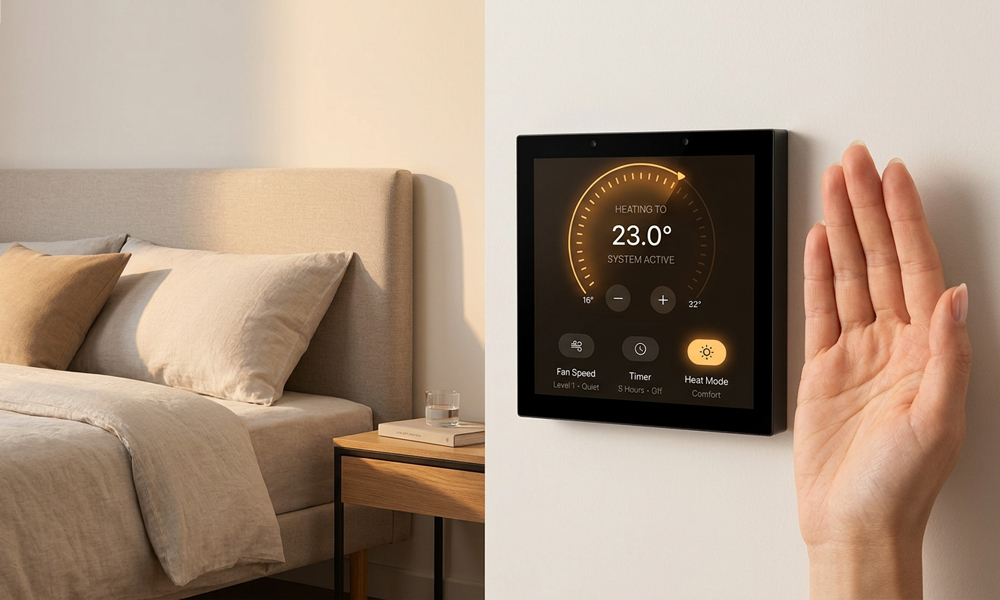
The primary function of a smart control panel is to serve as an intelligent control interface for interconnected devices.
Common applications encompass:
- Smart home automation
- Hotel room management
- Meeting room oversight
- Office automation
- Building management systems
- IoT device regulation
Illustrations include:
- Adjusting lighting in rooms
- Regulating HVAC temperatures
- Controlling curtain movements
- Monitoring the status of smart devices
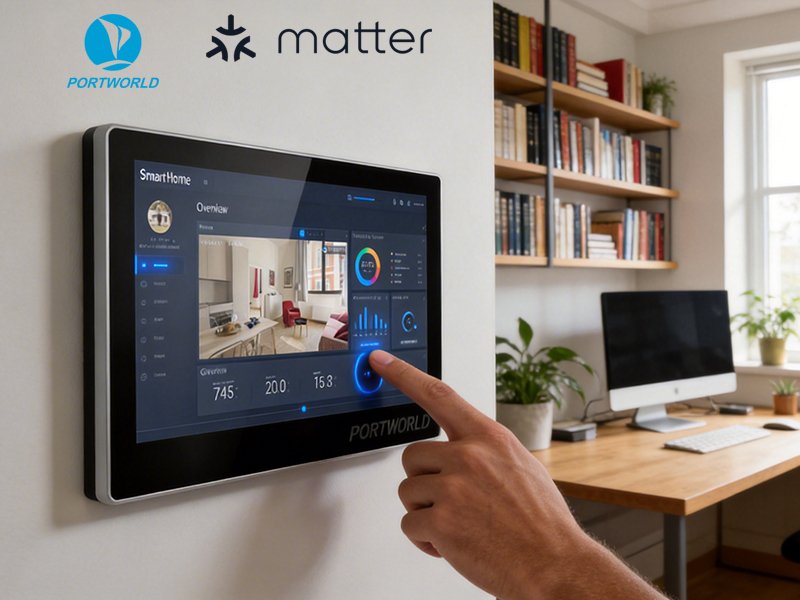
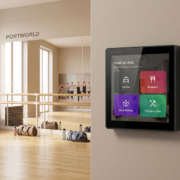
smart home control panel
The emphasis lies on enhancing user experience and providing centralized control.
An industrial HMI is specifically created for the management of machinery and production processes.
Common applications encompass:
- Factory automation
- Manufacturing equipment
- Process monitoring
- Industrial machinery
- Energy systems
- Production lines
Illustrations of use include:
- Monitoring machine parameters
- Adjusting production settings
- Displaying alarms
- Controlling industrial equipment
The primary emphasis is on reliability, real-time functionality, and industrial control.
2. Operating Environment
Typically installed in regulated environments such as:
- Homes
- Hotels
- Offices
- Commercial buildings
Essential requirements include:
- Attractive design
- Easy installation
- Smooth touchscreen experience
- Integration with smart devices
Industrial HMI
Engineered for rigorous industrial settings:
- Factories
- Workshops
- Production floors
- Outdoor industrial locations
Specifications entail:
- Dust resistance
- Vibration resistance
- Wide temperature range operation
- Extended continuous operation
- Industrial-grade components
Numerous industrial HMIs also necessitate IP65 or superior protection ratings.
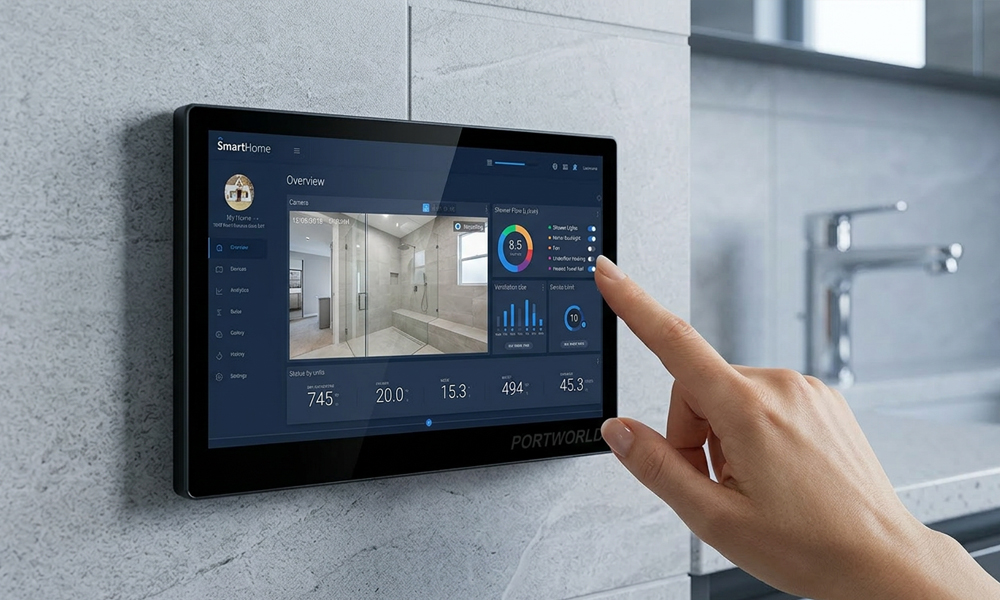
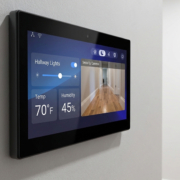
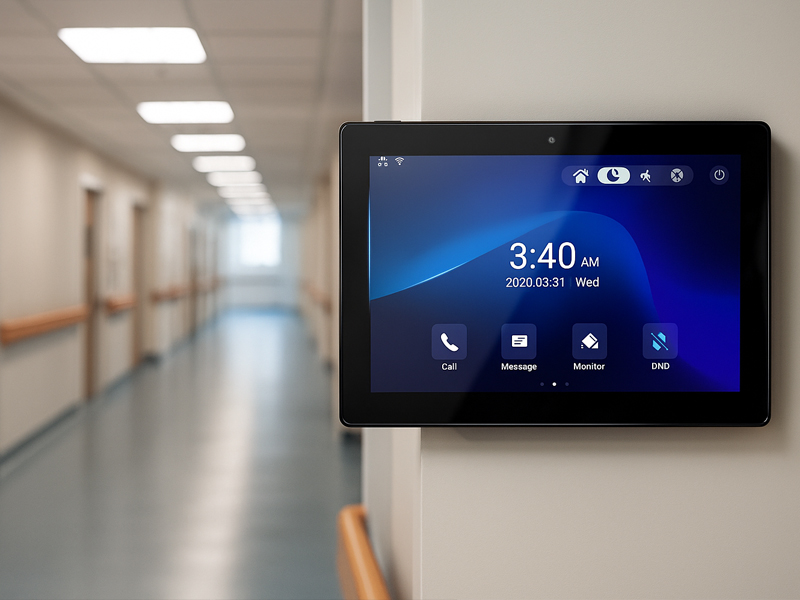
10 inch smart home control panel
3. Hardware Variations
Smart Control Panel Hardware
Smart panels typically emphasize:
- High-quality touchscreen displays
- Compact design
- Wireless connectivity
- Multimedia functionality
Standard hardware attributes include:
- ARM processors
- Android/Linux operating systems
- WiFi
- Bluetooth
- Ethernet
- PoE
- RS485
For instance, smart home panels frequently utilize processors such as:
- RK3566
- RK3568
- ESP32-S3
Industrial HMI Hardware
Industrial HMIs are designed with a focus on robustness and effective industrial communication.
Typical characteristics include:
- Industrial-grade processors
- Rugged enclosure
- Fanless design
- Wide voltage input
- RS232/RS485
- CAN bus
- Industrial Ethernet
- GPIO interfaces
These devices are tailored for machine control rather than for consumer engagement.
4. Software and Interface Variations
Smart Control Panel Software
Smart panels typically necessitate visually appealing and user-friendly interfaces.
Common software includes:
- Android applications
- Linux applications
- LVGL
- Custom IoT dashboards
Features encompass:
- Modern UI design
- Animation effects
- Multi-language support
- Mobile app integration
Industrial HMI Software
Industrial HMIs prioritize monitoring and control functionalities.
Common features consist of:
- Real-time data display
- Alarm management
- PLC communication
- Production visualization
- Historical data recording
Common development platforms include:
- Qt/QML
- Embedded Linux
- Industrial HMI software platforms
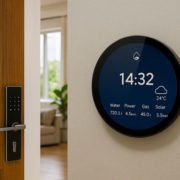
smart home control panel
5. Communication Protocols
Both devices are capable of supporting industrial communication; however, their priorities differ.
Smart Control Panel Connectivity
Common options include:
- WiFi
- Bluetooth
- Ethernet
- PoE
- RS485
- Zigbee
- Thread
These options are primarily utilized for IoT and building automation.
Industrial HMI Connectivity
Common options include:
- RS485 / Modbus
- RS232
- CAN
- Ethernet/IP
- Profinet
- OPC UA
These are used for industrial machinery and automation systems.
6. Installation Methods
Smart Control Panel Installation
Engineered for straightforward deployment:
- Wall mounting
- Flush mounting
- Standard wall boxes
Common standards include:
- UK 86 type
- EU wall boxes
- US wall boxes
Industrial HMI Installation
Typically installed on:
- Machine cabinets
- Control panels
- Operator stations
- Industrial enclosures
The installation emphasizes durability and ease of access.
| Feature | Smart Control Panel | Industrial HMI |
|---|---|---|
| Main Use | Smart home, office, hotel automation | Factory and machine control |
| Priority | User experience | Reliability and industrial performance |
| Environment | Indoor commercial spaces | Industrial environments |
| OS | Android/Linux | Linux/Windows/RTOS |
| Interface | Touchscreen dashboard | Machine operation interface |
| Connectivity | WiFi, Bluetooth, PoE, RS485 | Modbus, CAN, Industrial Ethernet |
| Design | Modern and aesthetic | Rugged and durable |
| Customization | UI and smart applications | Control logic and industrial integration |
Can a Smart Control Panel Function as an Industrial HMI?
In certain applications, the answer is affirmative.
A robust smart control panel equipped with:
- Linux support
- RS485 communication
- Ethernet
- Support for industrial protocols
- Custom HMI software
can be utilized for lightweight industrial tasks such as:
- Equipment monitoring
- IoT gateways
- Embedded machine interfaces
- Laboratory equipment
Nevertheless, in demanding factory settings that necessitate high protection ratings and stringent industrial certifications, a dedicated industrial HMI is typically the more suitable option.
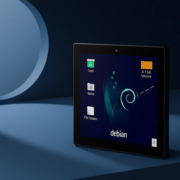
smart home control panel2
Portworld Smart Control Panel and Industrial HMI Solutions
Portworld offers both smart touchscreen control solutions and industrial embedded panels tailored for various applications.
For smart automation:
YC-SM41P / YC-SM43P — compact smart HMI panels featuring LVGL, RS485, Ethernet, and PoE options.
For larger touchscreen interfaces:
- YC-SM08P
- YC-SM10P
- YC-SM14P
These RK3566/RK3568-based panels are compatible with Android, Linux, Debian, Ubuntu, and Buildroot, rendering them ideal for smart buildings, IoT terminals, and industrial HMI applications.
The primary distinction between a smart control panel and an industrial HMI lies in their intended design.
A smart control panel emphasizes intelligent device management, integration with IoT, and ease of use for control, whereas an industrial HMI is centered on machine operation, industrial communication, and dependable production management.