What Is the Difference Between a Smart Switch and a Smart Control Panel?
With the swift advancement of smart home technology, an increasing number of users and system integrators are embracing intelligent devices to enhance comfort, convenience, and energy efficiency. Among the most prevalent smart home products, smart switches and smart control panels are frequently mistaken for one another, as both are capable of controlling lights and connected devices.
Nevertheless, they fulfill distinct functions. A smart switch is primarily intended to replace conventional wall switches with intelligent control features, whereas a smart control panel serves as a centralized interface for overseeing multiple smart systems.
Recognizing the distinction between a smart switch and a smart control panel is crucial when designing smart homes, hotels, offices, and commercial automation projects.
What Is a Smart Switch?
A smart switch represents an enhanced version of a traditional wall switch. It is primarily utilized to manage one or more electrical devices, particularly lighting systems.
In comparison to a traditional switch, a smart switch typically incorporates wireless communication capabilities such as:
- WiFi
- Zigbee
- Bluetooth
- Z-Wave
Users can control lights through:
- Physical touch buttons
- Mobile applications
- Voice assistants
- Automation scenes
For instance, a smart switch can remotely turn lights on or off, adjust brightness levels, or establish scheduled lighting routines.
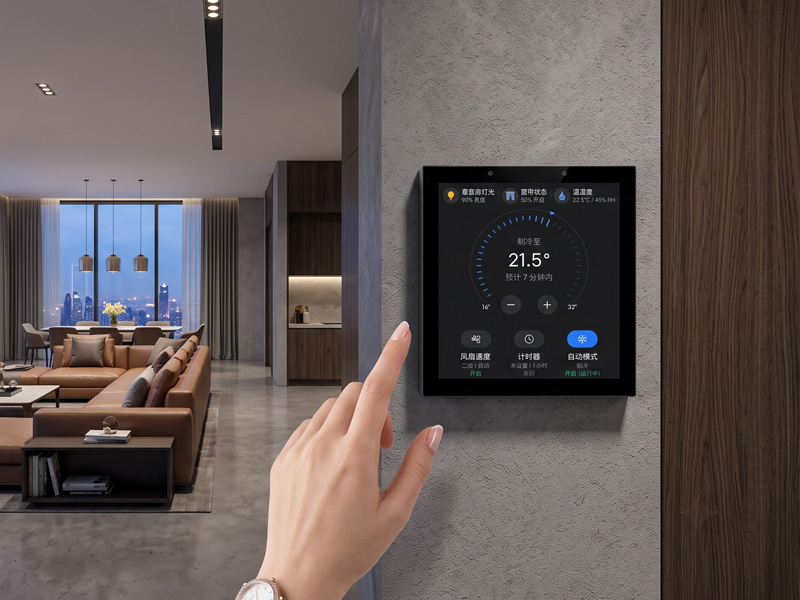
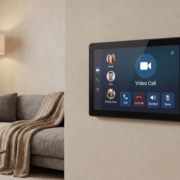
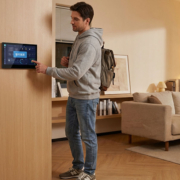
Smart Home Touch Control Panel
Common Uses of Smart Switches
Smart switches are frequently utilized in:
- Residential lighting management
- Bedroom automation
- Hotel room illumination
- Basic smart home enhancements
They are particularly suitable for individuals looking to substitute conventional switches with connected options.
What Constitutes a Smart Control Panel?
A smart control panel represents a more sophisticated intelligent interface intended to oversee multiple systems via a single touchscreen device.
Rather than managing just one function, a smart control panel serves as a central hub for an entire smart ecosystem.
A smart control panel can oversee:
- Lighting
- HVAC systems
- Smart curtains
- Security systems
- Door access management
- Energy oversight
- Audio and video systems
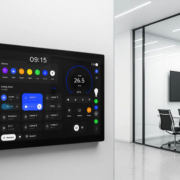
With a touchscreen interface, users can monitor system statuses and control various devices through personalized dashboards.
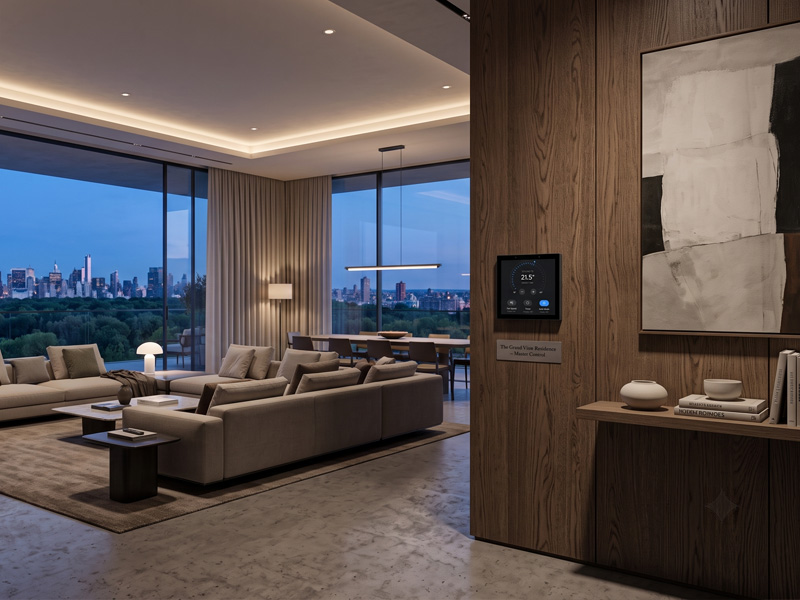
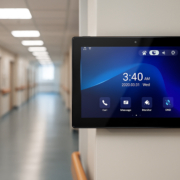
YC-SM41P
4″ Smart Control Panel
Smart Switch vs Smart Control Panel: Key Differences
1. Control Function
The primary distinction lies in the control range.
A smart switch is designed for the management of individual devices, predominantly lighting.
Conversely, a smart control panel offers centralized oversight for multiple systems.
For instance:
- A smart switch:
- Turns the bedroom lights on or off.
Manages bedroom lights, air conditioning, curtains, temperature, and security settings from a single interface.
2. User Interface
Smart switches typically utilize:
- Physical buttons
- Simple touch keys
- Mobile applications
In contrast, smart control panels employ:
- Touchscreens
- Graphical interfaces
- Custom dashboards
This enables users to access a greater amount of information and control a wider array of devices.
3. Hardware Performance
Smart switches generally require basic control chips since their primary function is switching.
Smart control panels, however, resemble embedded computers and usually incorporate:
- ARM processors
- Memory and storage
- Touch displays
- Operating systems such as Android or Linux
For more advanced applications, platforms like Rockchip processors can deliver enhanced computing performance.
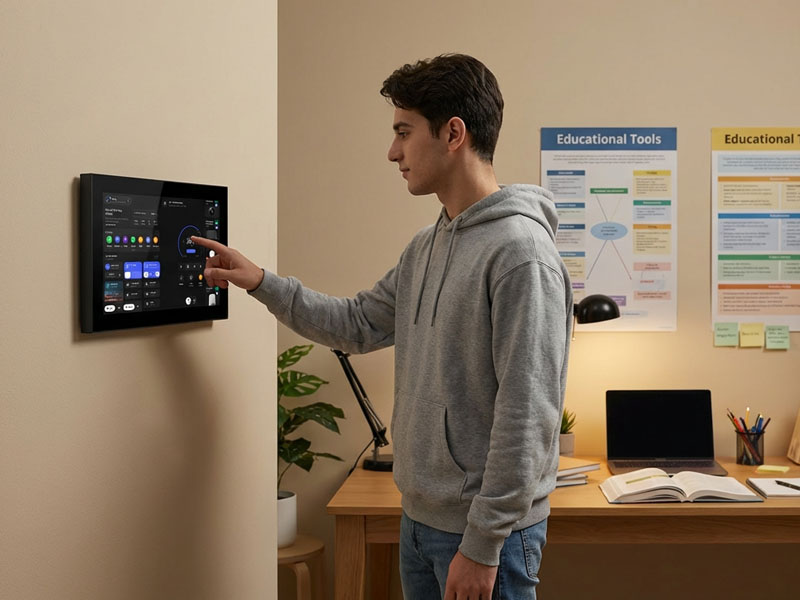
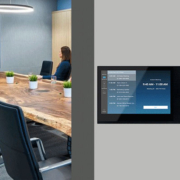
10 inch smart home control panel
4. Smart Home Integration
Smart switches are typically components of a smart home system.
Smart control panels frequently serve as the central interface that connects various devices and protocols.
A smart control panel may support:
- RS485 / Modbus
- KNX
- MQTT
- Zigbee
- Ethernet
- WiFi
- Bluetooth
This capability renders it suitable for professional automation projects.
When Should You Opt for a Smart Switch?
A smart switch is an appropriate selection when the project necessitates:
- Basic lighting automation
- Simple replacement of conventional switches
- Cost-effective smart enhancements
- Fundamental remote control capabilities
For minor residential projects, smart switches can offer a practical and economical solution.
When Should You Opt for a Smart Control Panel?
A smart control panel is more suitable for projects that demand centralized management.
Common applications encompass:
– Smart Homes
Control:
- Lighting
- HVAC
- Curtains
- Security
- Entertainment systems
– Smart Hotels
Facilitate an integrated room control interface for guests.
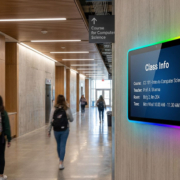
– Smart Offices
Oversee:
- Meeting rooms
- Lighting scenes
- Climate control
- Energy systems
Commercial Buildings
Support:
- Building automation
- Access control
- Facility management
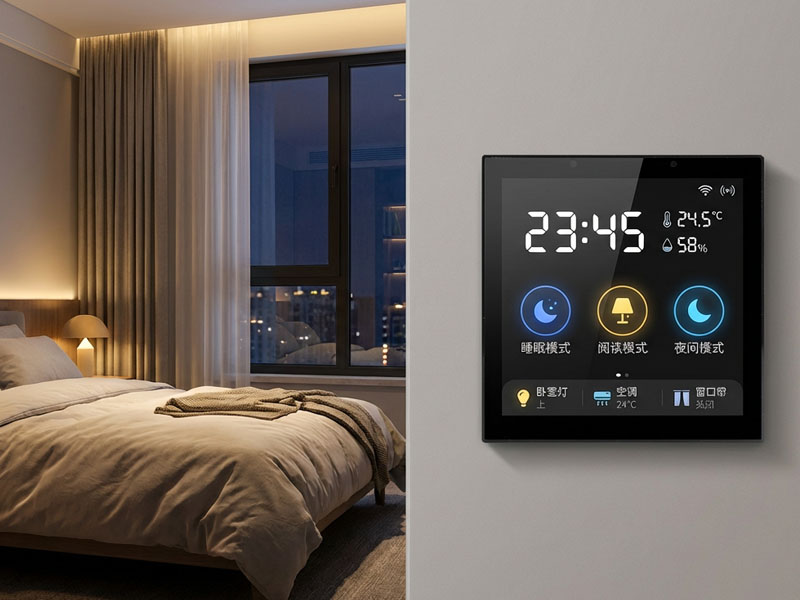
4″ KNX Smart Touch Control Panel
Portworld Smart Control Panel Solutions
For advanced smart automation needs, Portworld offers tailored smart control panel solutions designed for residences, hotels, offices, and commercial establishments.
In contrast to basic smart switches, Portworld smart control panels are crafted as intelligent touch terminals equipped with robust hardware and adaptable software support.
YC-SM41P Compact Smart Control Panel
The YC-SM41P is a 4-inch smart touch control panel intended for compact automation applications.
Key features comprise:
- 4-inch capacitive touchscreen
- PX30 quad-core processor
- Support for Android 11/13 and Linux Debian 11
- Connectivity options including WiFi, Bluetooth, and Ethernet
- RS485 communication support
- PoE power option
It is appropriate for:
– Hotel room control
– Smart home panels
– Office automation
– Room-level control systems
YC-SM116P Large Smart Touch Control Panel
For comprehensive home and commercial automation, Portworld offers larger smart panels like the YC-SM116P.
Features include:
- 10.1-inch touchscreen display
- RK3568 processor
- Support for Android/Linux
- Connectivity via Ethernet, WiFi, and Bluetooth
- RS485 integration
- Design for wall-mounted installation
It can function as a centralized control interface for:
- Smart homes
- Apartments
- Hotels
- Office buildings