Why Choose Android over Linux for Commercial Smart Control Hubs
In the realm of commercial smart control hubs, choosing the appropriate operating system is a vital choice that can influence performance, compatibility, and user experience. Among the leading options, Android and Linux are recognized as the most favored platforms for smart touch panels, room automation systems, and commercial IoT hubs. While Linux provides flexibility and stability, Android frequently becomes the preferred option for commercial applications. Let us delve into the reasons why.
1. User-Friendly Interface
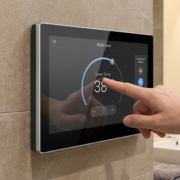
Commercial smart control hubs are utilized daily by office personnel, hotel visitors, and building administrators. Android presents a refined and intuitive graphical interface that users are already accustomed to from smartphones and tablets. This familiarity minimizes training expenses and guarantees seamless interaction with lighting, HVAC, security, and access control systems.
Linux-based systems, although highly customizable, often necessitate additional UI development or third-party frameworks to reach the same standard of user experience, which prolongs development time and increases costs.
2. Broad Application Ecosystem
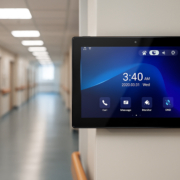
Android boasts an extensive app ecosystem, enabling commercial smart control hubs to utilize existing applications for building management, meeting room reservations, video conferencing, and smart lighting control. Brands can pre-install applications or permit users to integrate popular commercial software directly.
Linux can also operate a wide array of applications, but many necessitate recompilation or specialized development. For enterprises that require swift deployment and turnkey functionality, Android streamlines the process.
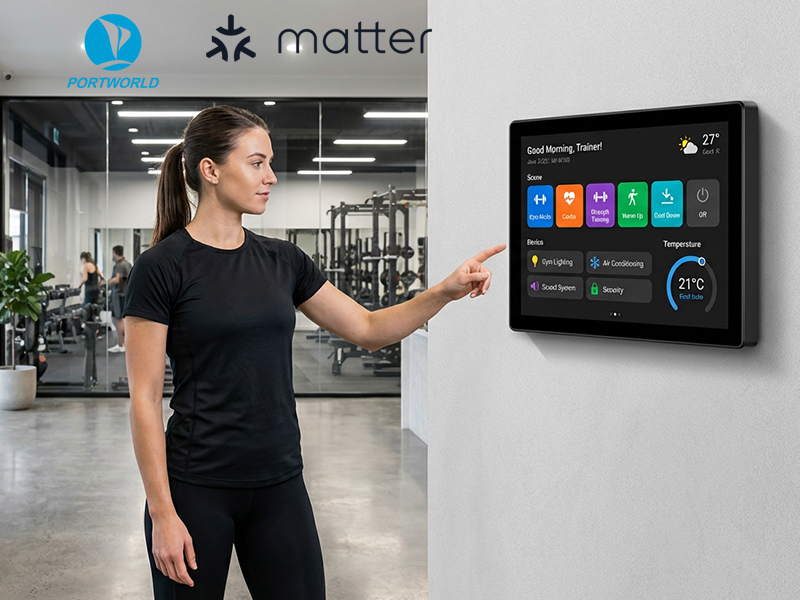
smart home control panel
3. Rapid Deployment and Customization
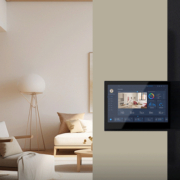
With Android, manufacturers can offer pre-configured panels featuring custom boot logos, branded user interfaces, and dedicated smart control applications, facilitating rapid installation across various locations.
Portworld, for example, provides OEM/ODM Android smart panel solutions that include:
- Pre-installed smart home or office management applications
- Multi-touch interactive interfaces for intuitive control
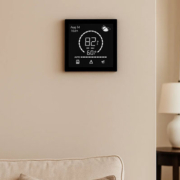
- PoE support for straightforward wall-mounted installation.
While Linux offers flexibility, Android is often the best choice for commercial smart control hubs due to:
- Familiar and intuitive user experience
- Rich app ecosystem for building automation
- Rapid customization and deployment
- Multi-protocol integration and connectivity
- Regular security updates and OTA support
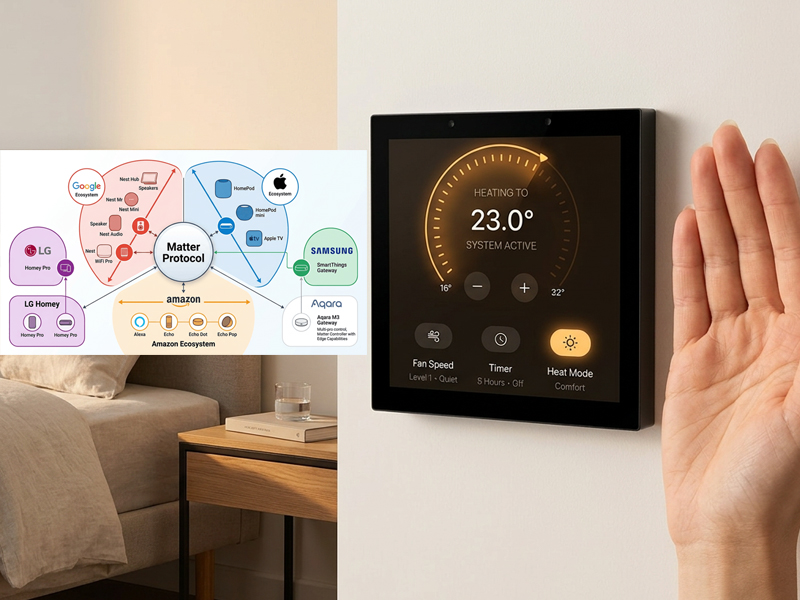
smart home control panel
With Android-based smart panels from providers like Portworld, businesses can deploy efficient, reliable, and visually appealing smart control hubs that meet the demands of modern commercial environments.
Although Linux provides a high degree of flexibility, Android frequently emerges as the optimal selection for commercial smart control hubs because of the following reasons:
- User experience that is both familiar and intuitive
- A comprehensive app ecosystem tailored for building automation
- Quick customization and deployment capabilities
- Integration and connectivity across multiple protocols
- Consistent security updates and over-the-air (OTA) support
By utilizing Android-based smart panels from companies such as Portworld, businesses are able to implement effective, dependable, and aesthetically pleasing smart control hubs that fulfill the requirements of contemporary commercial settings.