CE FCC Certified Digital Signage for the European Market
In today’s digital age, digital signage is one of the most effective tools for delivering dynamic content across various sectors. Whether it’s for retail, corporate environments, transportation hubs, or public spaces, businesses are increasingly investing in digital signage solutions to enhance customer engagement, streamline communication, and improve operational efficiency. However, when it comes to deploying digital signage in the European market, compliance with industry standards and certifications is crucial to ensure the product’s quality, safety, and reliability.
One such critical certification is the CE (Conformité Européenne) mark, which signifies that a product meets the essential requirements of European Union (EU) legislation and standards. For digital signage displays, achieving CE certification is a key milestone in ensuring they are suitable for use in European environments. Similarly, FCC certification is also important, particularly for products sold in markets like the United States, ensuring that the product adheres to the Federal Communications Commission (FCC) regulations for electromagnetic interference.
This article will dive into the importance of CE and FCC certifications for digital signage products, discuss the significance of these standards, and provide guidance on selecting a CE FCC certified digital signage display for your European market needs.

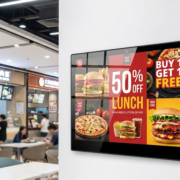
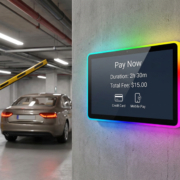
digital signage display
What Are CE and FCC Certifications?
1. CE Certification (European Market)
The CE mark indicates that the product complies with the safety, health, and environmental protection standards required by EU regulations. For digital signage products, this means the product has been tested for electrical safety, electromagnetic compatibility (EMC), and environmental considerations, such as energy consumption.
Key components for CE certification include:
- Electrical Safety: Ensuring that the display does not present any electrical hazards to users.
- Electromagnetic Compatibility (EMC): Ensuring that the signage display does not cause harmful interference to other electronic devices and is immune to interference itself.
- Environmental Impact: Compliance with EU directives on waste, recycling, and energy efficiency.
In short, CE certification guarantees that the digital signage product meets EU regulatory standards and can be legally sold and used in European markets.
2. FCC Certification (U.S. Market)
The FCC mark is a regulatory standard used in the United States to certify that a product does not emit harmful electromagnetic interference (EMI) that could disrupt other electronic devices. For digital signage, FCC certification ensures that the device complies with FCC Title 47 Part 15 regulations, which set limits on the electromagnetic emissions from electronic devices.
Key benefits of FCC certification include:
- Ensuring Minimal Electromagnetic Interference (EMI): Ensuring the display will not interfere with other devices like radios, cell phones, and TV signals.
- Building Consumer Trust: An FCC-certified product assures consumers and businesses that the product adheres to required regulations, ensuring safe and effective operation.
For businesses operating in the U.S. and EU markets, obtaining both CE and FCC certifications is a key step in expanding your product’s market presence and gaining customer confidence.
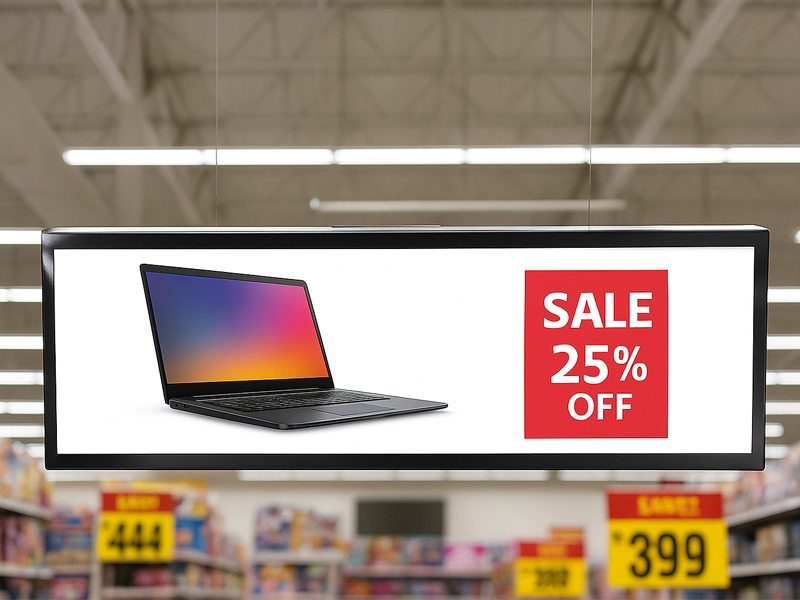
digital signage display-
Why Choose CE FCC Certified Digital Signage for the European Market?
1. Compliance with International Standards
By choosing CE FCC certified digital signage products, you ensure compliance with international safety and quality standards. Both certifications guarantee that the product has undergone rigorous testing for safety and performance. This gives consumers and businesses confidence that they are investing in reliable and high-quality digital signage that meets both European and global standards.
2. Legal Assurance in European Markets
In the European Union, products without the CE mark cannot be sold legally. This certification indicates that the product has passed the necessary compliance assessments, ensuring that it is safe for use in public spaces and that it adheres to strict EU regulations on product safety and environmental impact. This also protects businesses from any legal or regulatory issues that may arise from using non-compliant products.
3. Enhanced Market Access
For companies that want to sell digital signage displays across multiple markets, obtaining both CE and FCC certifications enables easier entry into both European and U.S. markets. These certifications open the door to global business opportunities by ensuring the product is ready for international deployment. By choosing CE FCC certified digital signage, you gain access to a wide range of high-potential markets, including retail, transportation, and corporate sectors.
4. Consumer Confidence and Trust
Consumers and businesses are increasingly looking for products that adhere to industry-recognized standards and certifications. CE FCC certified digital signage solutions not only provide peace of mind to the end users but also build trust in your brand. By offering certified products, you can ensure the customer that the display is safe, reliable, and compliant with regulatory standards.

digital signage display
Choosing the Right CE FCC Certified Digital Signage for Your Needs
When looking for CE FCC certified digital signage solutions, here are some important factors to consider:
1. Display Type and Size
Digital signage displays come in various sizes and styles, ranging from wall-mounted screens to floor-standing kiosks. Choose the right size and form factor that meets your space requirements. For example:
- Commercial Grade Displays (55-inch to 75-inch) are ideal for retail environments and shopping malls, providing vibrant advertising space.
- Interactive Kiosks with touchscreens are perfect for customer engagement and wayfinding applications in airports, museums, and exhibitions.
2. Resolution and Brightness
Look for digital signage displays with high resolution (preferably Full HD (1920×1080) or higher) to ensure clear, crisp visuals. Additionally, high brightness displays (up to 3000 nits or more) are essential for outdoor or bright environments where visibility is a concern.
3. Connectivity Options
Ensure the display offers versatile connectivity options, including Wi-Fi, Ethernet, HDMI, and USB ports. This will allow for easy integration with content management systems (CMS) for real-time content updates, scheduling, and remote monitoring.
4. Durability and Weatherproofing
For outdoor digital signage, look for displays that are weatherproof and IP65 rated, ensuring durability in extreme conditions like rain, dust, and high temperatures. Vandal-resistant designs and anti-glare coatings also add to the longevity and effectiveness of the display.

digital signage display
5. Energy Efficiency
Look for energy-efficient displays to help reduce operational costs, especially when deployed in high-traffic or 24/7 environments. Choose LED-backlit displays with low power consumption that comply with energy regulations in Europe.
For businesses seeking to expand their digital signage network across European and U.S. markets, choosing CE FCC certified digital signage solutions is crucial. These certifications not only ensure compliance with safety and environmental regulations but also guarantee high performance, reliability, and consumer trust. When selecting digital signage for advertising, customer engagement, information display, or wayfinding, ensure the product meets both CE and FCC certification standards to optimize functionality, accessibility, and regulatory compliance across diverse markets.