digital signage for hospital waiting rooms
Hospital waiting rooms are often stressful and uncomfortable environments for patients and their families. Long wait times, limited communication, and a lack of engaging content can exacerbate feelings of anxiety and frustration. However, digital signage has emerged as a powerful solution to transform these spaces into more patient-friendly environments while simultaneously improving operational efficiency.
In this article, we will explore how digital signage for hospital waiting rooms can improve the overall patient experience, enhance communication, and optimize hospital operations. Let’s dive into the benefits and features of this innovative solution for healthcare environments.
What is Digital Signage in Hospital Waiting Rooms?
Digital signage refers to the use of digital displays—such as screens or monitors—placed strategically in hospital waiting rooms to deliver real-time information and multimedia content. These displays are connected to a content management system that allows hospitals to showcase a wide range of information, including:
- Patient information
- Appointment updates
- Health tips and educational content
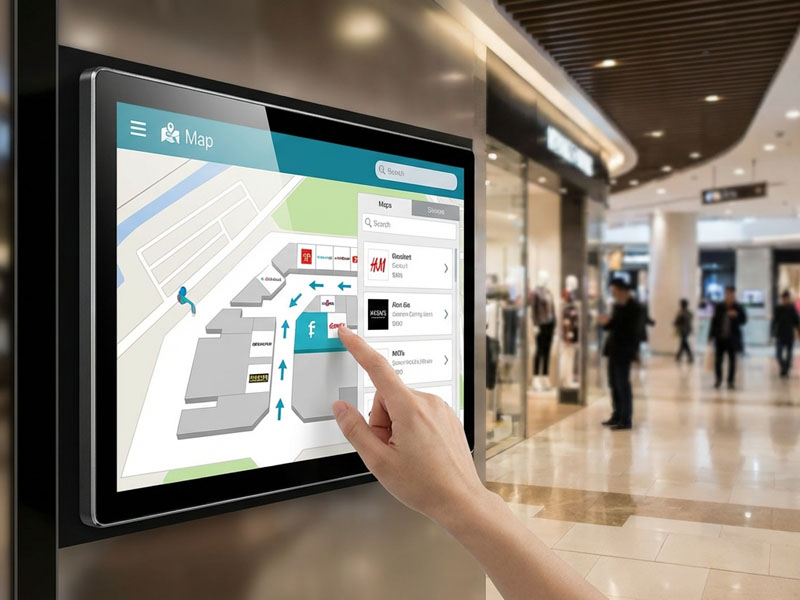
- Wayfinding and navigation assistance
- News and entertainment
- Important announcements
By using digital screens to convey relevant information, hospitals can improve the waiting experience for patients and visitors while creating a more engaging and informative atmosphere.
digital signage display
Benefits of Digital Signage in Hospital Waiting Rooms
1. Improved Patient Experience
The primary benefit of digital signage in hospital waiting rooms is its ability to enhance the patient experience. Long wait times can increase stress and anxiety for patients, and a lack of clear communication can lead to confusion. Digital signage can help alleviate these issues by providing patients with the following:
- Real-Time Updates: Displaying the status of waiting times, delays, or estimated appointment times helps manage patient expectations. It also reduces the number of inquiries to hospital staff.
- Engaging Content: By displaying educational health content, news, or entertainment, digital signage provides a more relaxing and informative atmosphere for patients. For example, patients can watch informational videos about health and wellness or learn more about services offered by the hospital.
- Wayfinding Assistance: Interactive digital displays or simple directional signage can guide patients to the correct departments, helping them navigate the hospital more efficiently and reducing stress.
2. Efficient Communication
Hospitals often face the challenge of conveying essential information to a large number of people in a timely manner. Digital signage helps streamline this communication by displaying clear and concise messages to all visitors in the waiting room. This includes:
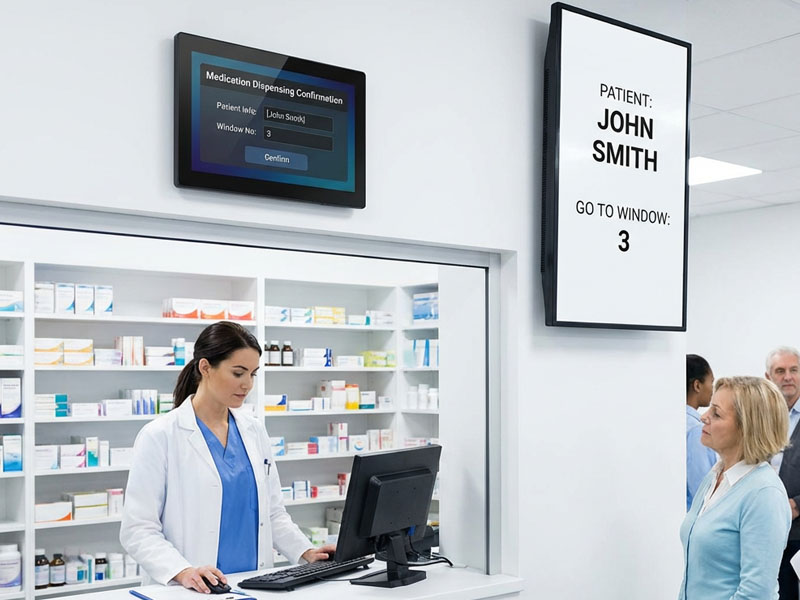
- Appointment Information: Digital signage can show the names of patients who are next to be seen, helping to reduce confusion and ensuring that patients know when it’s their turn.
- Health Announcements: Important updates, such as health and safety notices, hospital policies, or infection control protocols, can be displayed in real-time, ensuring that all patients are informed.
- Public Health Messages: Hospitals can use digital signage to share important public health information, such as flu prevention tips, vaccination schedules, or reminders to wash hands, contributing to better public health awareness.

4K UHD digital signage display-1
3. Increased Operational Efficiency
Digital signage allows hospitals to better manage their operations by reducing the need for manual communication. Traditional paper-based systems, which often require staff to make announcements or hand out brochures, can be inefficient and prone to errors.
With digital signage, hospitals can:
- Reduce Staff Workload: By automating the display of common information (e.g., wait times, appointment updates), hospitals can free up staff to focus on more critical tasks, like assisting patients or providing care.
- Remote Content Management: Hospital administrators can remotely manage and update content across all digital signage displays, making it easier to deploy updates and adjust messaging quickly, especially during emergencies or unexpected delays.
- Flexibility in Content: Hospitals can easily change the content displayed based on the time of day, the season, or the patient’s needs. For instance, the content shown in the waiting room during peak hours could be different from what is displayed during quieter times.
4. Revenue Generation
Digital signage in waiting rooms also offers hospitals an opportunity to generate additional revenue through advertising. Hospitals can display advertisements for relevant products and services, such as:
- Pharmaceutical products
- Healthcare services (e.g., physical therapy, maternity care)
- Local businesses (e.g., nearby restaurants or pharmacies)
By partnering with local businesses or health-related brands, hospitals can sell advertising space on their digital signage screens, creating a new revenue stream.
POS Android Advertising Display
5. Enhanced Branding and Patient Education
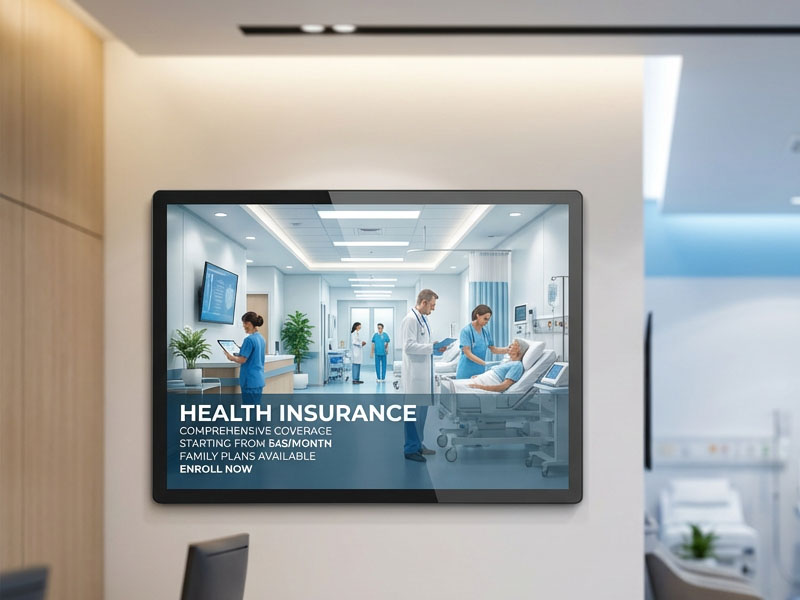
Digital signage can also play a significant role in promoting a hospital’s brand identity and educating patients. Hospitals can use screens to display:
- Hospital Branding: Logos, slogans, and key messages that reinforce the hospital’s mission and values.
- Patient Education: Educational content on common medical conditions, treatment options, or lifestyle tips that can help patients make informed decisions about their health.
- Health Awareness Campaigns: Hospitals can promote health initiatives such as disease prevention campaigns or wellness programs using the digital signage displays.
By showcasing educational content, hospitals can empower patients with knowledge that helps them make better health decisions.
Key Features of Digital Signage for Hospital Waiting Rooms
When implementing digital signage in hospital waiting rooms, there are several key features to consider to ensure optimal functionality and patient engagement:
- High-Resolution Displays: Clear, vibrant visuals are essential for conveying information effectively. High-resolution displays ensure that text, images, and videos are crisp and easy to read from a distance.
- Interactive Touchscreens: Interactive kiosks or touchscreen displays allow patients to engage with the information more directly. They can access detailed content, check-in for appointments, or even navigate the hospital.
- Remote Content Management: A cloud-based content management system enables administrators to update and manage content from any location, ensuring that the signage remains current and relevant.
- Customizable Content: Flexibility is key when it comes to content. Hospitals should be able to display dynamic content, such as real-time wait times, patient education videos, and news updates, along with static content like hospital information.
- Touch-Free Technology: With the rise of health and safety concerns, especially in light of the pandemic, many hospitals are opting for touch-free digital signage solutions. This can include motion sensors to trigger content changes or voice-activated interfaces.
- Energy Efficiency: Hospital environments operate 24/7, so it’s crucial to use energy-efficient digital signage to reduce operational costs and environmental impact.
Wall-Mounted Touch Screen Displays
Real-Life Applications of Digital Signage in Hospital Waiting Rooms
- Healthcare Clinics and Hospitals: Large medical facilities with multiple waiting areas can benefit from digital signage by showcasing customized content for each department (e.g., pediatrics, oncology, or general surgery).
- Dental Offices: Smaller healthcare settings, like dental clinics, can use digital signage to display office hours, promote dental hygiene tips, and offer information on treatments or upcoming appointments.
- Specialty Care Units: For specialized services such as oncology clinics, cardiac centers, or emergency rooms, digital signage can provide tailored content that speaks directly to the needs of patients in those departments.
Digital signage is transforming hospital waiting rooms, turning them from uncomfortable, stressful spaces into informative, engaging, and calming environments. By providing real-time information, improving patient communication, reducing wait time anxiety, and enhancing operational efficiency, hospitals can significantly enhance the patient experience. Furthermore, digital signage offers an opportunity for advertising, revenue generation, and brand reinforcement, making it a versatile and valuable investment for healthcare providers.