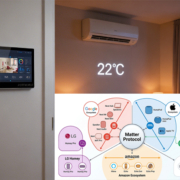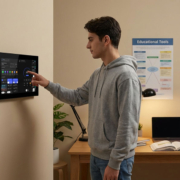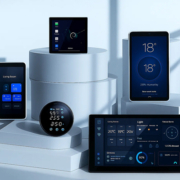
Linux-based energy management system (EMS) touch panel
Energy efficiency is one of the most critical factors in modern buildings, whether residential, commercial, or industrial. As the demand for sustainable energy solutions continues to rise, Energy Management Systems (EMS) have become essential for monitoring and controlling energy usage across a variety of facilities. One of the most advanced ways to manage these systems is through a Linux-based EMS touch panel, offering a seamless, user-friendly interface for real-time energy monitoring and control.
In this article, we’ll explore the benefits and features of Linux-based energy management system touch panels, and how they are transforming the way energy is controlled, optimized, and monitored in buildings.
What is an Energy Management System (EMS)?
An Energy Management System (EMS) is a collection of systems, processes, and technologies used to monitor, control, and optimize energy consumption. Typically, an EMS integrates with smart building systems, such as lighting, HVAC (Heating, Ventilation, and Air Conditioning), and power management, to enable real-time monitoring and data analytics for improving energy efficiency.
Key features of an EMS include:
- Real-time energy consumption tracking.
- Energy performance analytics.
- Automated energy-saving actions.
- Integration with renewable energy sources like solar and wind.
-
Demand-response capabilities to reduce energy usage during peak times.
The EMS helps facilities manage energy usage efficiently, reduce waste, optimize performance, and ultimately lower operational costs and carbon footprints.
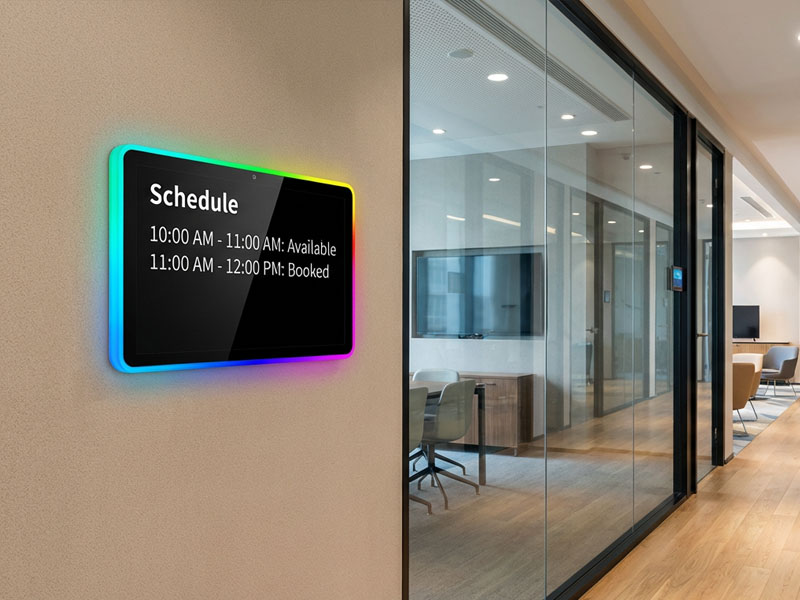
Meeting Room Display Panels
Why Choose a Linux-Based Touch Panel for EMS?
A Linux-based touch panel is the ideal solution for an EMS because it combines flexibility, customizability, stability, and security, which are essential for a highly effective and scalable energy management system.
1. Open-Source Customizability
One of the key advantages of Linux-based EMS touch panels is their open-source nature, which offers endless opportunities for customization. This makes it easy for businesses to:
- Tailor the system to specific energy management needs.
- Integrate third-party energy-saving technologies and devices (e.g., solar panels, smart meters).
- Design custom dashboards for monitoring and controlling energy consumption in real-time.
With Linux, developers have the ability to modify the system, install new features, and integrate with other systems or devices without being tied to proprietary solutions.
2. Reliability and Stability
Linux is well-known for its reliability and stability, which is essential for mission-critical systems like an EMS. Given that energy management panels are often in 24/7 operation, ensuring the system operates without crashes or downtime is crucial. Linux provides a robust platform that can handle the demands of continuous monitoring, control, and reporting while requiring minimal resources.
- Low resource overhead: Linux-based systems have lower memory and CPU usage compared to other operating systems.
- Proven reliability: Many industrial applications rely on Linux for continuous operation without interruptions, making it ideal for smart building systems.
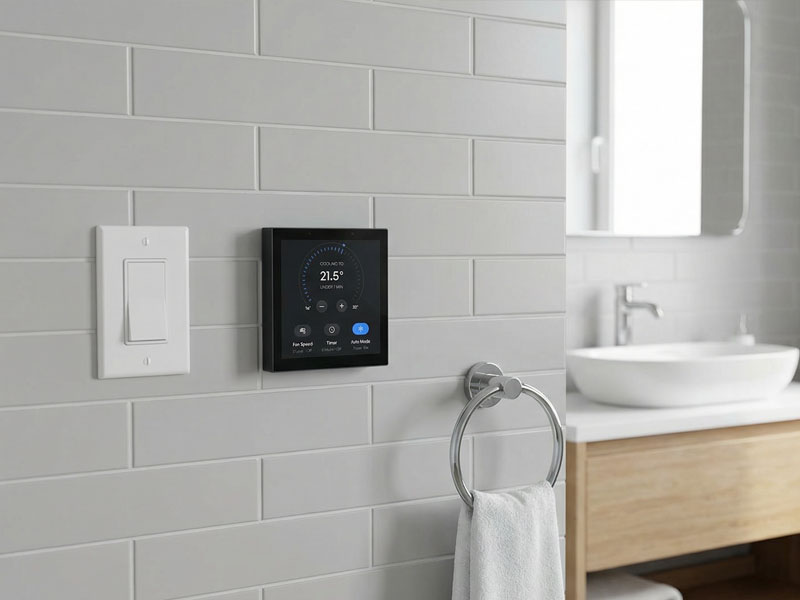
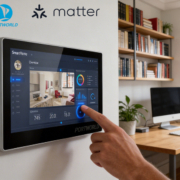
smart touch control panel7
3. Security and Data Protection
Energy management systems handle sensitive operational data, such as energy consumption patterns, predictive analytics, and performance optimization strategies. A Linux-based system provides excellent security features such as user authentication, firewalls, and data encryption to protect this sensitive data from cyber threats.
- Secure communication: Linux supports secure communication protocols such as SSL/TLS for encrypted data transfer, ensuring that energy usage information is protected.
- Role-based access control: With Linux, you can create user profiles and restrict access to specific features of the EMS to authorized personnel only.
4. Scalability for Future Integration
As smart building technologies evolve, a Linux-based EMS control panel offers the scalability needed for future expansion. Whether you’re integrating additional IoT devices, advanced energy analytics, or integrating renewable energy sources, a Linux platform offers the flexibility and robustness to grow with your energy management needs.
- Seamless integration: Linux is compatible with a wide range of energy management protocols and can be used to integrate with third-party sensors, energy storage systems, and energy distribution networks.
- Modular updates: Linux allows for easy updates and system upgrades, ensuring your EMS panel remains future-proof and able to support new technologies as they emerge.
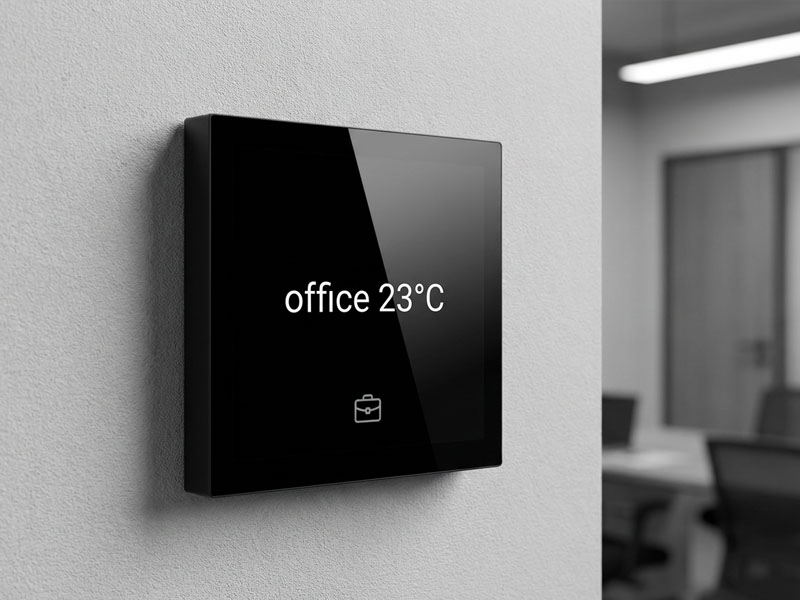
smart touch control panel-2
Features of a Linux-Based Energy Management System Touch Panel
A Linux-based EMS touch panel provides an intuitive, easy-to-use interface for managing and controlling energy systems. Some of the key features you can expect from a high-quality EMS control panel include:
1. Real-Time Energy Monitoring
- Energy Consumption Tracking: View real-time energy usage data for specific areas or devices within the building.
- Historical Data: Access detailed reports of energy usage over time to identify patterns and inefficiencies.
- Energy Cost Calculation: The control panel can calculate real-time energy costs based on usage, helping building managers optimize budgets and costs.
2. Control and Automation
- Automated Control: Program the EMS to automatically control lighting, HVAC systems, and other energy-consuming devices based on schedules or occupancy.
- On/Off Control: Turn devices and systems on/off remotely, ensuring energy is only used when needed.
- Optimization Algorithms: Some systems come with built-in energy optimization algorithms that learn from energy usage patterns to reduce wastage.
3. Smart Alerts and Notifications
- Energy Consumption Alerts: Set thresholds for energy consumption, and receive alerts when usage exceeds set limits.
- Maintenance Reminders: Get notified about maintenance requirements for energy systems (e.g., HVAC filters, lighting replacements).
- Peak Demand Alerts: Receive real-time alerts during peak demand times, and take action to reduce usage or shift load to non-peak periods.
4. Integration with Renewable Energy Sources
- Solar Integration: Track and manage energy generated by solar panels, optimizing how it is used throughout the building.
- Energy Storage Management: Integrate with energy storage solutions (e.g., batteries) to store surplus energy generated during peak solar hours and use it during periods of low generation.
5. User-Friendly Touch Interface
- Custom Dashboards: Create personalized dashboards that provide an overview of the energy systems you want to monitor, from lighting and HVAC to renewable energy production.
- Intuitive Controls: The touch interface allows building managers to quickly adjust energy consumption settings, set automation rules, and view system health status.
- Multi-Language Support: A Linux-based system can be easily adapted to support multiple languages, making it perfect for global deployments.
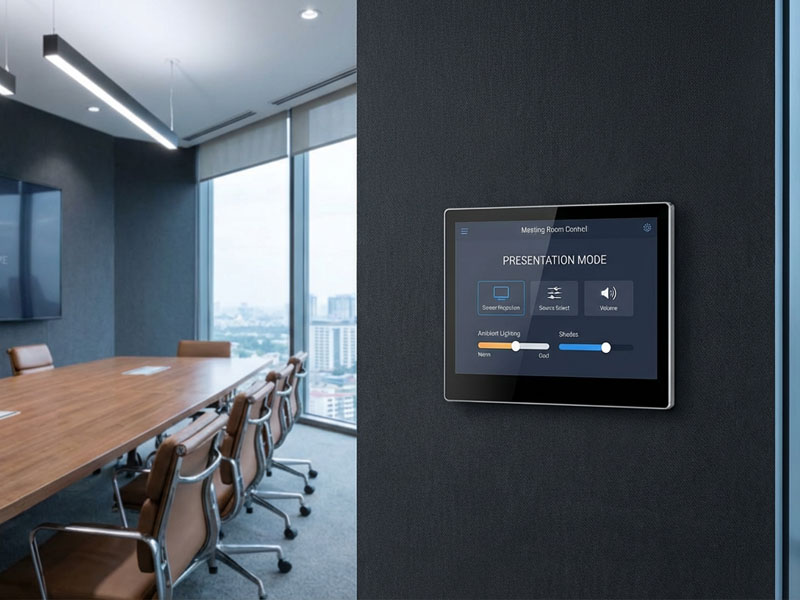
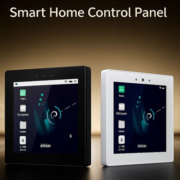
smart home control panel
Portworld’s Linux-Based EMS Touch Panel Solutions
Portworld offers a range of customizable Linux-based smart control panels that are specifically designed for energy management systems. Our touch panels are ideal for controlling all aspects of a building’s energy consumption, from HVAC systems to lighting and renewable energy sources.
Key Features of Portworld’s Linux-Based EMS Panels:
- Real-Time Monitoring: View and manage energy usage data for various systems, all from a central control point.
- Energy Optimization: Automated energy-saving solutions and AI-driven optimization features to reduce consumption and improve efficiency.
- Scalability: Easily integrate additional devices, renewable energy sources, and storage solutions to create a more efficient energy management system.
- User-Centric Interface: Customizable, easy-to-use touch interface with intuitive controls for seamless interaction.
- Secure: Built-in security features for protecting sensitive energy data and controlling access to system settings.
The Future of Energy Management with Linux-Based Touch Panels
A Linux-based energy management system (EMS) touch panel is a powerful solution for building managers and energy engineers seeking to optimize energy consumption and reduce operational costs. With its customizability, security, and flexibility, Linux offers the ideal platform for building intelligent, scalable, and efficient energy management systems.
By choosing Portworld’s Linux-based EMS panels, you are investing in a reliable, future-proof, and energy-efficient solution that helps you manage and monitor your building’s energy usage effectively. With real-time control, seamless integration, and AI-driven optimization, the future of smart building energy management is at your fingertips.