Smart Control Panel vs Traditional Switch: A Comparative Guide to Home Automation
/in Industry information /by administratorSmart Control Panel vs Traditional Switch: A Comparative Guide to Home Automation
As home automation continues to evolve, one of the most significant innovations in smart living is the smart control panel. This device offers centralized management of your entire home’s automation system, from lighting and temperature control to security and entertainment. But how does a smart control panel compare to the traditional switches that many homes still rely on? In this article, we’ll explore the key differences between these two types of control systems, highlighting the advantages and drawbacks of each.
What is a Smart Control Panel?
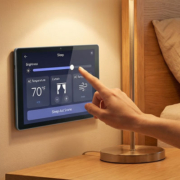
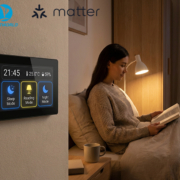
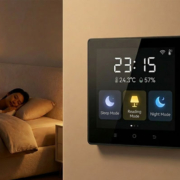
A smart control panel is a centralized, touch-enabled interface that allows users to manage various smart devices and systems in their homes or offices. It connects to a home automation network and offers an intuitive way to control everything from lighting, climate, and security systems to entertainment devices. Smart control panels are often equipped with features such as voice control, Wi-Fi connectivity, customizable user interfaces, and integration with multiple smart home ecosystems like Alexa, Google Assistant, and Zigbee.
Key Features of Smart Control Panels:
- Touchscreen interface for intuitive navigation.
- Voice control integration via Alexa, Google Assistant, etc.
- Remote control via smartphone or tablet apps.
- Automation features like scheduling and scene setting.
- Multiple device control through a single interface.
- High-resolution displays for detailed status updates and control.
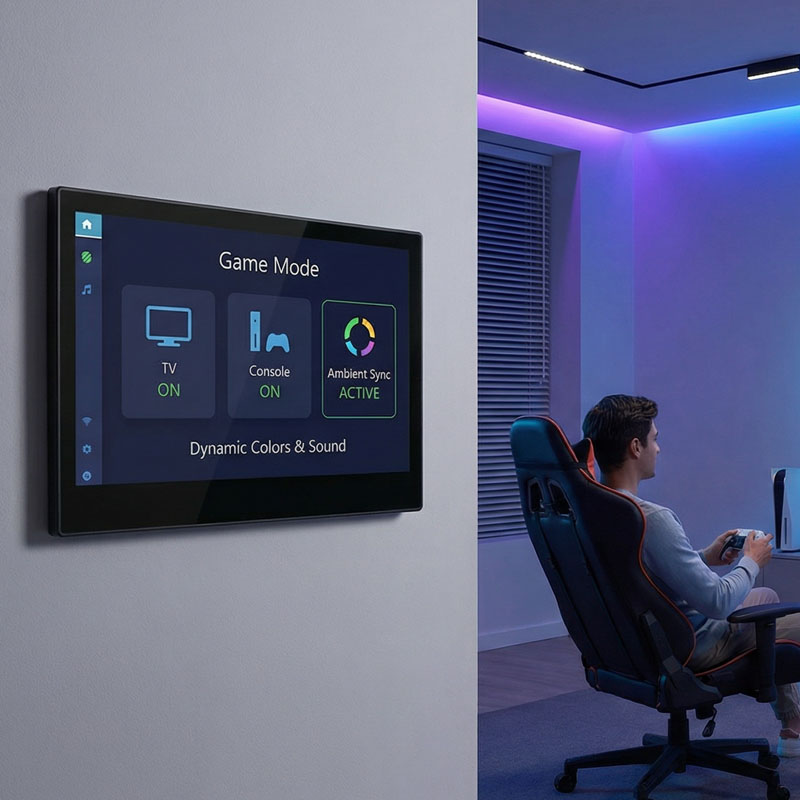
YC-SM116P 11.6 inch Smart Home Automation Touch Control
What are Traditional Switches?
Traditional switches are the standard devices used to control lighting, appliances, and other electrical systems in a home. These are the physical, often simple on/off switches that have been in use for decades. They are typically mechanical and don’t offer the advanced features found in smart home technology.
Key Features of Traditional Switches:
- Basic on/off functionality for controlling lights, fans, and appliances.
- Physical, manual operation with no remote or automated control.
- Simple installation with no need for Wi-Fi or smart device connectivity.
- Low cost compared to smart control panels.
Key Differences: Smart Control Panel vs Traditional Switch
1. Functionality and Features
Smart Control Panel:
A smart control panel provides a wide range of functions, such as managing lighting, temperature, security, and entertainment systems all from a single interface. It allows for customizable settings, such as adjusting the brightness of your lights, setting temperature schedules for your HVAC system, and managing security cameras, all from one central hub. Additionally, it enables voice control via Alexa or Google Assistant, allowing you to control devices hands-free.
- Automation: You can create custom scenes (e.g., “Movie Night” scene that dims the lights and turns on the TV), set schedules, and even control devices remotely through smartphone apps.
- Remote Control: Control your home from anywhere using an app, making it perfect for modern, connected lifestyles.
Traditional Switch:
Traditional switches are limited to basic on/off control. There is no ability to automate devices or remotely control systems. Each switch typically only operates a single function—such as turning a light on or off—without any integration with other systems.
- Manual Operation: Every switch requires direct interaction to control devices, which can be inconvenient if you’re managing multiple systems or in a home with many rooms and devices.
- No Automation: No ability to schedule or automate tasks like adjusting the thermostat or dimming lights at specific times.
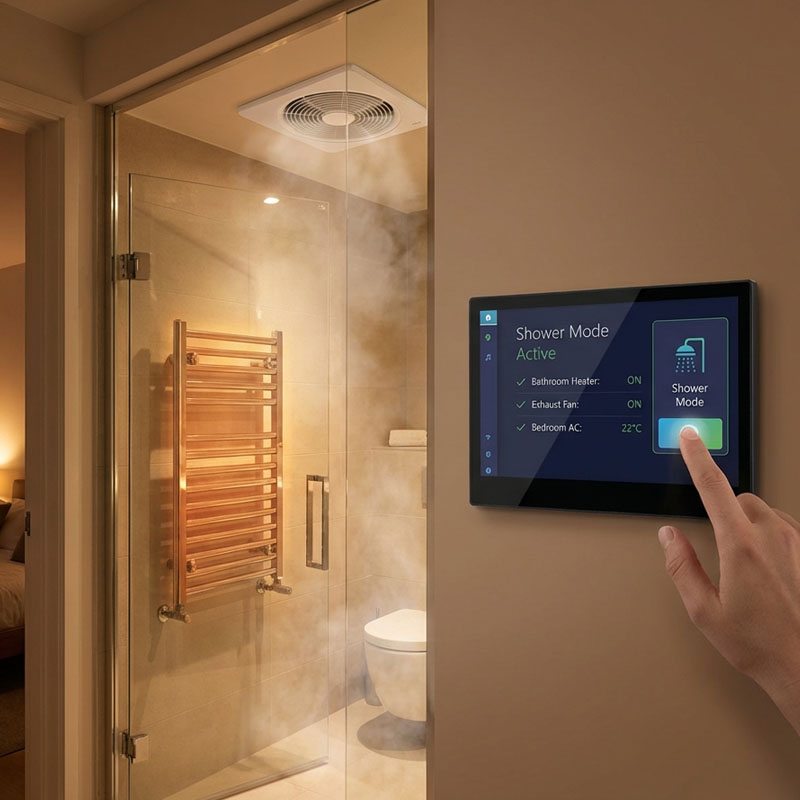
YC-SM10P Smart Home Wall Mount POE Tablet-3
2. Ease of Use
Smart Control Panel:
While smart control panels come with advanced functionality, they are designed with intuitive touchscreens that make controlling your smart home easy. With user-friendly interfaces and the option for voice commands, they reduce the complexity of managing multiple smart devices.
- Touchscreen Interface: Clean, interactive, and easy to navigate, allowing you to control everything in one place.
- Voice Assistance: Use simple voice commands to control devices, making it perfect for people with mobility issues or those who prefer hands-free operation.
- Customizable: Tailor your control panel’s dashboard to prioritize the devices you use the most.
Traditional Switch:
Traditional switches are incredibly easy to use and don’t require much explanation. Flip the switch, and the device turns on or off. However, they are less adaptable to changing needs. If you want to add new functionality or adjust settings like light dimming or room temperature, you’ll need to install additional switches or devices.
- Simplicity: The lack of technology makes traditional switches straightforward but limited to their basic purpose.
- No Customization: Once installed, traditional switches can’t be adjusted for more complex or multi-device control.
3. Integration and Connectivity
Smart Control Panel:
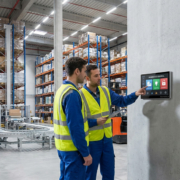
A smart control panel is designed to integrate seamlessly with a wide range of smart home devices and technologies. Whether you have smart lighting, thermostats, security cameras, or home entertainment systems, a smart control panel brings all your devices into one centralized hub. Many smart panels are Wi-Fi enabled and support systems like Zigbee, Z-Wave, KNX, and Bluetooth, making them compatible with a vast range of products.
- Multi-Device Integration: Control lighting, climate, entertainment, and security from a single panel.
- Smart Ecosystem: Works with smart speakers, cameras, motion sensors, smart bulbs, and more.
Traditional Switch:
Traditional switches are standalone devices that do not offer any connectivity or integration with other systems. They operate independently and cannot be synced with smart devices or controlled remotely.
- No Integration: Each switch operates independently, and adding functionality often means installing additional switches.
- Limited Connectivity: There is no way to connect switches with other smart systems or devices in the home.
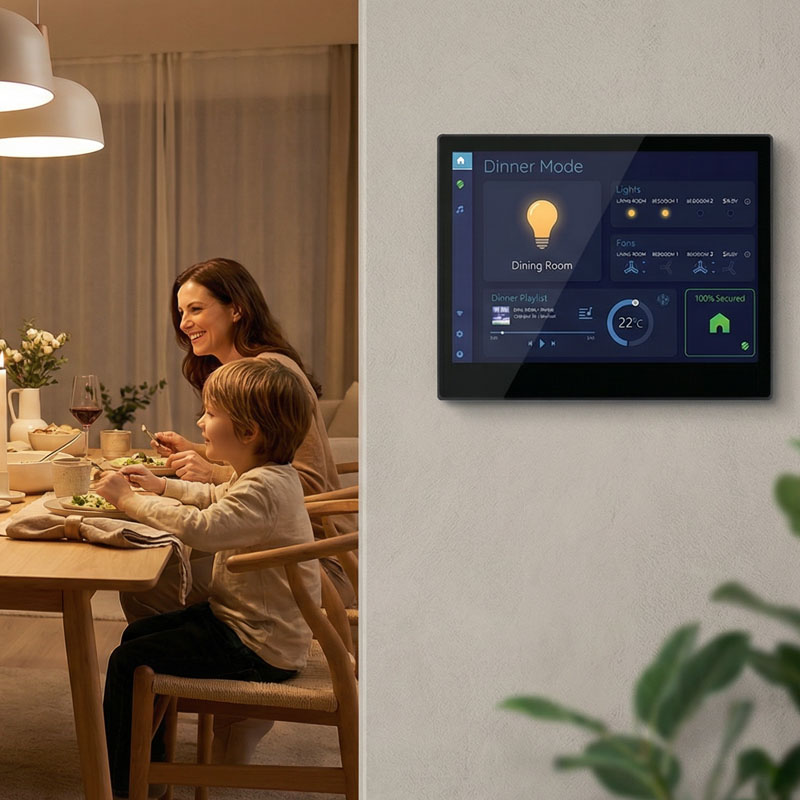
YC-SM10P Smart Home Wall Mount POE Tablet-3
4. Energy Efficiency and Cost
Smart Control Panel:
While smart control panels can be a higher upfront investment, they can lead to long-term energy savings by offering more precise control over devices like lighting and heating. Automated systems can turn off devices when they’re not in use, help set optimal temperature ranges, and even track energy consumption, helping to reduce waste.
- Energy Management: Automate energy-saving schedules and monitor usage in real time.
- Upfront Investment: The cost of a smart control panel may be higher than traditional switches, but the potential for energy savings and convenience may justify the expense.
Traditional Switch:
Traditional switches are much more affordable and have lower upfront costs. However, they don’t offer any energy-saving features or automation. They also don’t allow for monitoring of energy consumption or adjusting the usage of devices automatically.
- Lower Initial Cost: Easy to install and inexpensive, but limited to basic functions.
- No Energy Tracking: Unable to track energy usage or provide any automation for saving power.
Which is Right for You?
Both smart control panels and traditional switches have their merits, but they cater to different needs:
- Smart Control Panels are perfect for those who want to automate their homes, enjoy hands-free control, and integrate multiple devices into one user-friendly system. They are ideal for tech-savvy users who want to manage everything from lighting to security with ease.
- Traditional Switches, on the other hand, are simple, cost-effective, and reliable for basic control of your home’s devices. They are a great option for users who are satisfied with basic functionality and prefer low-tech solutions.
If you’re ready to upgrade to a more efficient, modern home, Portworld’s smart control panels offer a range of options that integrate seamlessly into your life, providing powerful features like voice control, automation, and energy management, all in one convenient panel.