Linux based smart home central control
As the demand for smarter, more connected homes grows, the role of a central control system becomes increasingly essential. A Linux-based smart home central control system offers a stable, flexible, and highly customizable platform for managing everything from lighting and climate control to security and appliances. As a leading provider of smart home solutions, Portworld offers high-performance, easy-to-integrate products that help users build a connected, efficient, and secure home environment with the power of Linux.
What is a Linux-Based Smart Home Central Control System?
A Linux-based smart home central control system acts as the brain of a home automation setup, centralizing the management and operation of various smart devices. By using Linux as the operating system, these systems provide a stable and customizable environment for controlling everything from lighting and HVAC systems to security cameras and smart locks.
Linux, known for its security, flexibility, and cost-effectiveness, serves as an ideal foundation for smart home automation. Unlike proprietary systems, Linux allows for greater customization and compatibility, ensuring that users can integrate a wide variety of smart devices and create a scalable home automation solution that grows with their needs.
Portworld’s Smart Home Products and Services
As a leader in the smart home industry, Portworld offers a range of Linux-compatible smart home control panels that help users achieve comprehensive home automation. Here are some of the key products and services provided by Portworld:
- YC-SM10P 10-inch Smart Control Panel
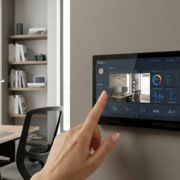
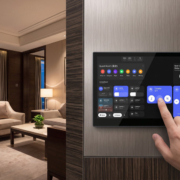
For users who require a larger screen, the YC-SM10P offers a 10-inch touchscreen ideal for smart homes, hotels, and office spaces. Powered by Android 11 and the RK3566 processor, the YC-SM10P delivers powerful performance and modern aesthetics. This panel enables users to manage all connected devices in their smart environment, providing an easy and intuitive way to control home automation features. - PoE Industrial Touch Panels
For industrial and commercial applications, Portworld offers PoE (Power over Ethernet) touch panels designed for high durability, high brightness, and reliability. These panels are resistant to dust, water, and shocks, making them ideal for use in industrial control, building automation, and conference rooms. The PoE technology simplifies installation by reducing the need for separate power cables, making these devices both practical and efficient for demanding environments. - OEM/ODM Customization Services
Portworld provides comprehensive OEM/ODM services, offering customers the ability to fully customize both hardware and software solutions to meet their specific needs. Whether it’s appearance design, OS selection, hardware (e.g., PCBA design, sensor integration), or software (e.g., SDK/BSP development), Portworld helps create tailored smart home control panels that fit your brand and functional requirements. This level of customization ensures the end product perfectly suits your home automation needs. - Smart Home Integration and Remote Control
Portworld’s smart home control systems support both local and remote control. Through mobile apps or voice assistants like Google Assistant and Amazon Alexa, users can control home devices easily. These control panels seamlessly integrate with other smart devices, creating a cohesive smart home system where all devices can be managed from one interface. - Energy Management and Performance Monitoring
Portworld’s smart home control panels come with built-in energy management features that help users track electricity consumption in real-time and make smart adjustments to reduce energy use. Users can set schedules for devices, monitor performance, and optimize power usage to lower electricity bills. This smart energy management system also helps extend the life of your appliances by preventing overloads.
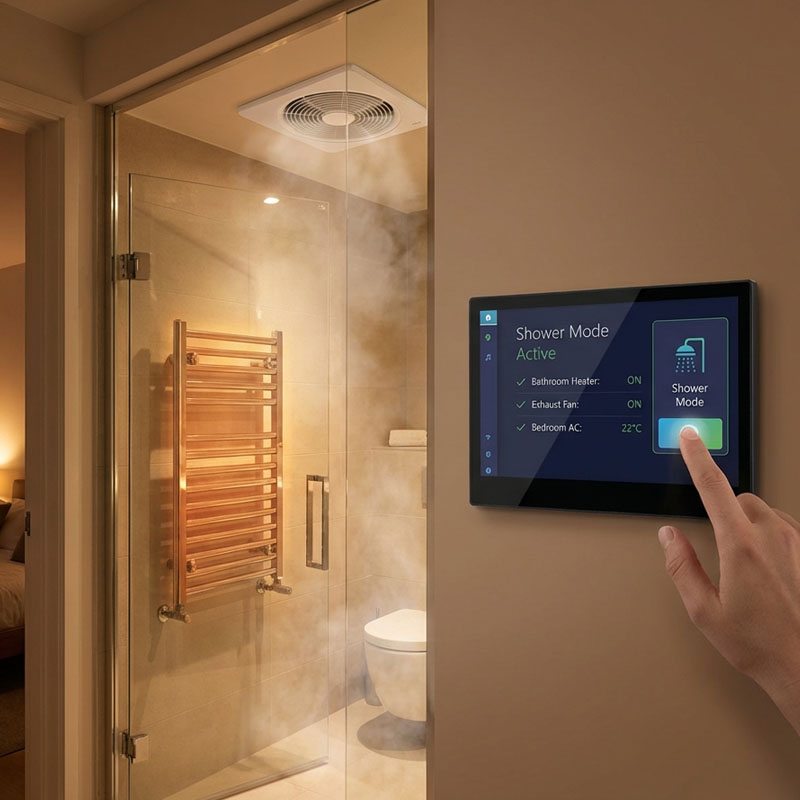
YC-SM10P Smart Home Wall Mount POE Tablet-3
Advantages of Linux-Based Smart Home Control Systems
- High Customizability and Flexibility
One of the biggest benefits of using Linux for smart home control systems is the level of customization it offers. Users can modify the system’s interface, functions, and features to suit their specific needs. For example, you can adjust the dashboard layout, add custom energy management tools, or integrate third-party devices not supported by other systems. This flexibility ensures the system is tailored to the exact requirements of each home. - Robust Security
Security is critical for any smart home system, and Linux provides a strong foundation for building secure control systems. Linux’s built-in security features, such as advanced user permissions, encryption, and regular updates, help protect your home automation network from cyber threats. Compared to proprietary systems, Linux allows for the implementation of the latest security protocols, ensuring your system remains safe and secure. - Compatibility and Scalability
One of the challenges with many smart home systems is ensuring compatibility between different devices. A Linux-based system overcomes this by supporting a wide range of devices and communication protocols (such as Wi-Fi, Zigbee, Z-Wave, and Bluetooth). This means you can integrate devices from different manufacturers, creating a unified and scalable smart home ecosystem that grows with your needs. - Cost-Effectiveness and Scalability
Linux-based systems are typically more cost-effective than proprietary alternatives due to their open-source nature. Users can avoid costly licensing fees and vendor lock-ins, making Linux an excellent choice for both small and large-scale home automation projects. Additionally, the scalability of Linux-based systems allows users to easily add new devices or expand their automation setup as their needs evolve. - Automation and Scheduling
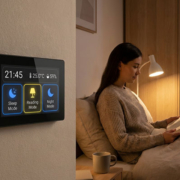
Linux-based control systems are ideal for automating routine tasks. For example, you can set schedules for appliances to turn on and off, lights to dim, or thermostats to adjust based on your routine. This level of automation adds convenience and energy savings, making your home smarter and more efficient. - Voice Control and Remote Access
Many Linux-based systems, including Portworld’s, support integration with voice assistants like Google Assistant and Amazon Alexa. This allows users to control their smart home devices hands-free, providing added convenience. Additionally, these systems support remote access, enabling users to monitor and control their devices from anywhere, whether they’re at home or on the go.
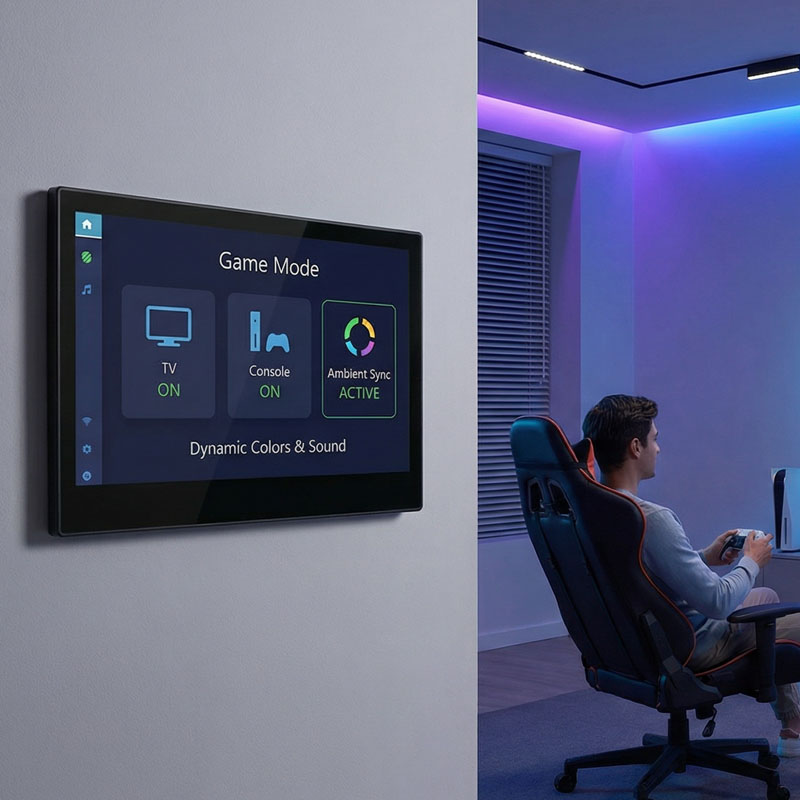
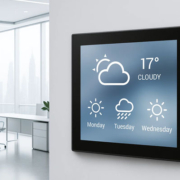
YC-SM116P 11.6 inch Smart Home Automation Touch Control
Why Choose Portworld’s Smart Home Control Systems?
Portworld is committed to delivering high-quality smart home solutions that meet the needs of modern consumers. Here’s why Portworld’s Linux-based smart home control systems stand out:
- Durability and Reliability: Portworld’s smart control panels are designed to withstand long-term use, providing stable and reliable performance.
- Comprehensive Compatibility: These systems are compatible with a wide variety of devices and protocols, enabling users to build a comprehensive smart home setup.
- Smart Energy Management: Built-in energy management features help users reduce their power bills by optimizing energy usage and preventing device overload.
- High Customization: With Portworld’s OEM/ODM services, customers can fully customize both hardware and software to create tailored solutions.
- Global Technical Support: Portworld provides expert support and after-sales service, ensuring smooth installation and continued operation of your smart home system.
A Linux-based smart home central control system provides a high level of customization, security, and integration, making it the perfect choice for homeowners looking for a flexible, scalable, and cost-effective smart home solution. With Portworld’s advanced smart home control panels, users can fully leverage Linux’s capabilities to automate their homes, manage energy consumption, and create an intelligent living space. Whether you’re just starting your smart home journey or looking to upgrade your existing setup, Linux-based control systems provide the foundation for a modern, efficient, and connected home.