What is the Purpose of a Control Panel?
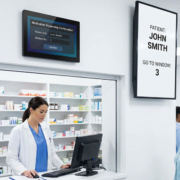
A control panel is a critical component in any automated system, whether in homes, businesses, industrial environments, or even healthcare facilities. The purpose of a control panel is to act as the interface through which users manage and control various devices and systems. These panels allow for centralized control, monitoring, and automation of multiple connected systems and devices from a single location. In this article, we will explore the key functions and purposes of a control panel, as well as how they enhance efficiency, convenience, and security across different environments.
Key Purposes of a Control Panel
1. Centralized Management and Control
One of the primary purposes of a control panel is to provide centralized management for various systems within a given environment. Whether you’re in a smart home, office building, factory, or hospital, a control panel acts as a central hub where all systems can be monitored and adjusted.
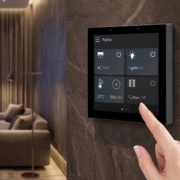
- Smart Homes: Control panels are used to manage lighting, HVAC, security, entertainment, and other smart devices from a single touchpoint.
- Offices and Commercial Spaces: Control panels allow facility managers to manage lighting, access control systems, climate control, and more.
- Industries and Factories: Control panels are essential for overseeing machinery, production lines, energy systems, and safety protocols.
By bringing all management functions to one place, a control panel simplifies the operation and maintenance of complex systems, allowing for faster decision-making and more efficient use of resources.
2. User-Friendly Interface for Device Interaction
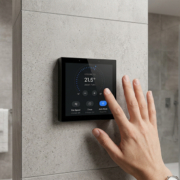
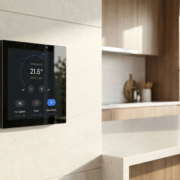
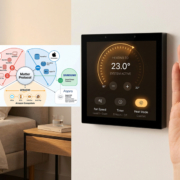
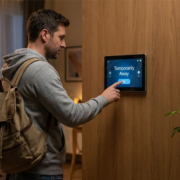
Control panels provide an intuitive interface, often in the form of a touchscreen display, where users can interact with various devices and systems. These panels are designed to make controlling complex systems simple and user-friendly.
- Touchscreen Controls: Modern control panels come with capacitive or resistive touchscreens that allow users to control devices with just a tap, swipe, or zoom.
- Graphical User Interface (GUI): The control panel displays real-time information and settings in a clear, easy-to-understand graphical interface, so users don’t have to manually check or operate individual devices.
- Customization Options: Many control panels allow users to personalize the interface by adding shortcuts, widgets, or custom controls, making it easier to access the most-used features.
Whether in a residential setting, an office, or a factory, this intuitive interface reduces the learning curve and enables users to interact with systems without needing technical expertise.
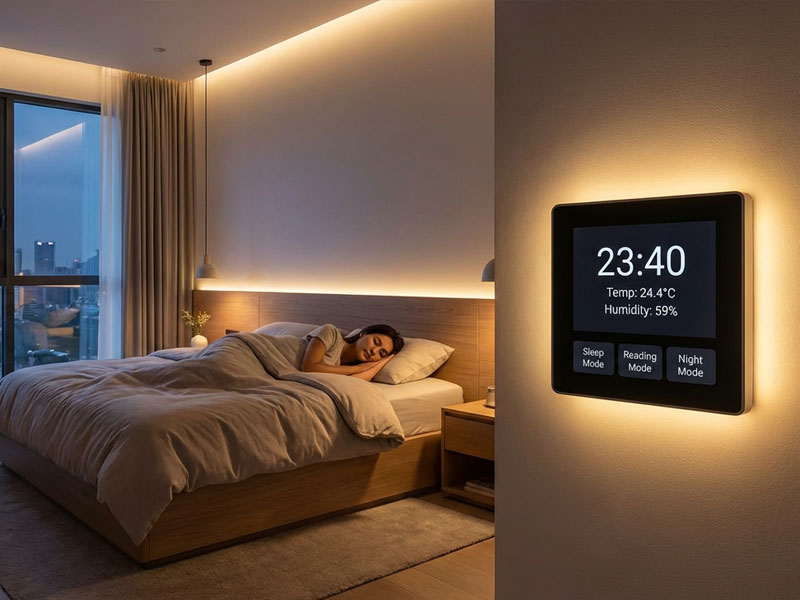
smart panel
3. Automation of Repetitive Tasks
Control panels often come with built-in automation features that allow systems to operate autonomously based on predefined rules or schedules. This function eliminates the need for manual operation of everyday tasks, saving time and improving overall efficiency.
- Lighting Control: Set schedules for lights to turn on/off based on time of day or motion detection.
- Temperature Management: Automate heating and cooling systems to adjust room temperatures based on occupancy or set schedules.
- Security Systems: Automate the activation and deactivation of security systems, such as alarms or cameras, based on occupancy or predefined times.
Automating everyday functions with a control panel reduces manual effort, increases convenience, and enhances energy efficiency.
4. Real-Time Monitoring and Feedback
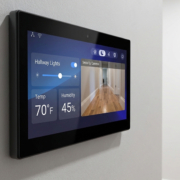
Control panels provide users with real-time monitoring of various systems and devices, displaying live data such as performance statistics, current statuses, and alerts. This feature ensures that users can always check the state of systems at a glance.
- Security: Control panels allow users to monitor security cameras, track motion sensors, and receive alerts for any breaches or anomalies.
- Energy Management: Control panels can display energy usage data for systems like lighting and HVAC, helping to optimize energy consumption.
- Machine Monitoring: In industrial settings, control panels display performance data from machinery, ensuring that systems are functioning within their specified parameters.
Having access to this real-time information helps users identify issues before they become critical, enabling faster response times and improving overall system reliability.
5. Improving Efficiency and Productivity
By consolidating control over multiple systems, a control panel improves efficiency and productivity. Instead of requiring multiple devices or interfaces to manage different systems, a single control panel streamlines operations, saving both time and effort.
- Commercial Spaces: Control panels make it easy to adjust the lighting, HVAC, and audiovisual systems in a meeting room, optimizing the environment for presentations and meetings.
- Industrial Facilities: In factories, control panels monitor machines, production lines, and safety systems, ensuring smooth operations with minimal downtime.
- Smart Homes: In homes, control panels allow users to manage everything from entertainment systems to security, making day-to-day tasks simpler and more efficient.
The ability to manage multiple devices from one location without switching between interfaces allows users to increase operational efficiency.
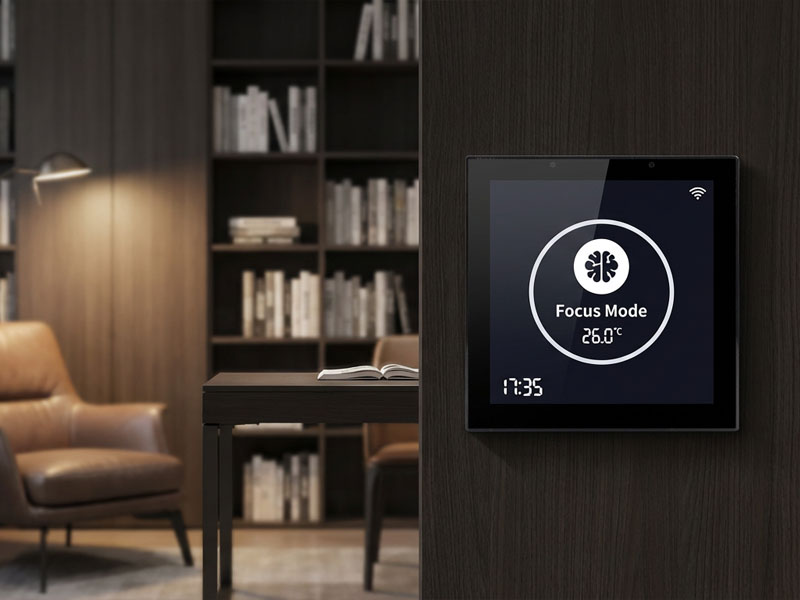
Android Central Control Panel
6. Enhanced Security and Safety
In many applications, a control panel also plays a crucial role in enhancing security and safety. It allows users to manage security systems and monitor vital safety parameters, reducing the risk of security breaches or system failures.
- Security Systems: Manage and monitor smart locks, cameras, and alarms to ensure the safety of your property.
- Fire Safety: In industrial or commercial settings, control panels can monitor fire alarms and smoke detection systems, triggering automatic responses like activating sprinklers or closing fire doors.
- Occupancy Sensors: Control panels can integrate with occupancy sensors to manage lighting and HVAC systems, optimizing energy use while also ensuring safety.
By providing real-time monitoring and control, a control panel ensures that the systems are functioning safely and effectively.
7. Remote Access and Control
Modern control panels, especially those integrated with cloud-based systems, allow users to remotely access and control systems from anywhere in the world. This feature is particularly beneficial for smart homes, offices, and businesses where users may not always be physically present.
- Mobile Access: Many control panels come with dedicated apps that allow users to control systems via smartphones or tablets, even while away from home or work.
- Cloud Integration: Cloud-enabled control panels allow users to monitor and control devices via an internet connection, providing convenience and peace of mind.
Remote control also plays a crucial role in business continuity, as it allows operators to troubleshoot issues and make adjustments without needing to be on-site.
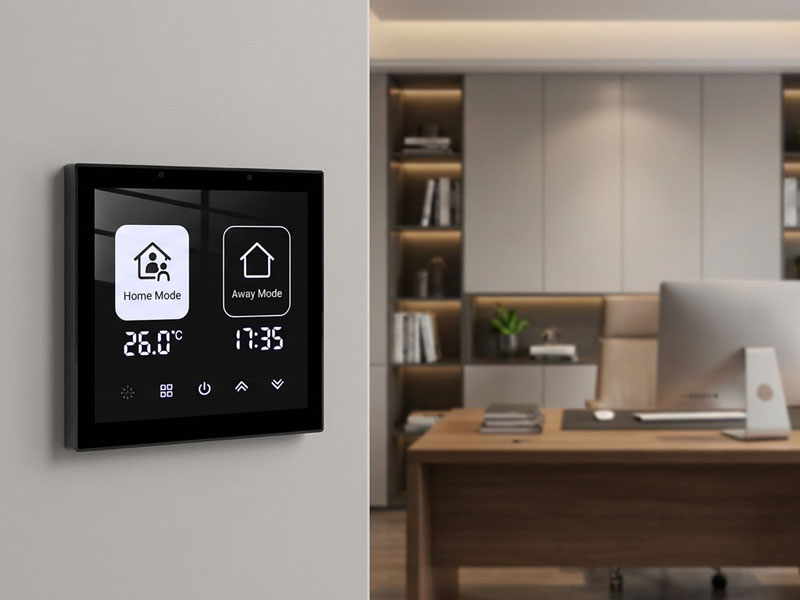
smart control panel
Portworld’s Smart Control Panel Solutions
At Portworld, we offer a range of smart control panels that cater to various applications, including home automation, office management, healthcare, and industrial environments. Our products are designed for ease of use, reliability, and customization, ensuring that our customers receive the best solutions for their needs.
Some of our featured products include:
- YC-SM41P: A compact, 4-inch smart control panel for small spaces and residential environments.
- YC-SM10P: A larger, 10.1-inch POE smart control panel for offices and commercial spaces.
- YC-SM1011: A high-performance 10.1-inch smart panel ideal for complex automation tasks.
Our solutions are customizable to meet the unique requirements of different environments. Whether you need OEM/ODM services or a specific software integration, Portworld provides end-to-end support for creating tailored smart control solutions.
A control panel serves as the nerve center for any smart environment, offering centralized control, automation, monitoring, and security features. It streamlines operations, enhances user convenience, and boosts efficiency by allowing users to manage multiple systems from a single, intuitive interface.