3000 Nits vs 1500 Nits Outdoor Displays: Which Brightness Level Do You Need?
Outdoor digital signage has emerged as a vital communication medium for smart cities, transportation networks, retail marketing, tourist attractions, and public information systems. However, the process of selecting the appropriate outdoor display extends beyond merely considering screen size or resolution. A critical factor influencing outdoor visibility is the brightness of the display.
When evaluating an outdoor digital signage solution, many companies inquire: Should we opt for a 1500 nits display or a 3000 nits high-brightness display?
The decision hinges on various factors, including the installation environment, exposure to sunlight, viewing distance, and specific application needs. Gaining insight into the distinctions between 3000 nits and 1500 nits outdoor displays can assist businesses in choosing a more dependable and cost-efficient option.
What Does “Nits” Signify in Outdoor Displays?
Nits serve as a metric for display brightness, indicating the quantity of light emitted by a screen.
In simple terms:
Higher nits = brighter display
Higher brightness = enhanced visibility in bright sunlight
Indoor displays generally range from approximately 250 to 700 nits, whereas outdoor digital signage necessitates considerably higher brightness levels due to the potential for sunlight to diminish screen visibility.
For outdoor applications:
1000–1500 nits: Appropriate for various semi-outdoor and shaded outdoor settings
2000–3000 nits: Engineered for direct sunlight and challenging outdoor conditions
1500 Nits Outdoor Display: A Balanced Option for Numerous Environments
A 1500 nits outdoor display strikes a favorable balance between visibility, energy efficiency, and cost.
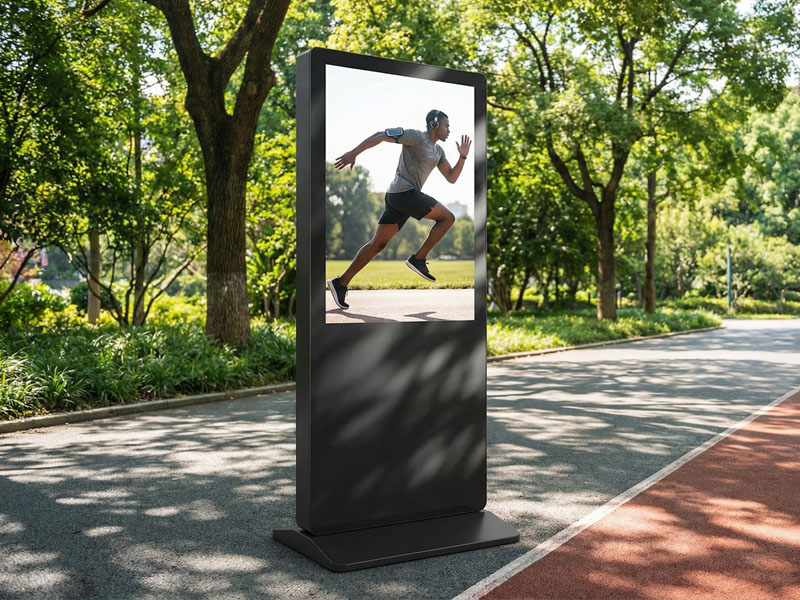
YC-5520FL
55″ Floor Standing Digital Signage
It is frequently utilized in areas where direct sunlight exposure is minimal or where the display enjoys partial protection.
- Common applications encompass:
- Shopping mall entrances
- Hotel entrances
- Covered transportation zones
- Building lobbies
- Semi-outdoor advertising locations
- Gas station canopies
Benefits of 1500 Nits Displays
1. Excellent Outdoor Visibility
A display with 1500 nits offers clear visibility of content in various outdoor settings, particularly during daylight hours.
2. Reduced Power Consumption
In comparison to ultra-high brightness displays, 1500 nits options utilize less energy, making them ideal for projects that require extended operational periods.
3. Cost-Effectiveness
For projects exposed to moderate sunlight, 1500 nits displays deliver outstanding performance without incurring excessive brightness costs.
Nonetheless, in regions with intense direct sunlight, particularly in open outdoor areas, a higher brightness level may be necessary.
3000 Nits Outdoor Display: Engineered for Direct Sunlight Conditions
A 3000 nits outdoor display is specifically designed for demanding outdoor environments where maximum visibility is essential.
These displays are frequently utilized in:
– Outdoor advertising kiosks
– Bus stations
– Airports
– Tourist attractions
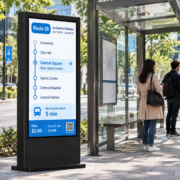
– Smart city information terminals
– Roadside advertising screens
– Open parking lots
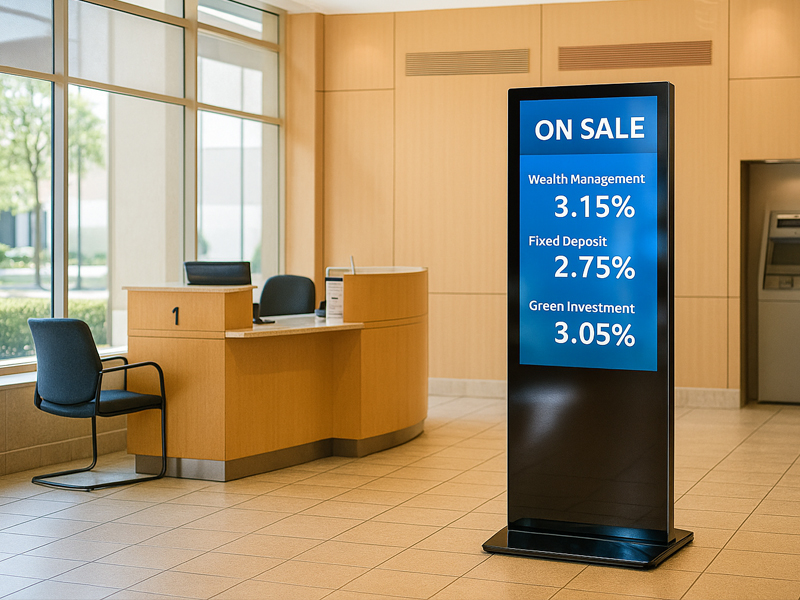
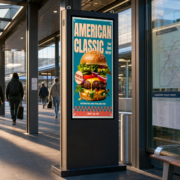
digital signage display
Benefits of 3000 Nits Displays
1. Exceptional Sunlight Readability
The primary benefit of 3000 nits brightness is its ability to maintain clear visibility in direct sunlight.
Even when sunlight directly hits the screen, the content remains legible and visually appealing.
2. Enhanced Advertising Effectiveness
In commercial advertising, visibility plays a crucial role in customer engagement.
Increased brightness aids in:
- Capturing attention
- Improving image quality
- Creating a more powerful visual impact
3. Ideal for Continuous Outdoor Operation
Professional 3000 nits displays are typically constructed with industrial-grade components, which include:
- High-performance LED backlight systems
- Thermal management solutions
- Automatic brightness adjustment
- Outdoor protective structures
3000 Nits vs 1500 Nits: Key Differences
| Feature | 1500 Nits Outdoor Display | 3000 Nits Outdoor Display |
|---|---|---|
| Brightness Level | Medium-high brightness | Ultra-high brightness |
| Sunlight Visibility | Good | Excellent |
| Direct Sun Exposure | Limited | Ideal |
| Power Consumption | Lower | Higher |
| Cost | More economical | Higher investment |
| Best For | Semi-outdoor environments | Full outdoor environments |
| Typical Use | Retail, hotels, covered areas | Smart cities, transport, outdoor advertising |
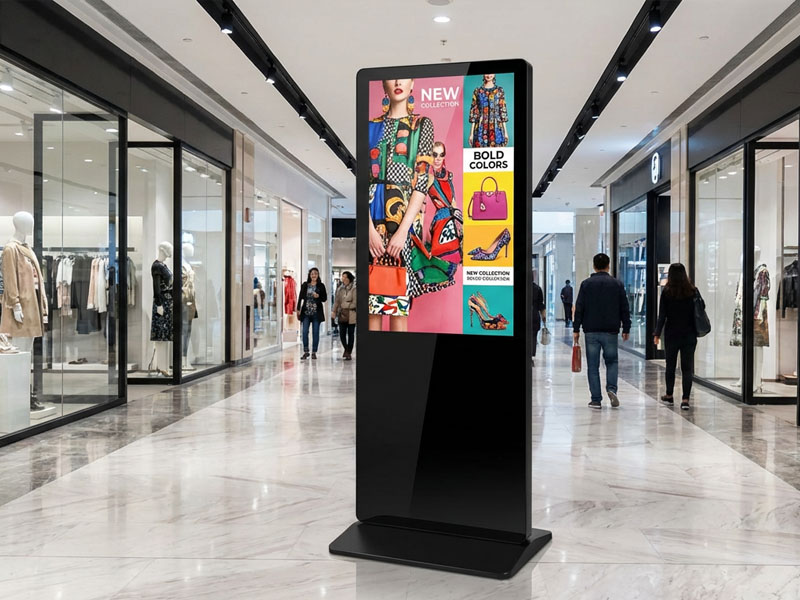
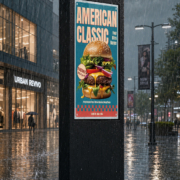
Vertical Advertising Digital Signage Screens
How to Select the Appropriate Brightness Level?
The choice between 1500 nits and 3000 nits is influenced by various factors.
1. Installation Location
Consider the following questions:
- Is the display subjected to direct sunlight?
- Is it positioned beneath a roof or canopy?
- Does sunlight strike the screen during peak hours?
For shaded locations, 1500 nits may suffice.
In contrast, for open outdoor environments, 3000 nits is generally the preferred option.
2. Viewing Distance
Large outdoor advertising screens that are viewed from afar typically necessitate higher brightness levels.
For instance:
Small information panels located near users: 1500 nits may be adequate.
Large advertising displays situated along roads or in public areas: 3000 nits ensures enhanced visibility.
3. Content Type
- Various types of content demand different brightness levels.
- Static information displays can function effectively with moderate brightness.
Advertising screens that showcase:
- Videos
- Product images
- Brand promotions
tend to benefit from increased brightness to achieve a more significant visual impact.
Portworld Outdoor Digital Signage Solutions
Portworld offers tailored outdoor digital signage solutions intended for commercial and smart city applications.
Their outdoor display platforms accommodate brightness configurations ranging from standard outdoor levels to ultra-high brightness options.
Common features include:
- 1000–3000 nits brightness choices
- Automatic brightness adjustment
- IP65 waterproof protection
- IK10 anti-vandal tempered glass
- Industrial-grade cooling system
- Android/Linux/Windows compatibility
- Remote CMS management
Portworld outdoor displays are engineered for uses such as:
- Smart city advertising
- Transportation information systems
- Tourism wayfinding
- Retail outdoor advertising
Final Recommendation: 1500 Nits or 3000 Nits?
There is no universal brightness level suitable for every outdoor project.
Opt for 1500 nits outdoor displays when:
– The installation site experiences partial shade
– Energy efficiency is a priority
– The display is not subjected to intense direct sunlight
Select 3000 nits outdoor displays when:
– The screen is positioned in fully open outdoor spaces
– Optimal sunlight visibility is necessary
– The display is intended for advertising or smart city initiatives
For businesses considering long-term outdoor digital signage implementations, choosing the appropriate brightness level is crucial for ensuring performance, reliability, and return on investment.
With advanced outdoor display technology and OEM/ODM customization options, Portworld assists global partners in developing dependable high-brightness digital signage solutions tailored for contemporary outdoor settings.