What is an IoT Panel?
In today’s rapidly evolving world of connectivity, the Internet of Things (IoT) is playing a pivotal role in revolutionizing how we interact with technology. One of the key components driving this transformation is the IoT panel. But what exactly is an IoT panel, and how is it used in various industries?
Definition of an IoT Panel
An IoT panel is a user interface device that serves as a control or display system in an Internet of Things network. These panels are typically touch-screen-enabled devices designed to facilitate interaction with connected devices and sensors within an IoT ecosystem. IoT panels are used to monitor, control, and manage various smart devices and systems in real-time, providing centralized control for a wide range of applications from smart homes to industrial automation.
Key Features of an IoT Panel
- Connectivity: The most important feature of an IoT panel is its ability to communicate with other IoT-enabled devices. This connectivity is often achieved through Wi-Fi, Bluetooth, Zigbee, or other wireless communication protocols. The panel acts as a hub or gateway to receive data from connected devices such as sensors, smart thermostats, security cameras, and more.
- Touchscreen Interface: IoT panels typically come equipped with a capacitive or resistive touchscreen for easy and intuitive interaction. The touch interface allows users to control various connected devices, view real-time data, and make adjustments based on the information presented on the screen.
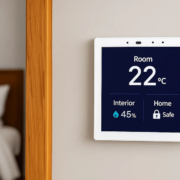
- Real-Time Data Display: IoT panels display real-time data from IoT sensors and devices. For example, in a smart home setup, an IoT panel might show the current temperature, humidity levels, or the status of connected appliances. In industrial settings, IoT panels can monitor production processes, machine health, and environmental conditions.
- Customizable Interfaces: Many IoT panels offer customizable user interfaces that can be tailored to the specific needs of the user or application. Whether it’s adjusting the layout, adding widgets, or integrating third-party applications, the flexibility of IoT panels makes them highly adaptable to various sectors and industries.
- Control and Automation: Beyond simple monitoring, IoT panels allow users to control connected devices. For example, a user can turn off lights, adjust heating or cooling settings, or even lock doors, all from a single interface. In industrial settings, operators can start or stop machines, adjust parameters, or trigger alerts based on data readings.
Applications of IoT Panels
IoT panels are used in a variety of sectors, including:
-
Smart Homes: In residential settings, IoT panels are used to control various smart home devices, such as lighting, security systems, HVAC, and entertainment systems. These panels allow homeowners to manage their devices from a single interface, either through a wall-mounted panel or a mobile app connected to the panel.
-
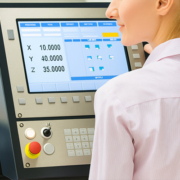
Industrial Automation: In industries like manufacturing, IoT panels are used to monitor and control production lines, machinery, and equipment. The panels can display real-time data about machine performance, sensor readings, and environmental conditions, helping operators make informed decisions and optimize operations.
For example:
- The YC-215EM All-in-One Industrial PC, a robust and durable IoT panel, is designed for industrial environments with a 21.5″ embedded touch screen, providing IP65 protection and shockproof features. It supports Intel Ivy Bridge i5-3317U processor, offering reliable performance for tasks like machine control, factory operations, and logistics.
- The YC-104EM, with its compact 10.4″ embedded touch screen, is specifically built for industrial automation and features IP65 protection, ensuring its reliability even in dusty, harsh conditions. With Intel Celeron J4125 processor options, this IoT panel supports Windows 10 OS and offers custom OS support based on user needs.
- Smart Cities: IoT panels are used in urban environments to manage everything from street lighting to traffic signals. They can display data on air quality, traffic congestion, and public transportation, allowing city planners to make data-driven decisions.
- Healthcare: IoT panels are increasingly used in healthcare settings to monitor patient vitals, control medical devices, and manage hospital systems. They provide healthcare professionals with the ability to track patients’ conditions in real-time and make immediate adjustments if necessary.
- Retail and Hospitality: In retail stores and hotels, IoT panels are used for customer-facing applications, such as digital signage, interactive kiosks, and room control systems. Customers can interact with these panels to get information, make purchases, or adjust room settings (e.g., lighting, temperature).
- Agriculture: IoT panels are also being used in agriculture for monitoring crop conditions, soil moisture, and other environmental factors. Farmers can track and control irrigation systems, sensors, and machinery to improve productivity and efficiency.
Benefits of IoT Panels
- Centralized Control: One of the primary advantages of IoT panels is that they offer a centralized control point for all IoT devices. This makes it easier to manage and monitor multiple systems, especially in complex environments such as factories or smart homes.
- Increased Efficiency: By displaying real-time data and providing control options, IoT panels help users make better, faster decisions. In industrial settings, for example, operators can adjust settings or troubleshoot problems before they cause downtime, which can significantly increase operational efficiency.
- Enhanced User Experience: IoT panels provide a user-friendly interface that simplifies the interaction with complex systems. The ability to control multiple devices from a single screen improves user experience, particularly in smart home or business environments.
- Remote Monitoring and Control: Many IoT panels can be connected to cloud platforms, allowing users to monitor and control their devices remotely. This is particularly useful in situations where constant presence is not possible or practical, such as in remote locations or in large industrial operations.
IoT panels are essential components of the modern Internet of Things ecosystem. They provide a seamless, intuitive interface for managing and interacting with a wide range of IoT devices across various industries. From smart homes to industrial automation, these panels enhance control, improve efficiency, and provide real-time insights that are critical for decision-making.