What is a SoM Board? A Guide to SoM Board Selection and Design with the P3576 Example
Understanding SoM (System on Module) Boards
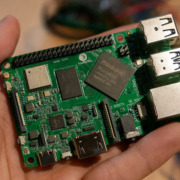
A System on Module (SoM) is a compact, integrated solution that combines the core components of a computer system into a single module. It typically includes the central processing unit (CPU), memory (RAM and storage), I/O interfaces, network connectivity, and power management—all integrated into a small form factor.
SoM boards are different from traditional single-board computers (SBCs) in that they are modular and smaller, designed for specific embedded applications. Instead of designing each component separately, developers can use a pre-designed SoM and focus on integrating it into their specific use case. This saves time, reduces complexity, and accelerates the development process.
Overview of the P3576 SoM Board
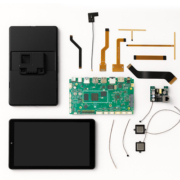
The P3576 Smart Mainboard is an advanced SoM solution featuring the RockChip RK3576 Octa-core AIOT Processor, offering impressive AI, AR, and VR processing capabilities. It’s ideal for applications in smart home devices, industrial automation, smart healthcare, commercial displays, and more. Below are some key features and applications of the P3576 SoM board:
Key Features:
Powerful Processor:
- RK3576 Processor: The 8-core processor with a configuration of 4×A72 + 4×A53 cores, clocked up to 2.2GHz, provides robust performance for demanding applications.
- Built-in GPU/NPU: It includes a 6 TOPS NPU, enabling powerful AI acceleration, making it perfect for edge computing and smart applications.
Ample Memory and Storage:
- Equipped with 4GB LPDDR4 RAM, expandable up to 8GB or 16GB for handling larger, more demanding tasks.
- Comes with 32GB eMMC storage, expandable up to 128GB or 256GB to accommodate large datasets and applications.
Multiple OS Support:
- The P3576 supports various operating systems, including Android 14, Ubuntu, Buildroot, and Debian, giving developers flexibility in choosing the OS that best fits their use case.
High-Speed Connectivity:
- Supports Wi-Fi 6 (2.4GHz/5GHz) for fast, reliable wireless communication.
- Features Gigabit Ethernet PHY for stable and high-speed wired networking, ideal for industrial and commercial applications.
Versatile I/O Interfaces:
- The P3576 offers a wide range of interfaces, including MIPI-DSI, I2C, UART, RS485, RS232, SPK, MIC, and KNX, enabling seamless integration with various peripherals and external devices.
Applications:
- Smart Home Devices: Perfect for home automation, IoT integration, and smart display solutions.
- Smart Healthcare: Used in healthcare systems to enable interconnectivity and smart care services.
- Industrial Automation: Ideal for factory automation, machine vision, and other industrial control scenarios.
- Commercial Displays: Well-suited for smart commercial signage and retail display applications.
- Automotive Electronics: Delivers the performance needed for automotive embedded systems and advanced control technologies.
Key Considerations for Selecting a SoM Board
When selecting a SoM for your project, it’s crucial to understand the key factors that influence the choice of the module. Here are the primary considerations:
1. Processor Performance
The processor is one of the most important factors. You need to choose a processor that can handle the performance requirements of your application. For example, the P3576 is powered by the RK3576 processor, which is perfect for AI, AR, and VR applications due to its high performance and AI acceleration capabilities.
2. Memory and Storage Requirements
The amount of memory and storage you choose will depend on the complexity of the application. The P3576 comes with 4GB of LPDDR4 RAM and 32GB eMMC storage, which is sufficient for most applications. However, if you require more storage or memory for more demanding tasks, it supports up to 16GB of RAM and 256GB of storage.
3. Connectivity Options
Depending on the nature of your application, you may need various connectivity options. For instance, the P3576 offers Wi-Fi 6 and Gigabit Ethernet, ensuring that your devices stay connected in high-demand environments, such as industrial and commercial setups.
4. Operating System Support
Ensure that the SoM supports the operating system that your application requires. The P3576 supports Android 14, Ubuntu, and other Linux-based systems, offering flexibility depending on whether you’re building a consumer device or a more industrial-oriented solution.
5. I/O and Expansion
SoMs come with a variety of input/output interfaces to meet your project’s needs. The P3576 offers a range of interfaces, including MIPI-DSI, RS485, and more, enabling the connection of sensors, displays, and other devices necessary for your application.
SoM Board Design and Customization
After selecting a suitable SoM like the P3576, you may need to design a custom carrier board that will host the SoM and provide the necessary connections for your specific use case.
1. Carrier Board Design
The carrier board connects the SoM to peripherals and exposes all of the needed I/O pins and power. A custom carrier board allows you to integrate the SoM seamlessly into your system, meeting the physical and functional requirements of your project.
2. Software Customization
Besides hardware customization, you may need to customize the software as well. This includes:
- Developing drivers for specific peripherals.
- Optimizing the bootloader and OS for stability and performance.
- Tailoring the software stack to suit your application (e.g., industrial automation, smart home, IoT).
Advantages of Using SoM Boards
- High Integration: SoM boards integrate several components into a single module, saving space and reducing the need for additional parts.
- Faster Time-to-Market: By using an off-the-shelf SoM, developers can save time on hardware development, speeding up the overall product development cycle.
- Power Efficiency: SoM solutions are typically optimized for low power consumption, making them ideal for battery-operated and energy-efficient applications.
- Customization and Flexibility: Many SoM solutions, like the P3576, offer high customization, allowing you to meet specific requirements for hardware and software.
Real-World Applications of SoM Boards
SoM boards are used in a variety of industries and applications, including:
- Smart Home Devices: Enabling IoT devices, smart thermostats, lighting systems, and more.
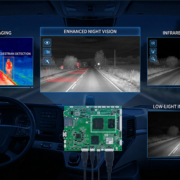
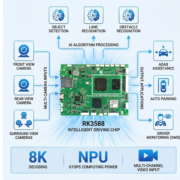
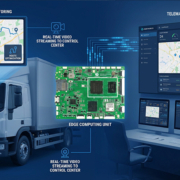
- Automotive Electronics: Supporting infotainment systems, telematics, and advanced driver assistance systems (ADAS).
- Industrial Automation: Used in robotics, machine vision, and factory automation.
- Healthcare: For smart medical devices like patient monitoring systems, diagnostic equipment, and wearable health tech.
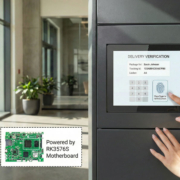
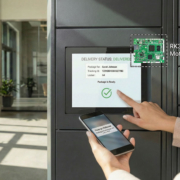
- Retail & Commercial Signage: Used for interactive kiosks, point-of-sale terminals, and digital signage.
The P3576 Smart Mainboard is a powerful, flexible SoM solution with the right combination of performance, connectivity, and customization options for a wide range of applications. Whether you’re developing smart home devices, industrial automation systems, or smart healthcare solutions, SoM boards like the P3576 provide a solid foundation for building efficient, high-performance embedded systems.
By using an SoM like the P3576, developers can dramatically reduce the time-to-market for their products, lower development costs, and leverage a powerful and reliable embedded solution.