VRV vs. VRF: What’s the Difference and How Do They Fit into HVAC?
In recent years, the integration of advanced climate control systems has transformed the way we manage heating, ventilation, and air conditioning (HVAC) in residential, commercial, and industrial spaces. Among the leading technologies in this sector are VRV (Variable Refrigerant Volume) and VRF (Variable Refrigerant Flow), which offer highly efficient and customizable solutions for maintaining optimal temperatures across multiple zones. Along with these, Portworld’s MESH 3-in-1 Thermostat is bringing even more innovation by combining air conditioning, fresh air, and underfloor heating controls into a single smart device. In this article, we will explore these technologies in detail and explain how they can enhance modern climate control solutions.
What Are VRV and VRF?
VRV and VRF are two terms used to describe similar types of advanced HVAC systems that allow for more efficient temperature regulation by adjusting the flow of refrigerant based on demand. Both systems provide flexibility, energy savings, and the ability to control multiple zones independently.
VRV (Variable Refrigerant Volume)
- Origin: Developed by Daikin, VRV systems use a variable refrigerant flow method to regulate the temperature in different zones of a building. By controlling the refrigerant flow to each indoor unit, VRV systems can provide cooling or heating only where and when needed.
- Applications: Ideal for commercial buildings, hotels, and large residential properties where different areas require different temperatures.
- Key Feature: The ability to connect multiple indoor units to a single outdoor unit, allowing for independent temperature control across different zones.
VRF (Variable Refrigerant Flow)
- Origin: VRF is essentially the same technology but is a term used by other manufacturers such as Mitsubishi Electric and Toshiba. VRF systems also utilize a variable refrigerant flow technique to control multiple indoor units, improving energy efficiency.
- Applications: Used in similar commercial and residential environments, with a focus on energy efficiency and flexibility.
- Key Feature: VRF systems can operate both cooling and heating simultaneously in different zones, a feature known as heat recovery.
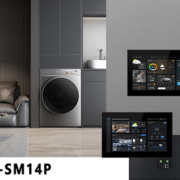
smart home control panel
How VRV and VRF Enhance HVAC Efficiency
Both VRV and VRF systems significantly improve energy efficiency compared to traditional HVAC systems. These systems operate on inverter-driven compressors and can adjust refrigerant flow to match the cooling or heating demand. This reduces energy consumption and ensures that only the necessary energy is used, leading to cost savings over time. Moreover, VRV/VRF systems provide better temperature control, allowing different rooms or areas to be set at unique temperatures, enhancing comfort for occupants.
Introduction to Portworld’s MESH 3-in-1 Thermostat
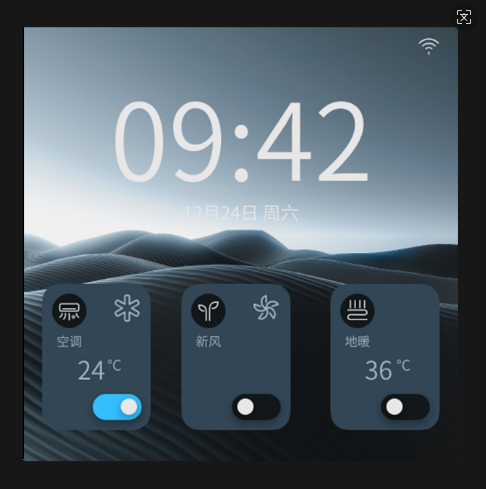
As smart homes and buildings become more prevalent, the need for integrated and user-friendly climate control systems is rising. Portworld’s MESH 3-in-1 Thermostat is a cutting-edge solution that combines the control of air conditioning, fresh air systems, and underfloor heating into a single device. This smart thermostat offers an intuitive interface and advanced features that allow users to efficiently manage their indoor environment. Let’s dive into the features and functionalities of the ZT16-MESH model.
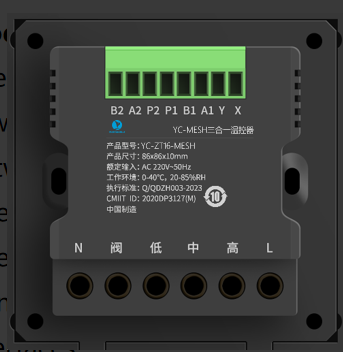
1. General Features of the ZT16-MESH Thermostat
- Device Configuration: The ZT16-MESH supports configuring various device types such as air conditioning, fresh air systems, and underfloor heating.
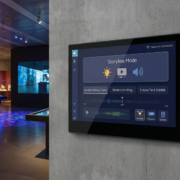
- Scenario Support: The thermostat allows you to define up to 8 custom scenarios. These scenarios can be set as automatic triggers in the app. A simple click on the screen or a swipe left/right on the main interface will trigger the pre-set event.
- App Customization: You can customize the app’s interface by setting scenario names and icons for easy identification and management.
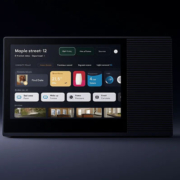
smart home control panel
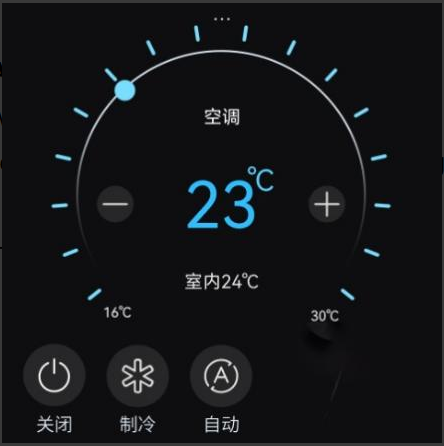
2. Air Conditioner Interface
- Power Control: Turn the air conditioning on or off with a simple button press.
- Modes: Includes Cooling, Heating, Dehumidifying, and Fan modes, providing flexibility to meet any environmental needs.
- Fan Speed: Adjustable fan speeds—Auto, Low, Medium, and High.
- Temperature Settings: Adjust the room temperature between 16℃ and 32℃ for optimal comfort.
3. Fresh Air Interface
-
Fan Control: The fresh air system can be switched on or off, with adjustable fan speeds set to Low, Medium, or High.
4. Underfloor Heating Interface
- Temperature Control: Set the underfloor heating temperature from 16℃ to 32℃.
- Anti-freeze Button: An automatic anti-freeze function activates when the room temperature drops below 5℃ and turns off when the temperature rises above 7℃, ensuring safe and energy-efficient operation.
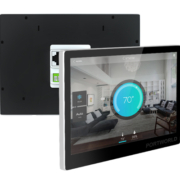
smart home control panel
5. Drop-down Interface
- Return to Homepage: Quickly return to the thermostat’s main page.
- Wireless Network Settings: Manage Wi-Fi connections with ease.
- PORTWORLD Configuration: Control network access or disconnection through the PORTWORLD app.
- User Manual: Access the product manual via QR code scanning for easy setup instructions.
- Settings and Updates: Easily restore factory settings, check for software updates, and adjust settings like button tones and screen brightness.
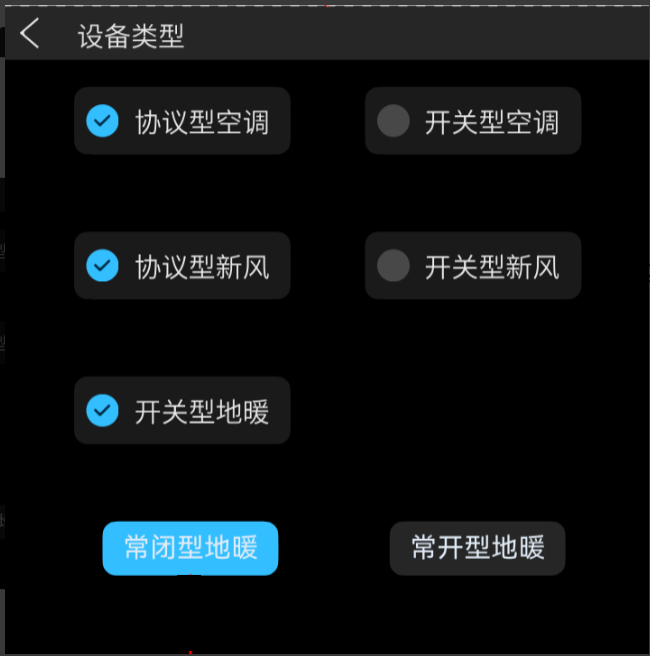
6. Equipment Type Interface
The ZT16-MESH thermostat supports various combination systems for flexible integration:
- Combination 1: Fluorine-cooled air conditioner + Protocol-compliant fresh air system + Underfloor heating.
- Combination 2: Fluorine-cooled air conditioner + On/Off fresh air system + Underfloor heating.
- Combination 3: Water-cooled air conditioner + Protocol-compliant fresh air system.
smart home control panel
Why Choose Portworld’s MESH 3-in-1 Thermostat?
Portworld’s MESH 3-in-1 Thermostat offers a streamlined, all-in-one solution for managing HVAC systems. The ease of integration with air conditioning, fresh air, and underfloor heating units into a single interface allows users to create more efficient and comfortable indoor environments. With advanced customization options, scenario-based automation, and a user-friendly app, it’s a perfect addition to any modern smart home or building automation system.
By combining the latest in VRV/VRF technologies with Portworld’s smart thermostat solutions, users can achieve energy savings, improved comfort, and seamless control over their indoor climate.
Whether you’re upgrading an existing HVAC system or designing a new smart building, VRV, VRF, and the Portworld MESH 3-in-1 Thermostat are leading solutions in climate control innovation. These technologies ensure efficient, customizable temperature management, providing unmatched comfort and energy savings in residential and commercial applications. As smart home solutions continue to evolve, integrating systems like these will become even more crucial in achieving ultimate comfort and sustainability.