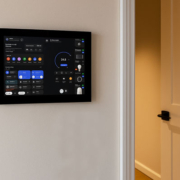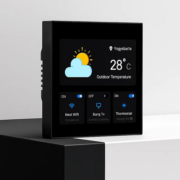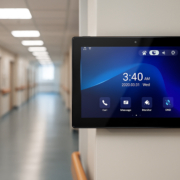
Linux vs Android Smart Control Panel: Which is Better for IoT?
The rise of the Internet of Things (IoT) has significantly altered how we interact with the world around us. From smart homes and office automation to industrial IoT applications, control panels serve as the central hub to manage and monitor all connected devices. Among the many options available for smart control panels, Linux and Android are two of the most widely used operating systems.
When deciding between Linux and Android for your IoT control panel, there are several factors to consider, including system flexibility, performance, compatibility, and ease of use. In this article, we’ll explore the advantages and limitations of both operating systems and determine which is better suited for IoT-based smart control panels.
What is Linux and Android in the Context of Smart Control Panels?
- Linux: Linux is an open-source, Unix-like operating system widely used in embedded systems, industrial devices, and IoT applications. It is known for its stability, customizability, and efficiency, making it ideal for resource-constrained environments where performance is key.
- Android: Android is a Linux-based, open-source operating system primarily designed for mobile devices, but it has also gained popularity in IoT applications, especially for smart control panels. It offers a rich user interface and easy-to-use environment for building apps, but can sometimes be more resource-intensive than Linux.
1. Performance and Efficiency
-
Linux: Linux is known for its lightweight nature and is often the preferred choice for IoT devices requiring low power consumption. Linux-based control panels are typically faster and more responsive when managing multiple devices. Its minimal footprint and efficient use of resources allow for quicker boot times and enhanced overall performance. Moreover, Linux is ideal for systems where real-time processing is important, such as industrial control and automation.
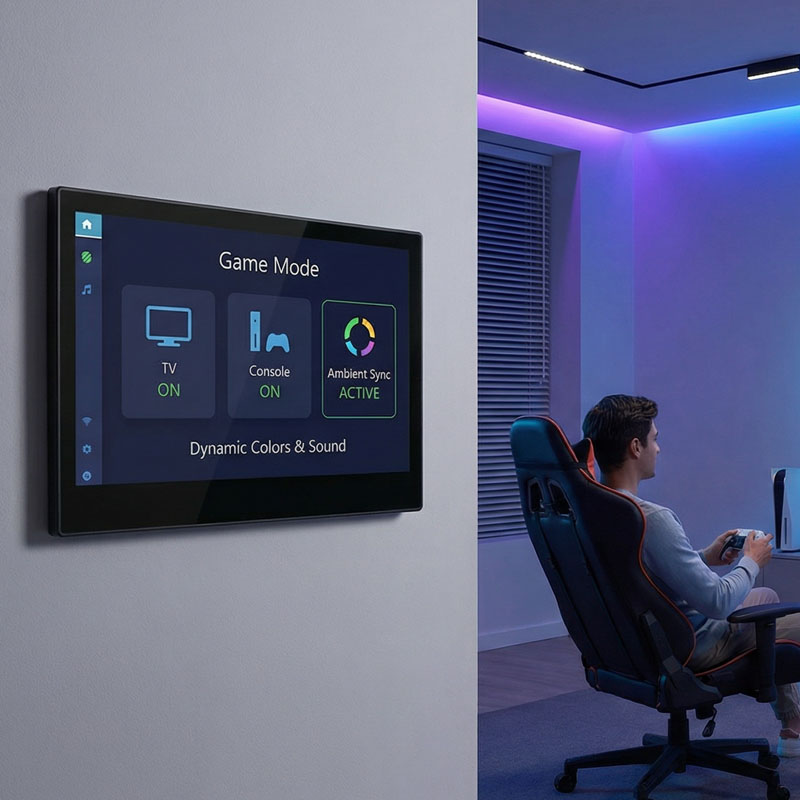
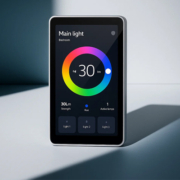
YC-SM116P 11.6 inch Smart Home Automation Touch Control
-
Benefits:
- Lower power consumption, ideal for battery-operated devices.
- Faster performance in resource-constrained environments.
- Better support for real-time applications in IoT systems.
-
Android: While Android is generally more user-friendly and provides a robust environment for developing complex applications, it may be more resource-heavy compared to Linux. Android requires more processing power and memory, which can be a limitation for some IoT applications. However, with the rapid growth in processor capabilities and RAM sizes, Android is increasingly being used in scenarios that demand rich interfaces and interactivity.
Benefits:
- A rich graphical user interface with native support for touch screens and multi-touch.
- Access to a wide range of mobile apps and third-party solutions, which can be advantageous for smart home and office automation.
- Ideal for consumer-focused applications, such as home automation control panels that require more complex UI elements.
2. Flexibility and Customization
-
Linux: Linux is often considered the more flexible option for IoT. It offers developers the ability to customize the system and tailor it to specific IoT needs. With the ability to modify the kernel and build lightweight, purpose-built systems, Linux offers unmatched flexibility for creating optimized control panels for industrial IoT, smart home automation, and more.
Benefits:
- Customizability: Developers have complete control over system resources and can optimize it for specific use cases.
- Open-source nature: Full transparency, which is essential for security, debugging, and long-term support.
- Supports a broad range of hardware platforms, making it ideal for custom-built devices.
-
Android: Android is also customizable, but not as much as Linux in terms of low-level system adjustments. It’s mainly focused on providing a rich user interface and is better suited for IoT applications requiring heavy visual interactivity. Android also supports a variety of third-party applications and frameworks, making it a go-to choice for smart home systems where ease of use and aesthetics are important.
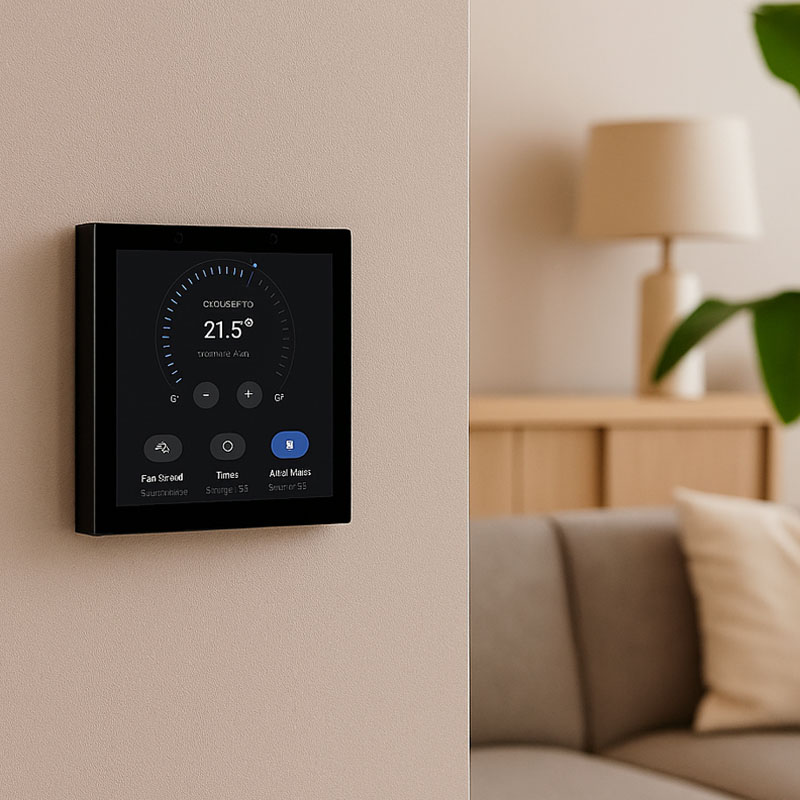
KNX smart control panel
-
Benefits:
- Easy customization for apps and UI elements.
- Rich application ecosystem, allowing integration with existing Android applications and services.
- Ideal for consumer-facing IoT systems requiring engaging interfaces.
3. Security and Stability
-
Linux: Known for its robustness and security features, Linux is widely used in mission-critical applications. It offers a high level of control over system security settings, which is important in IoT, where devices are often exposed to security threats. The open-source nature of Linux means that security vulnerabilities are quickly discovered and patched by the global developer community.
Benefits:
- Strong security model with tools for firewalls, encryption, and user authentication.
- Regular software updates and patches, especially for critical systems.
- Greater stability for long-running devices without the need for frequent reboots.
-
Android: While Android is generally secure, its primary focus is on consumer devices, meaning it may not be as secure as Linux for certain types of IoT applications, especially in industrial or enterprise settings. The Android ecosystem is more prone to malware and unauthorized apps, though Android regularly releases security patches for its devices.
Benefits:
- Frequent security patches and updates via the Google Play Store.
- Built-in Google security features like Google Play Protect, which help secure devices.
- User authentication and biometrics support (useful for smart home control panels).
4. Connectivity and Ecosystem Support
-
Linux: Linux is widely adopted in enterprise IoT applications due to its broad ecosystem support. It supports almost all IoT communication protocols, such as Wi-Fi, Zigbee, Bluetooth, Z-Wave, and more. Moreover, it provides great integration capabilities with cloud services and third-party platforms, ensuring smooth integration in larger IoT ecosystems.
Benefits:
- Extensive support for IoT communication protocols.
- Robust support for cloud platforms and IoT gateways.
- Ideal for large-scale enterprise IoT systems.
-
Android: Android has a large and growing ecosystem, especially for smart home applications. Its support for Wi-Fi, Bluetooth, and Zigbee makes it a good fit for consumer IoT devices, particularly smart control panels and hubs. Android also integrates seamlessly with Google Home and Amazon Alexa, providing a user-friendly solution for consumer-focused automation.
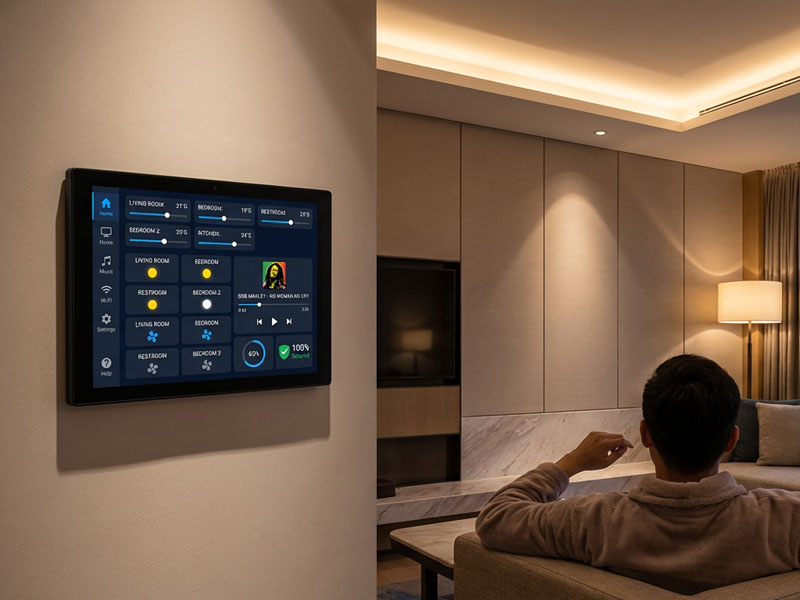
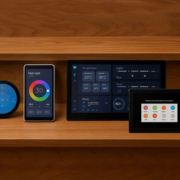
smart panel
-
Benefits:
- Strong support for consumer IoT ecosystems like Google Home and Amazon Alexa.
- Built-in connectivity for common protocols like Wi-Fi and Bluetooth.
- Large ecosystem of third-party apps for ease of integration.
5. Cost and Resource Consumption
-
Linux: Generally, Linux-based smart control panels are more cost-effective to develop, especially for resource-constrained IoT devices. Linux consumes fewer system resources, which can help keep the overall hardware and power costs down. It’s also ideal for low-power devices that need to run continuously without draining resources.
Benefits:
- Cost-effective development and deployment for IoT devices.
- Lower resource consumption leading to extended device lifespan and energy savings.
- Flexible hardware options for custom-built IoT solutions.
-
Android: Android requires more system resources, meaning it is typically more expensive to implement and operate. While Android provides great user interfaces and integration with third-party apps, it can be a costly option for resource-constrained IoT systems.
Benefits:
- Great for user-facing applications, such as smart control panels and hubs.
- Rich features and app availability, but may come at a higher cost.
Which is Better for IoT?
When deciding between Linux and Android for an IoT control panel, the best choice depends on your specific needs:
- Choose Linux if you need a lightweight, highly customizable, and resource-efficient solution for industrial or enterprise IoT applications. It’s perfect for scalable, secure, and reliable systems that prioritize performance and low power consumption.
- Choose Android if you’re developing consumer-facing smart devices that require a rich user interface, interactive features, and seamless integration with mobile apps. Android excels in user experience and works best for home automation hubs, smart control panels, and other applications where ease of use and aesthetics are important.