Linux-based customizable smart touch control panel for developers
In the world of embedded systems and industrial automation, the demand for customizable and flexible control panels is growing rapidly. Developers are seeking solutions that not only allow them to control various devices but also integrate seamlessly into their existing systems while offering custom branding, user interfaces, and functionality tailored to their specific needs. The Linux-based smart touch control panel is fast becoming the ideal solution, providing developers with the freedom to design and create highly personalized interfaces and integrate advanced features.
In this article, we’ll explore how Linux-based smart touch control panels can empower developers, the key benefits they offer, and how they can be tailored to meet the requirements of any project, from smart home automation to industrial IoT and beyond.
What is a Linux-based Smart Touch Control Panel?
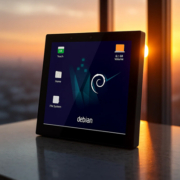
A Linux-based smart touch control panel is an embedded control system powered by a Linux operating system, featuring a touchscreen interface that provides developers with a platform to create customized, intuitive user interfaces for controlling devices, monitoring systems, and interacting with various embedded applications. The flexibility of the Linux OS, combined with the ease of touchscreen interaction, makes these panels highly effective for a wide range of applications.
These panels are typically equipped with powerful processors, high-resolution touchscreens, and a suite of connectivity options (such as Ethernet, Wi-Fi, and Bluetooth). The open-source nature of Linux gives developers the freedom to modify and adapt the software to suit their needs, while also enabling access to a vast repository of libraries, tools, and support communities.
Key Features of Linux-based Customizable Smart Touch Control Panels
1. Customizable Software and User Interface
One of the biggest advantages of using a Linux-based smart touch control panel is the ability to customize both the software and the user interface (UI). Developers can create tailor-made solutions to meet specific application requirements, whether it’s for smart homes, industrial automation, or medical devices. Customizations include:
- Custom themes, icons, and color schemes to match branding or design guidelines.
- Personalized layouts for better user experience and task prioritization.
- Custom control functions for adjusting connected devices, such as lights, temperature, or machines.
- Integration with third-party software or legacy systems, ensuring flexibility and scalability.
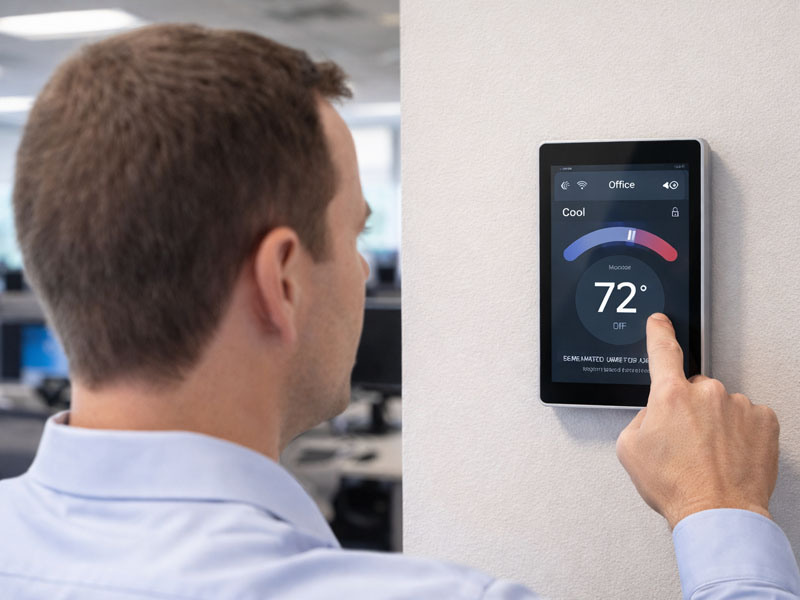
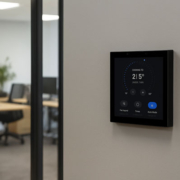
smart home control panelo
2. Open-Source Linux OS for Flexibility
The Linux operating system is open-source, meaning developers have access to the entire codebase and can make modifications to suit specific needs. Whether it’s integrating custom hardware or implementing specific protocols like Modbus, Zigbee, or RS485, Linux provides the freedom to tailor the operating system to optimize performance and functionality. Furthermore, Linux supports multiple programming languages, including Python, C/C++, and Java, giving developers a wide range of options to write custom applications.
3. Wide Range of Connectivity Options
Linux-based smart control panels offer a multitude of connectivity options, allowing seamless integration with other devices, sensors, and systems:
- Ethernet (RJ45) and Wi-Fi for local and remote communication.
- Bluetooth for wireless control of nearby devices.
- RS485, Modbus, Zigbee, and other communication protocols for industrial and IoT applications.
- USB and HDMI for external devices, making these panels compatible with a wide range of peripherals.
This versatility makes these panels ideal for everything from home automation and building control systems to industrial machine control and healthcare devices.
4. High-Resolution Touchscreen
The touchscreen is the primary interface for interaction with the smart control panel. These panels typically feature high-resolution capacitive touchscreens with multi-touch functionality, providing a smooth and intuitive user experience. The screens offer excellent clarity, with vibrant colors and precise touch detection, making them perfect for real-time control and monitoring of systems. Additionally, the multi-touch support allows for gestures such as pinch-to-zoom, swipe, and tap, making it easier for users to interact with complex control systems.
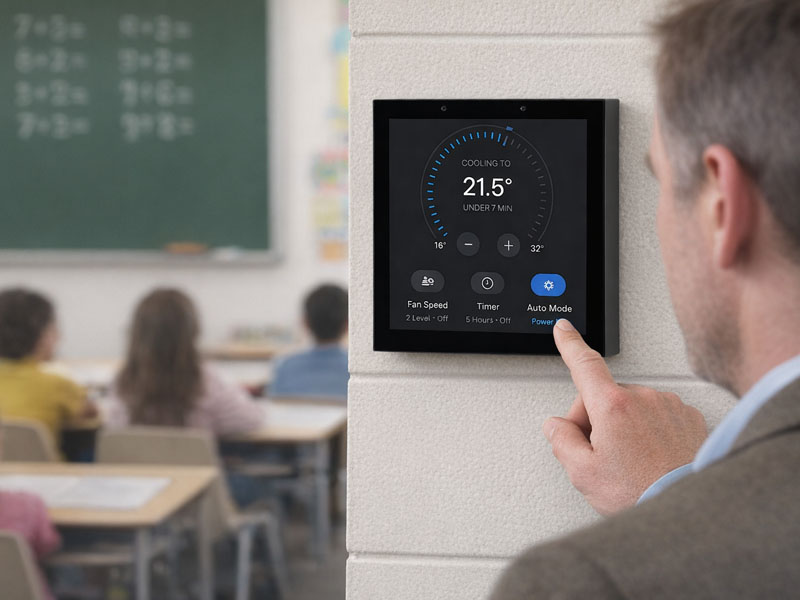
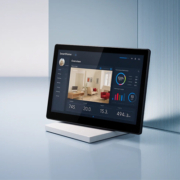
Smart Home Touch Control Panel0-1
5. Integration with Embedded and IoT Systems
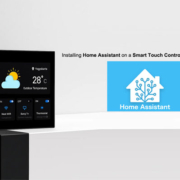
Linux-based smart touch control panels are designed to integrate seamlessly with various embedded and IoT systems. The control panel can serve as a central hub for managing connected devices, sensors, and other components in an industrial environment or home automation setup. With modular software components, these panels can integrate with:
- Smart home systems: controlling lights, temperature, locks, and more.
- Industrial IoT systems: managing factory equipment, machinery, and sensors.
- Medical systems: controlling devices in healthcare settings and assisting with patient management.
The flexibility of Linux allows the panel to communicate and interact with a wide variety of devices and platforms, making it an excellent choice for a range of applications.
6. Enhanced Security and Stability
Security is a top priority for any developer working with embedded systems. Linux provides robust security features, including user authentication, data encryption, and network security protocols. Additionally, Linux is known for its stability, making it ideal for long-term embedded applications where system uptime is critical. The open-source nature of Linux also allows for transparency and custom security measures, which can be tailored to meet specific project requirements.
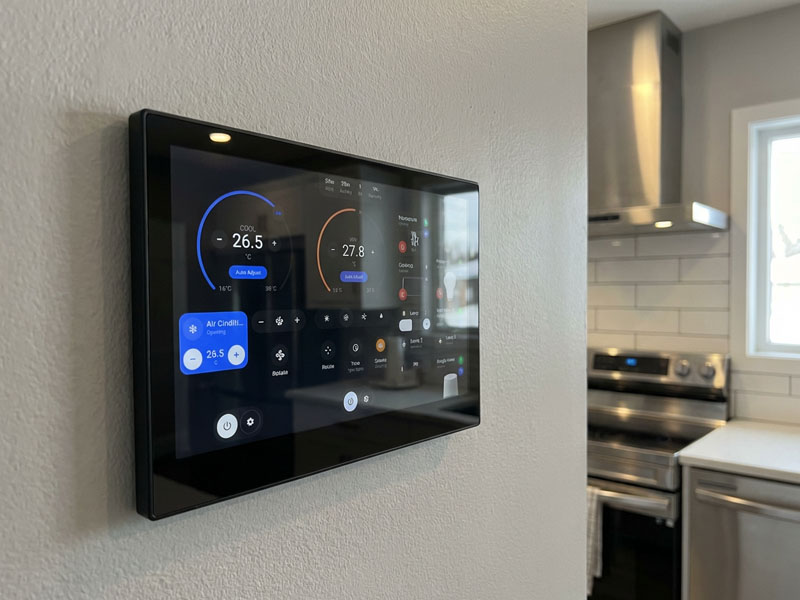
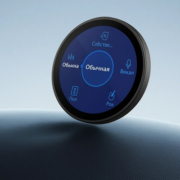
smart touch control panel8
Benefits of Linux-based Customizable Smart Touch Control Panels for Developers
- Freedom and Flexibility
- The ability to customize both the hardware and software is a major benefit of using a Linux-based control panel. Developers can integrate the panel into existing systems, tailor the software to suit specific requirements, and optimize performance for their particular use case. Whether you’re designing a control panel for smart home automation, industrial monitoring, or medical devices, the flexibility of the Linux environment makes it a perfect choice for developers.
- 2. Cost-Effectiveness
- Since Linux is open-source, there are no software licensing fees, which can significantly reduce the cost of development. Additionally, developers can leverage the extensive open-source libraries and tools available, cutting down on development time and costs.
- 3. Scalability and Longevity
- Linux-based smart control panels offer scalability and long-term support. As your project grows and evolves, the panel can be easily upgraded with new features, protocols, or interfaces. Moreover, Linux is known for its robust ecosystem and large development community, ensuring that developers have access to continuous improvements, updates, and support.
- 4. Real-Time Performance
- Linux offers real-time capabilities with appropriate configurations, making it ideal for applications that require real-time processing, such as industrial automation or healthcare systems. Whether controlling machines on the factory floor or monitoring medical devices, the real-time responsiveness of a Linux-based control panel ensures that critical operations run smoothly and reliably.
- 5. Seamless Integration with IoT and Smart Devices
- The IoT compatibility of Linux-based smart control panels makes it easy to integrate and manage a variety of devices. Whether you’re working with smart sensors, actuators, or cloud-connected platforms, the panel provides a centralized point for controlling and monitoring IoT-enabled devices.
Applications of Linux-based Smart Touch Control Panels
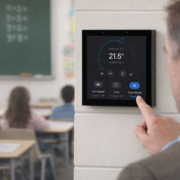
- Smart Home Automation: Manage devices such as lights, thermostats, locks, and home security systems.
- Industrial Automation: Control factory machines, monitor sensor data, and automate processes.
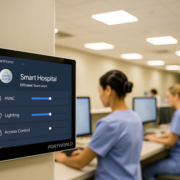
- Healthcare: Monitor medical equipment, patient data, and improve healthcare workflows.
- Building Automation: Control heating, ventilation, air conditioning (HVAC), lighting, and energy management systems.
- Smart Retail: Manage point-of-sale systems, inventory tracking, and digital signage.
Portworld’s Linux-based Smart Touch Control Panels
At Portworld, we offer a range of Linux-based smart touch control panels that are customizable for developers. Our panels come with powerful hardware, a high-resolution touchscreen, and comprehensive connectivity options, all designed to integrate with your embedded systems seamlessly. Whether you need a custom UI, specific communication protocol, or specialized functionality, Portworld’s panels are adaptable to meet your development needs.
Key features of Portworld’s Linux-based control panels:
- Open-source Linux OS for maximum flexibility.
- Multi-touch capacitive touchscreens for smooth interaction.
- Customizable software and user interface to suit project requirements.
- Multiple I/O options, including Ethernet, Wi-Fi, Bluetooth, RS485, and Modbus.
- Energy-efficient design with PoE support.
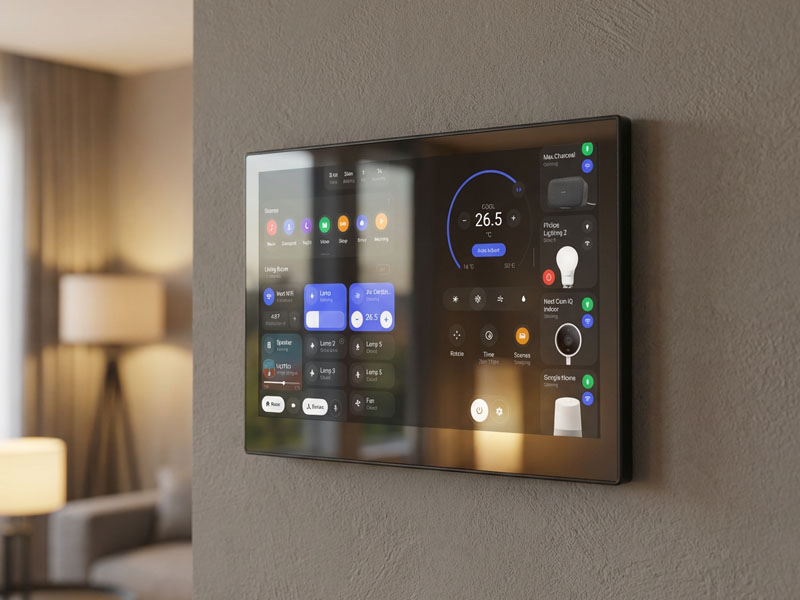
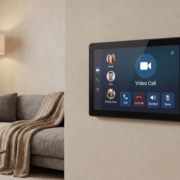
smart home control panel-2
Empowering Developers with Customizable Control Solutions
A Linux-based customizable smart touch control panel is the perfect solution for developers seeking flexibility, scalability, and powerful functionality in their embedded system projects. With its open-source foundation, intuitive touchscreen interface, and seamless integration capabilities, this control panel empowers developers to create tailor-made solutions for a wide range of applications, from smart homes to industrial automation.
Portworld is dedicated to providing advanced, customizable control panels that enable developers to bring their visions to life with ease. Contact us today to learn more about our Linux-based smart control panels and how they can enhance your next embedded system project.