Interactive touchscreen digital signage display for self-service
In the modern world of business, customer expectations are evolving rapidly. More and more customers desire faster, more convenient service with minimal interaction, which is driving businesses to adopt interactive touchscreen digital signage displays for self-service. Whether it’s for retail, hospitality, transportation, healthcare, or corporate environments, these self-service kiosks are revolutionizing the way businesses interact with customers.
Interactive touchscreen digital signage displays for self-service provide a versatile, engaging, and efficient platform for delivering information and services to customers. They eliminate the need for traditional staff-assisted services, streamline operations, and improve the overall customer experience. These displays offer a range of functionalities, from providing product information to facilitating transactions, all while allowing customers to interact with the system seamlessly.
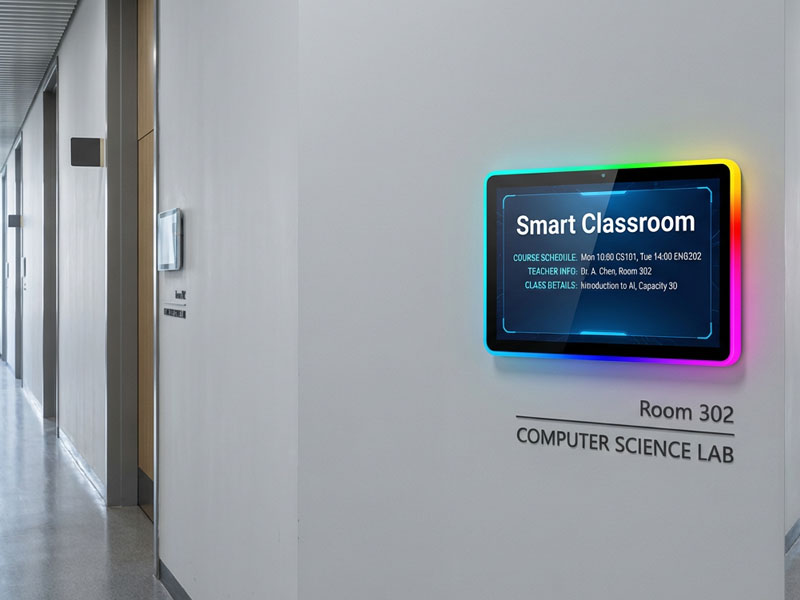
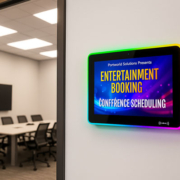
Meeting Room Display Panels
Key Features of Interactive Touchscreen Digital Signage for Self-Service
- Engaging User Interface
- The most significant advantage of interactive digital signage displays is their engaging user interface. With responsive touchscreens, users can interact with the display just like they would with a smartphone or tablet. These displays feature easy-to-use navigation, intuitive layouts, and clear visual cues that guide the customer to the information they need.
- Whether customers are selecting menu items, checking out products, or completing forms, the interface is designed to be simple, user-friendly, and accessible. This increases customer satisfaction as it empowers them to find what they need quickly and without assistance.
- Flexible Content Delivery
- Interactive touchscreen displays provide flexibility in the type of content that can be displayed. From digital menus and wayfinding maps to product catalogs and transactional forms, the content can be easily customized to fit the needs of any business. For example, in a retail environment, a touchscreen display can show a range of products, provide detailed specifications, display promotions, and even help customers make purchases directly from the kiosk.
- Businesses can also schedule content updates or promotions in real-time, ensuring that the information displayed is always fresh and relevant.
- Efficient Self-Service Transactions
- One of the most important benefits of interactive digital signage for self-service is the ability to facilitate transactions. Customers can browse a catalog of products, select items, pay, and receive a receipt all on their own, making the entire process faster and more efficient. In restaurants, this can mean a customer placing an order via an interactive kiosk, while in retail, customers can check out their shopping cart independently.
- POS (Point of Sale) integration ensures that transactions are securely processed, and real-time stock information can be updated, preventing issues like selling out-of-stock items. This is particularly beneficial in high-traffic environments where quick service is crucial.
- Multi-Language Support
- Interactive touchscreen displays can be easily configured to offer multi-language support, catering to a diverse customer base. In regions or businesses where multiple languages are spoken, this feature enhances accessibility and ensures that all customers can interact with the self-service kiosk in their preferred language.
- For international customers or tourists, having the ability to use their native language on a digital signage display creates a seamless experience, increasing their satisfaction and likelihood of completing transactions.
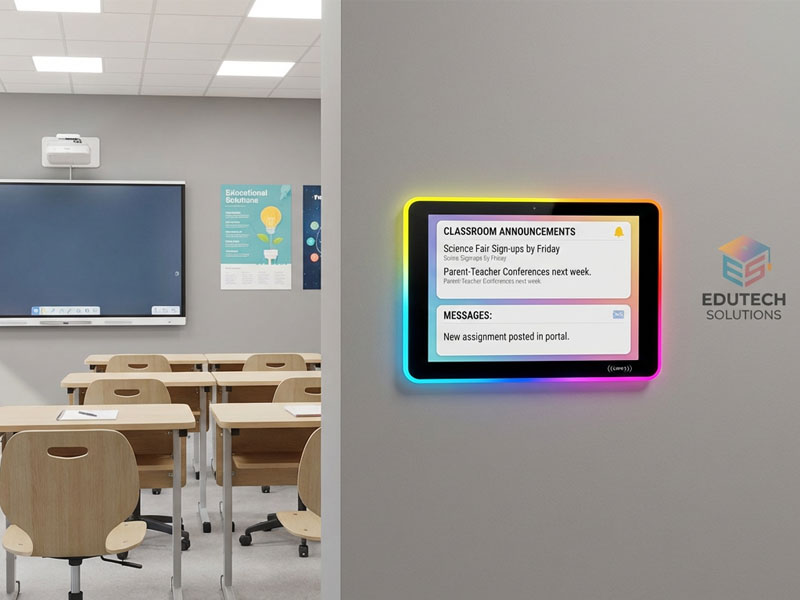
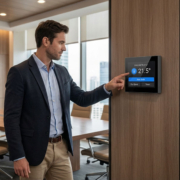
smart home control panel
- Customizable and Scalable
- Interactive digital signage displays are highly customizable to fit the specific needs of each business. From branding and design elements to content and functionality, businesses can tailor the display to reflect their unique style and objectives.
- Moreover, these systems are easily scalable. Whether you’re deploying a single kiosk in a small store or outfitting multiple kiosks across multiple locations, the system can be expanded to meet your growing needs. Centralized content management allows businesses to update and control the information displayed across all kiosks simultaneously, streamlining the process and ensuring consistent messaging across locations.
- Real-Time Analytics
- Another powerful feature of interactive digital signage is its ability to collect valuable data about customer interactions. This data can be used for analytics and performance tracking, giving businesses insights into how customers are using the system. For example, businesses can analyze which products are being viewed most often, the length of time spent on certain screens, or whether a customer proceeds to checkout.
- These insights allow businesses to adjust content, promotions, and marketing strategies based on real-time data, ensuring that customer needs are met and business objectives are achieved.
- Reduced Labor Costs and Increased Efficiency
- By enabling customers to complete transactions and find information on their own, interactive self-service kiosks reduce the need for staff to manage every customer interaction. This allows employees to focus on more value-added tasks, such as customer service or maintaining store operations, thereby reducing labor costs and improving overall efficiency.
- In high-traffic environments, such as airports, hospitals, or malls, self-service kiosks can handle a large volume of customer requests without the need for additional human resources, allowing businesses to operate more smoothly.
- Enhanced Customer Experience
- Interactive digital signage displays enhance the overall customer experience by giving customers control over their interactions. In environments like retail, customers can explore products, view details, and compare options at their own pace. In restaurants, diners can customize their orders, explore the menu, and receive immediate feedback on availability or pricing.
- The ability to customize the experience makes customers feel empowered and in control, leading to higher satisfaction and better brand perception.
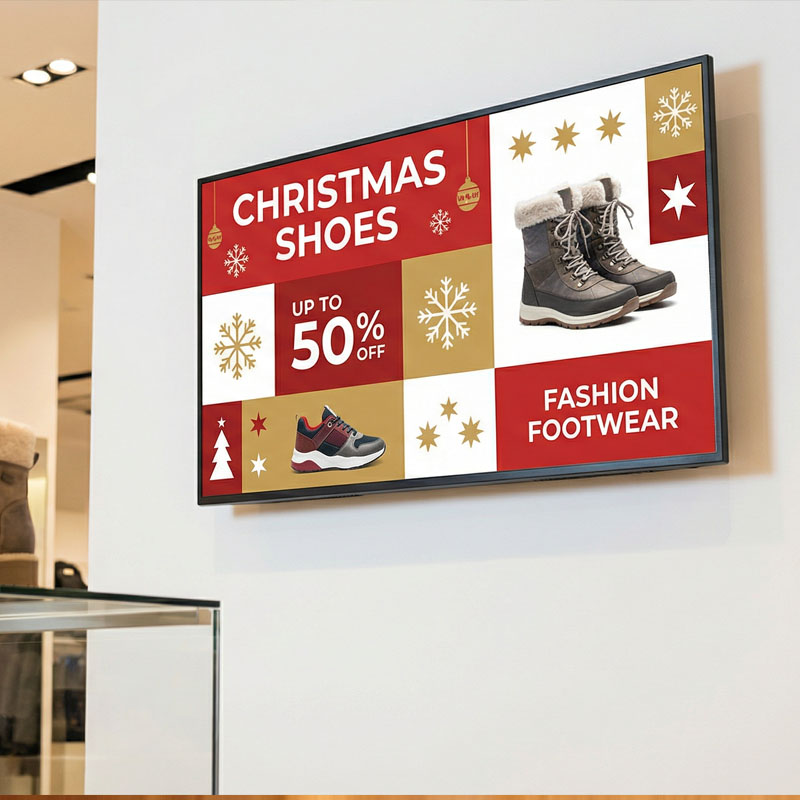
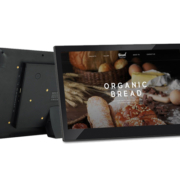
YC-3201T 32” Touch Screen Digital Signage Display
Ideal Applications for Interactive Touchscreen Digital Signage for Self-Service
- Retail Stores
- In retail environments, interactive digital signage can be used as a self-service kiosk where customers can browse products, check availability, place orders, and even pay for items without waiting in line. Interactive displays can also provide helpful store navigation, highlight discounts, and promote sales in real time.
- Restaurants and Quick-Service
- Interactive menu boards can be used in restaurants to allow customers to place their orders directly through a touchscreen, customizing their meals and making payments instantly. This speeds up service and reduces the need for cashiers or servers to take orders, especially in busy or high-volume areas.
- Hospitals and Healthcare
- In hospitals and healthcare settings, interactive digital signage can be used for patient check-in kiosks, wayfinding, and appointment scheduling. Patients can interact with the system to check in, view wait times, and access medical information. This reduces wait times, enhances patient experience, and improves operational efficiency.
- Transportation Hubs
- At airports, bus stations, and train terminals, interactive digital signage can serve as self-check-in kiosks, allowing travelers to check-in, print boarding passes, and access real-time flight information. These systems reduce queues and enhance customer convenience.
- Corporate Offices and Public Spaces
- In offices or public spaces, interactive signage can be used to provide wayfinding services, allow employees to book meeting rooms, or access corporate announcements and schedules. These systems offer real-time, interactive communication and self-service options to employees and visitors alike.
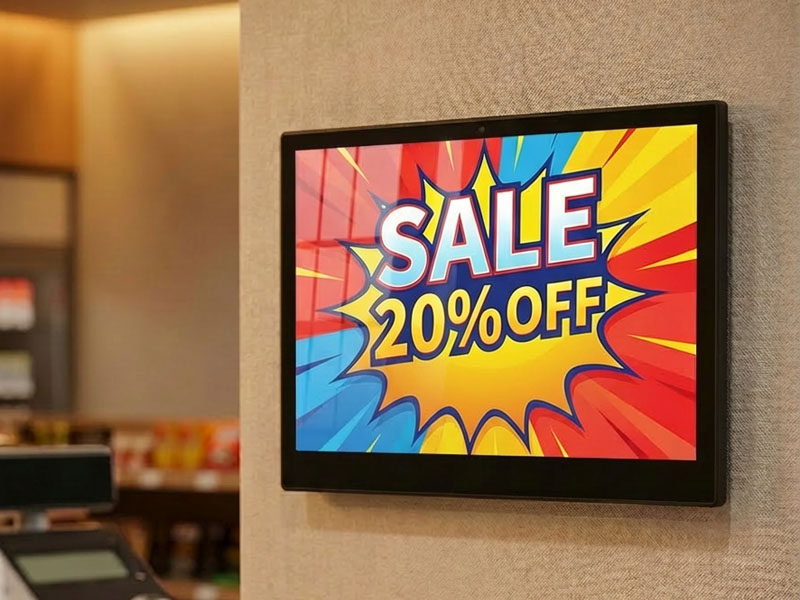
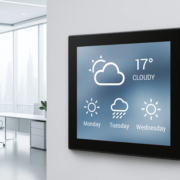
Wall-Mounted Touch Screen-1
Portworld’s Interactive Touchscreen Solutions for Self-Service
Portworld offers a variety of interactive digital signage solutions that are perfect for self-service applications. Their products, like the YC-102P 10.1″ Wall Mounted Android POE Tablet and the YC-215OB 21.5 inch Optical Bonding Touch Screen Android Tablet, are designed to provide high-quality, interactive experiences across multiple industries.
These products are PoE-powered, energy-efficient, and feature high-definition displays, making them ideal for self-service kiosks in retail, hospitality, healthcare, and more. With customizable content and easy integration with backend systems, Portworld’s solutions can be tailored to meet the unique needs of each business.
Interactive touchscreen digital signage displays for self-service are changing the way businesses engage with customers. By offering an intuitive, efficient, and dynamic platform for customer interaction, these displays enhance the customer experience while optimizing business operations. Whether you’re in retail, hospitality, healthcare, or transportation, incorporating interactive kiosks into your business can streamline processes, reduce costs, and increase customer satisfaction.